

If you ever analyzed building plans, construction drawings, or engineering reports, you may be familiar with what MEP stands for. Starting construction or building design careers, many people wonder what the abbreviation of MEP, which is used in the engineering industry, means.
The grasp of this idea is critical for any individual who pursues information on how modern buildings work. The responsibility for comfort and safety and efficiency in buildings lies with MEP systems in America.
This article offers a thorough understanding of what MEP stands for in the field of engineering, its significance, and its role in facilitating properly designed and code-compliant buildings.
What Does MEP Stand for in Engineering?
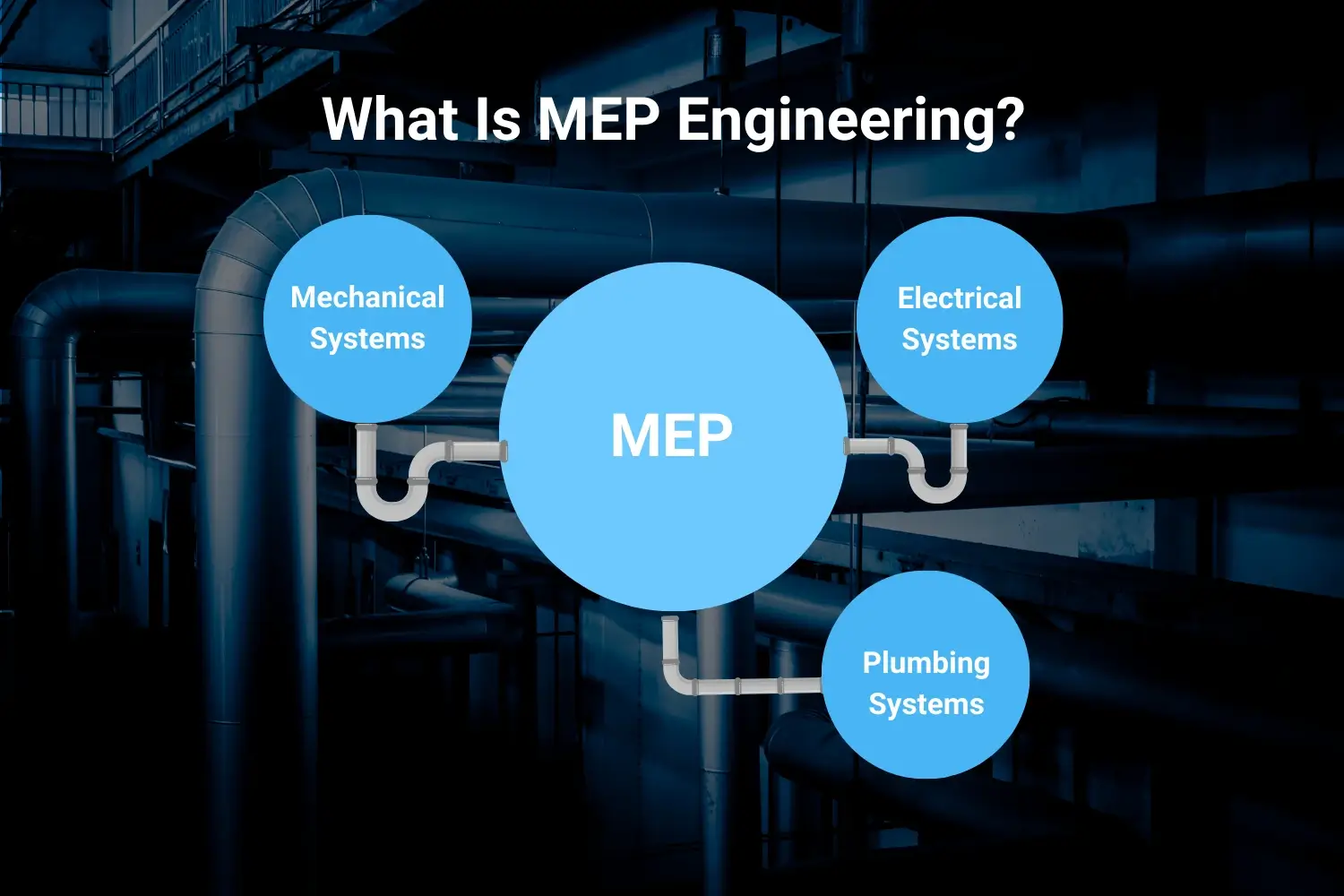
MEP stands for Mechanical, Electrical, and Plumbing in engineering. These three disciplines work together to design, install, and maintain the systems that make buildings functional and safe for occupants.

While architectural and structural elements shape how a building looks and stands, MEP systems determine how it operates on a daily basis. They control air quality, lighting, water supply, drainage, power distribution, and energy performance.
Each discipline plays a distinct role, but they must be carefully coordinated to avoid conflicts and ensure efficient operation.
Mechanical Engineering in MEP
Mechanical engineering in MEP focuses on systems that control temperature, air quality, and comfort within a building.
These systems are essential for occupant health, productivity, and regulatory compliance.
Key Mechanical Systems in Buildings
Mechanical systems typically include:
- Heating systems such as boilers and furnaces
- Cooling systems, including chillers and air conditioners
- Ventilation systems for fresh air circulation
- Exhaust systems for removing heat and contaminants
Proper mechanical design helps regulate indoor environments while minimizing energy consumption.
Why Mechanical Systems Matter
Mechanical systems directly affect indoor comfort and air quality. Poorly designed systems can lead to uneven temperatures, excessive humidity, or inadequate ventilation.
In engineering practice, mechanical design must also comply with energy codes and indoor air quality standards commonly enforced in the USA.
Electrical Engineering in MEP Explained
Electrical engineering in MEP addresses how power is generated, distributed, and safely used throughout a building.
It ensures that electrical systems meet both functional needs and safety regulations.
Core Electrical Components
Electrical systems generally include:
- Power distribution panels and transformers
- Lighting systems and controls
- Emergency and backup power systems
- Fire alarm and life safety systems
- Low-voltage systems, such as data and communications
These components work together to deliver reliable electricity to all building functions.
Importance of Electrical Engineering
Electrical engineering protects occupants from hazards such as overloads, short circuits, and power failures. It also supports modern building requirements like energy-efficient lighting and smart building technologies.
Accurate electrical coordination is especially important in large commercial and institutional buildings.
Plumbing Engineering Within MEP Systems
Plumbing engineering focuses on the movement of water, gas, and waste within a building.
It ensures sanitary conditions, reliable water supply, and proper drainage.
Typical Plumbing Systems
Plumbing engineering covers systems such as:
- Domestic water supply
- Sanitary and storm drainage
- Natural gas piping
- Hot water generation and circulation
- Specialty systems for medical or industrial use
Each system must meet local and national plumbing codes.
Why Plumbing Design Is Critical
Well-designed plumbing systems protect public health by preventing contamination and ensuring proper waste disposal. Poor plumbing design can lead to leaks, blockages, or water pressure issues.
In engineering projects, plumbing must be carefully coordinated with mechanical and structural elements to avoid conflicts.
Why MEP Engineering Is Essential in Building Design
Understanding what does MEP stand for in engineering also requires recognizing its role in the overall building lifecycle.
MEP systems influence construction costs, operating expenses, and long-term performance.
Supporting Building Functionality
MEP engineering ensures that buildings:
- Maintain comfortable indoor environments
- Provide reliable power and lighting
- Deliver clean water and proper sanitation
- Meet safety and life protection requirements
Without effective MEP systems, even well-designed structures cannot function properly.
Impact on Energy Efficiency
MEP systems are major contributors to energy use. Thoughtful engineering design helps reduce energy consumption through efficient equipment selection and system integration.
Energy-efficient MEP design is increasingly important due to rising utility costs and environmental concerns.
How MEP Disciplines Work Together
Although mechanical, electrical, and plumbing systems are separate disciplines, they must be designed as an integrated whole.
Coordination is a critical aspect of MEP engineering.
System Coordination in Practice
MEP coordination ensures that:
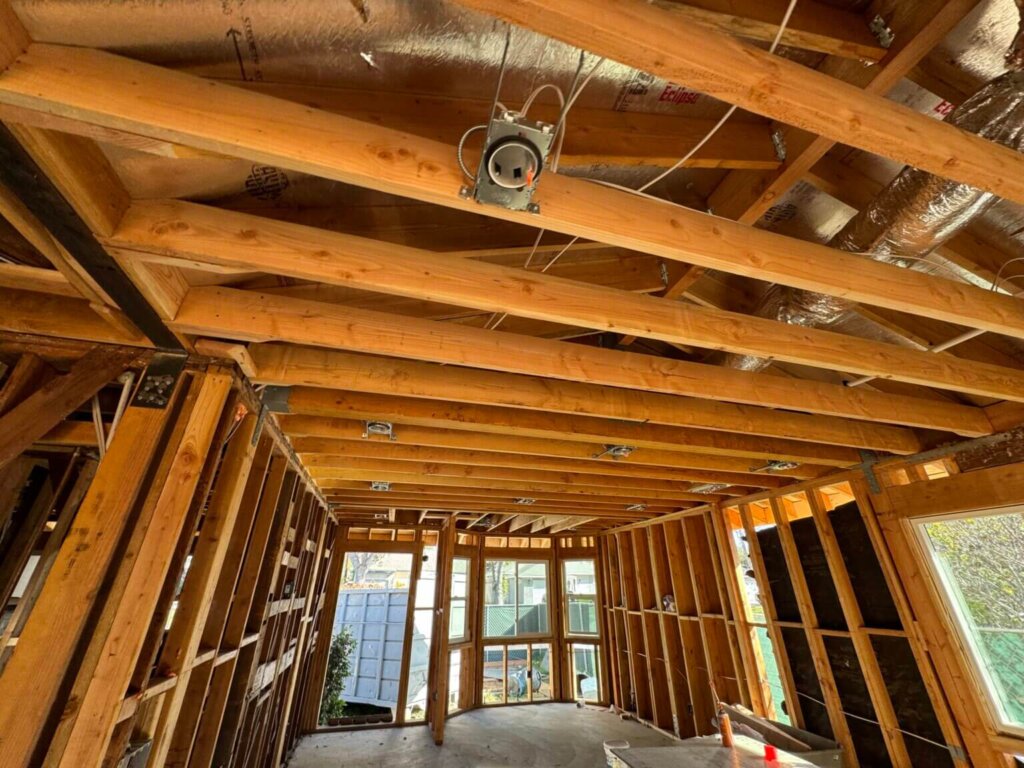
- Ductwork does not interfere with electrical conduits
- Plumbing lines fit within structural constraints
- Equipment rooms allow safe access and maintenance
- Systems operate without conflicts or inefficiencies
Poor coordination can result in costly redesigns or construction delays.
Role of Engineering Documentation
Detailed drawings and specifications guide contractors during installation. Accurate documentation reduces errors and helps ensure compliance with building codes.
Coordination drawings are often reviewed multiple times before construction begins.
MEP Engineering and Building Codes
Another important aspect when discussing what does MEP stand for in engineering is compliance with codes and standards.
MEP engineers must follow strict regulations to protect occupants and property.
Common Code Considerations
MEP designs typically address:
- Electrical safety standards
- Fire protection and life safety requirements
- Energy efficiency regulations
- Plumbing and sanitation codes
- Ventilation and indoor air quality guidelines
These codes vary by jurisdiction but are widely enforced across the USA.
Ensuring Safety and Reliability
Code compliance ensures systems operate safely under normal and emergency conditions. Engineers must stay informed about updates to regulations and industry standards.
Applications of MEP Engineering Across Industries
MEP engineering is used in nearly every type of building and facility.
Each project type presents unique system requirements.
Common Building Types
MEP systems are essential in:
- Residential housing
- Office and commercial buildings
- Healthcare facilities
- Educational institutions
- Industrial and manufacturing plants
Each setting requires tailored solutions based on occupancy, usage, and regulatory demands.
Adapting to Specialized Needs
For example, hospitals require advanced ventilation and backup power systems, while industrial facilities may need specialized plumbing and electrical infrastructure.
MEP engineering adapts to these varying demands through careful analysis and planning.
Career Paths in MEP Engineering
Understanding what does MEP stand for in engineering is also useful for those exploring engineering careers.
MEP offers diverse professional opportunities.
Typical Roles in MEP Engineering
Professionals may work as:
- Mechanical engineers
- Electrical engineers
- Plumbing or fire protection engineers
- MEP coordinators or project engineers
These roles often involve collaboration with architects, contractors, and building owners.
Skills Required
MEP engineers need strong technical knowledge, problem-solving skills, and familiarity with codes and software tools used in design and coordination.
Conclusion
So, what does MEP stand for in engineering? It refers to Mechanical, Electrical, and Plumbing, the core systems that allow buildings to operate safely, comfortably, and efficiently.
MEP engineering plays a critical role in building performance, energy efficiency, and occupant well-being. By integrating these disciplines through careful planning and coordination, engineers help ensure that modern structures meet functional needs and regulatory standards.
A solid understanding of MEP provides valuable insight into how buildings work and why engineering design is essential to everyday environments.