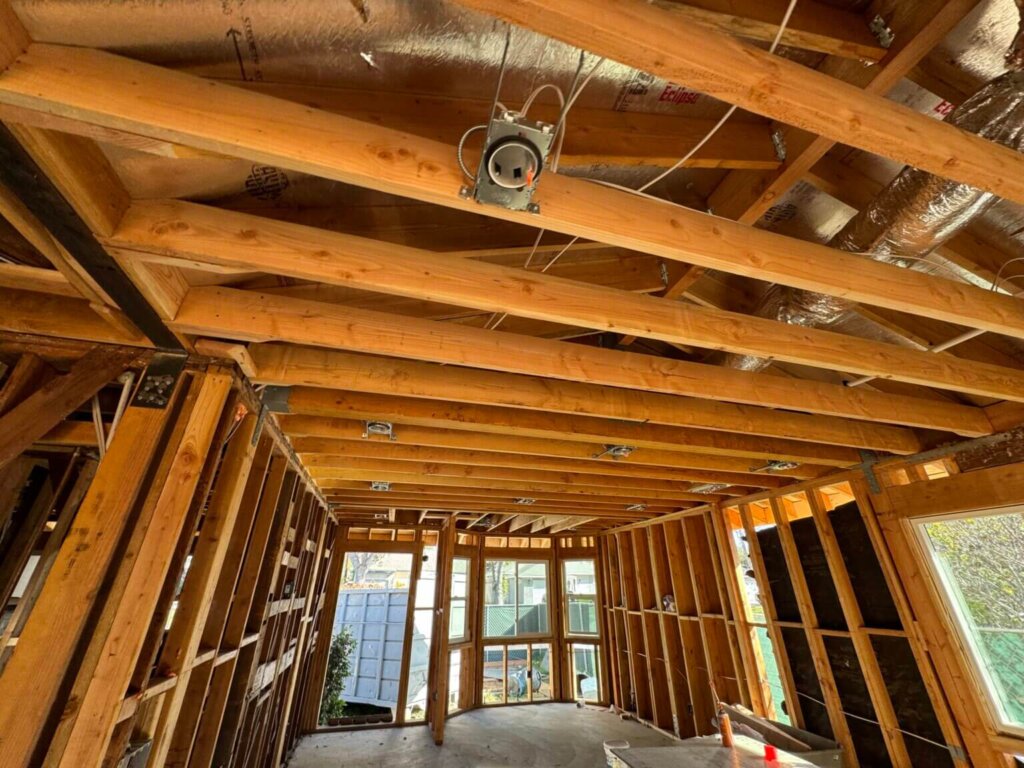


People who want to build new structures or fix their homes, or solve structural problems must decide about their structural engineer expenses.
Structural engineers maintain vital responsibilities to protect buildings from harm while they create durable structures that meet all local building requirements. You can plan your budget correctly when you grasp their pricing structure. This stops you from getting unexpected costs. The guide provides information about standard expenses, pricing elements, and service packages which serve people who live in the United States.
What Does a Structural Engineer Do?
A structural engineer evaluates and designs structures to ensure they can safely support loads and resist environmental forces. Their work often goes beyond simple inspections.
Common responsibilities include:
- Assessing structural damage or defects
- Designing beams, columns, and foundations
- Reviewing renovation or remodeling plans
- Ensuring compliance with local building codes
- Providing stamped engineering reports and drawings
Their expertise is often required for permits, insurance claims, and major construction decisions.
How Much Should I Expect to Pay for a Structural Engineer?
The answer depends on the type and scope of work. In the United States, structural engineer fees vary widely based on complexity, location, and experience.
On average, homeowners can expect to pay:
- $300 to $800 for a basic residential inspection
- $500 to $2,000 for written reports or stamped letters
- $1,500 to $5,000+ for detailed design and calculations
Large or complex projects can exceed these ranges.
Common Pricing Models Used by Structural Engineers
Structural engineers typically charge using one of several pricing structures.
Hourly Rates
Hourly billing is common for consultations, inspections, or small projects.
- Typical hourly rates range from $100 to $200 per hour
- Senior or specialized engineers may charge more
This model works well when the scope is limited or uncertain.
Flat Fees
For clearly defined tasks, engineers often provide a flat fee.
Examples include:
- Foundation inspections
- Load-bearing wall evaluations
- Beam or column design
Flat fees provide cost certainty and are common for residential work.
Percentage of Construction Cost
For large-scale or commercial projects, fees may be a percentage of total construction cost.
- Usually 1% to 5% of the project budget
- More common in new construction or major renovations
This approach aligns engineering effort with project size.
Factors That Influence Structural Engineer Costs
Understanding cost drivers helps explain why prices vary so much.
Project Complexity
Simple inspections cost far less than full structural designs.
Factors that increase complexity include:
- Multi-story buildings
- Structural damage or failure
- Seismic or high-wind considerations
- Unusual materials or layouts
More calculations and liability increase fees.
Property Type
Residential projects generally cost less than commercial or industrial ones.
- Single-family homes are usually the most affordable
- Multi-unit or mixed-use buildings cost more
- Commercial projects require stricter compliance
Each property type has different risk and code requirements.
Geographic Location
Location significantly affects pricing.
- Urban areas often have higher rates
- Regions with higher living costs charge more
- Seismic or hurricane-prone areas may require extra analysis
Local regulations also influence engineering effort.
Engineer Experience and Credentials
Highly experienced engineers often charge more.
Higher fees may reflect:
- Professional licensure
- Specialized expertise
- Strong reputation and liability coverage
In many cases, experience can save time and prevent costly mistakes.
Typical Costs by Service Type
To better answer how much should I expect to pay for a structural engineer, it helps to break costs down by service.
Structural Inspection
A visual inspection with verbal feedback is usually the least expensive service.
- Average cost: $300 to $600
- Often completed in one visit
- May not include written documentation
This is common for homebuyers or initial assessments.
Written Reports and Letters
If you need documentation for permits, contractors, or insurance, expect higher costs.
- Average cost: $500 to $1,500
- Includes written findings and recommendations
- Often stamped with the engineer’s license
Reports carry professional liability, increasing fees.
Structural Design and Calculations
Design services require detailed analysis and drawings.
- Average cost: $1,500 to $5,000+
- Includes calculations, plans, and revisions
- Required for major renovations or new construction
Costs increase with project size and revisions.
Do Structural Engineers Charge for Consultations?
In many cases, yes.
Some engineers offer brief phone consultations at no cost. However, on-site visits and professional opinions are typically billable.
You should expect to pay for:
- Site visits
- Engineering judgment
- Written recommendations
Free advice is limited due to professional liability concerns.
Is Hiring a Structural Engineer Worth the Cost?
While costs may seem high, structural engineering services often prevent far more expensive problems.
Benefits include:
- Identifying hidden structural issues
- Avoiding unsafe construction
- Ensuring permit approval
- Protecting property value
In many cases, their recommendations reduce unnecessary construction expenses.
How to Budget for a Structural Engineer
Planning ahead helps manage costs effectively.
Consider these tips:
- Define the project scope clearly
- Gather existing plans or drawings
- Ask for a written fee proposal
- Confirm what deliverables are included
Clear communication reduces unexpected charges.
Red Flags When Evaluating Pricing
Extremely low fees can signal potential issues.
Be cautious if:
- The engineer is not licensed in your state
- No written agreement is provided
- The scope is vague or undefined
- Insurance coverage is unclear
Professional structural engineering carries responsibility and risk.
How Structural Engineer Costs Compare to Other Professionals
Structural engineers are often compared to architects or contractors.
In general:
- Engineers focus on safety and calculations
- Architects focus on design and aesthetics
- Contractors focus on construction execution
Each role is distinct, and engineering fees reflect specialized liability.
Conclusion
What price range should I expect when I need to hire a structural engineer? The United States shows cost variations which start at basic inspection fees of a few hundred dollars to reach multiple thousand dollars for thorough design evaluation and analysis services. The pricing system depends on how complex the project is, together with its geographical position, and the amount of required paperwork.
Structural engineering services need a high investment, but they deliver essential professional knowledge which safeguards safety standards. It guarantees regulatory compliance and maintains property worth over time. Understanding typical costs helps you make informed decisions and budget with confidence.