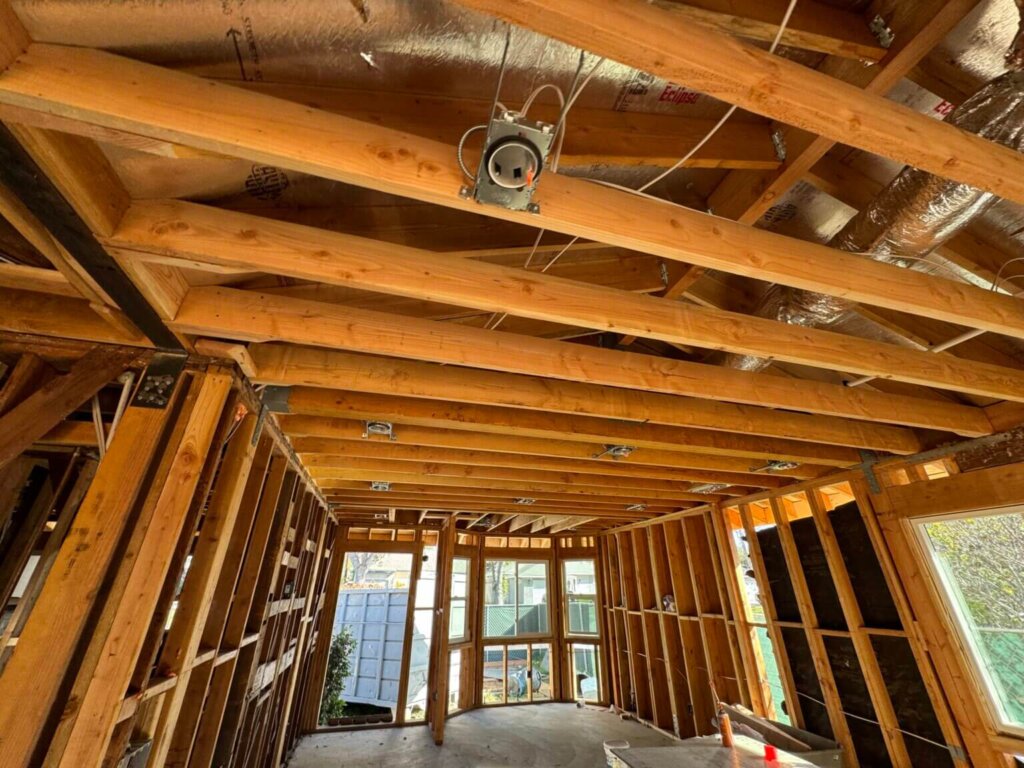


Civil engineering stands as an essential part of infrastructure development because it provides fundamental support for construction project planning. The American clients ask the same question about civil engineers because they want to understand what these professionals do and their importance in the construction success.
Civil engineers take responsibility to create safe operational structures that remain durable through their implementation of design concepts. Civil engineers maintain essential responsibilities during all phases of a construction project, as they handle planning and design work while overseeing the work and monitoring regulatory standards.
What Does a Civil Engineer Do?
A civil engineer plans, designs, manages, and oversees the construction of buildings and infrastructure while ensuring safety, quality, and compliance with U.S. regulations.
Their primary goal is to create structures that are:
- Structurally safe
- Cost-effective
- Code-compliant
- Built to last
Civil engineers work on residential, commercial, industrial, and public infrastructure projects across the USA.
Core Responsibilities of a Civil Engineer
Civil engineering is a multi-disciplinary profession. A civil engineer’s responsibilities go far beyond drawings and calculations.
1. Project Planning and Feasibility Analysis
Before construction begins, civil engineers:
- Analyze project requirements
- Evaluate site conditions
- Conduct feasibility studies
- Estimate costs and timelines
This early-stage planning reduces risks and prevents costly mistakes later.
2. Structural Design and Calculations
One of the most important answers to what a civil engineer does is structural design. Civil engineers:
- Design load-bearing systems
- Calculate structural strength
- Ensure resistance to wind, seismic, and environmental forces
This ensures buildings and infrastructure remain safe throughout their lifespan.
3. Foundation and Site Engineering
Civil engineers are responsible for:
- Soil testing and geotechnical analysis
- Site grading and drainage planning
- Foundation design
Proper foundation engineering prevents settlement, cracks, and long-term damage.
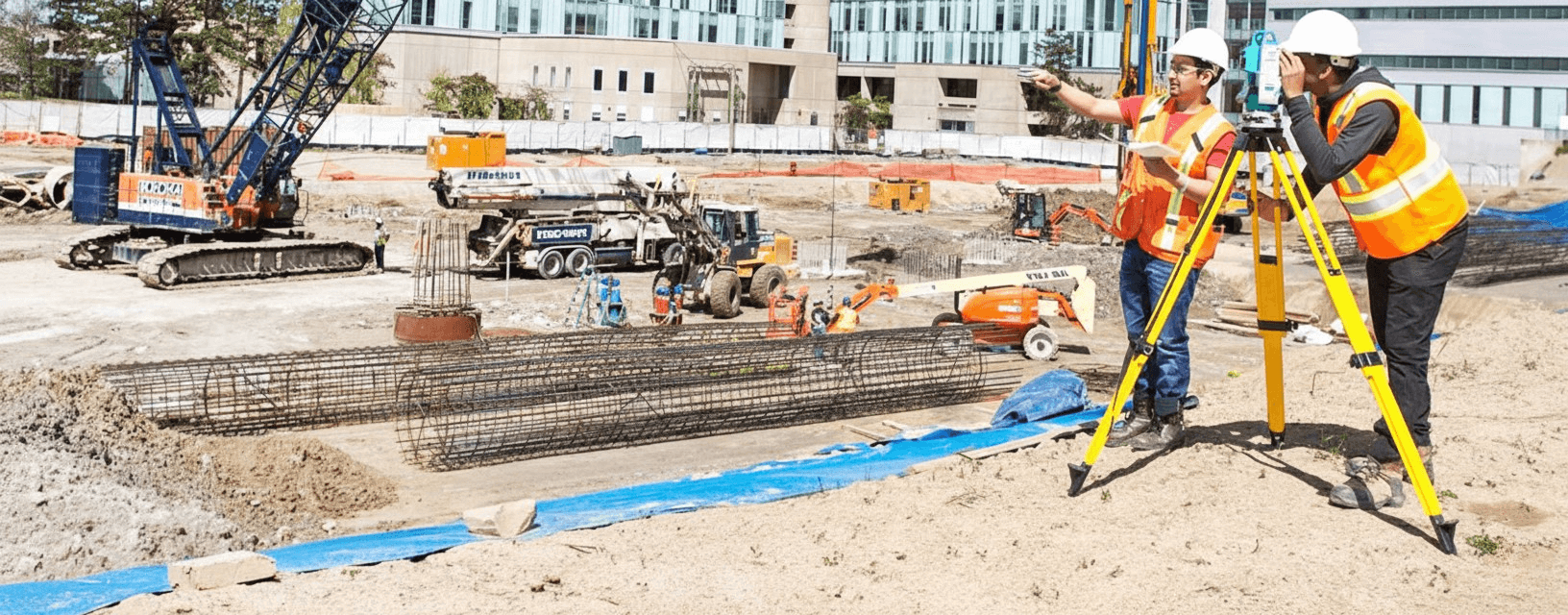
4. On-Site Construction Supervision
Civil engineers oversee construction activities to ensure:
- Designs are followed correctly
- Materials meet specifications
- Work complies with safety standards
They coordinate with contractors, architects, and inspectors to keep projects on track.
5. Quality Control and Safety Management
Safety is a top priority in the U.S. construction industry. Civil engineers:
- Enforce safety regulations
- Monitor construction quality
- Reduce accident risks
Their involvement protects workers, property owners, and future occupants.
6. Building Codes and Legal Compliance
In the United States, construction projects must comply with strict local, state, and federal regulations. Civil engineers ensure compliance with:
- Zoning laws
- Building codes
- Environmental regulations
Standards and best practices are guided by organizations such as the American Society of Civil Engineers (ASCE).
Failure to meet these requirements can result in delays, fines, or legal issues.
7. Infrastructure Design and Development
Civil engineers design and manage:
- Roads and highways
- Bridges and flyovers
- Water supply systems
- Drainage and sewer networks
These projects are essential for economic growth and public safety across the USA.
8. Sustainable and Environmentally Responsible Design
Modern civil engineers focus on sustainable construction by:
- Using eco-friendly materials
- Designing energy-efficient systems
- Managing water and waste responsibly
Sustainable civil engineering reduces environmental impact and long-term operating costs for property owners.
Civil Engineer vs Contractor: What’s the Difference?
Clients often ask whether they need a civil engineer if they already have a contractor.
- Civil Engineer: Design, analysis, safety, compliance, and planning
- Contractor: Executes physical construction work
In the USA, civil engineers guide the project technically, while contractors build according to those plans.
Why Civil Engineers Are Essential for Construction Projects in the USA
Hiring a professional civil engineer ensures:
- Structural safety and durability
- Compliance with U.S. laws and codes
- Efficient use of materials and budget
- Reduced risk of failure or rework
For residential, commercial, and infrastructure projects, civil engineers protect your investment.
How Civil Engineers Add Value to Your Construction Investment
Civil engineers help clients by:
- Optimizing design to reduce costs
- Preventing future maintenance issues
- Improving project timelines
- Increasing long-term property value
Their expertise leads to higher return on investment (ROI) and fewer long-term problems.
When Do You Need a Civil Engineer?
You should hire a civil engineer if you are:
- Building a new home or commercial property
- Developing land or infrastructure
- Renovating or expanding a structure
- Working on projects requiring permits and approvals
In most U.S. jurisdictions, civil engineer involvement is mandatory for permitting and approvals.
Conclusion: What Does a Civil Engineer Do and Why It Matters
So, what does a civil engineer do?
A civil engineer plans, designs, manages, and safeguards construction and infrastructure projects from start to finish.
For clients in the United States, professional civil engineering services are essential to ensure projects are:
- Safe
- Code-compliant
- Cost-effective
- Built for long-term performance
If you are planning a construction or infrastructure project, working with an experienced civil engineering company is one of the most important decisions you can make.