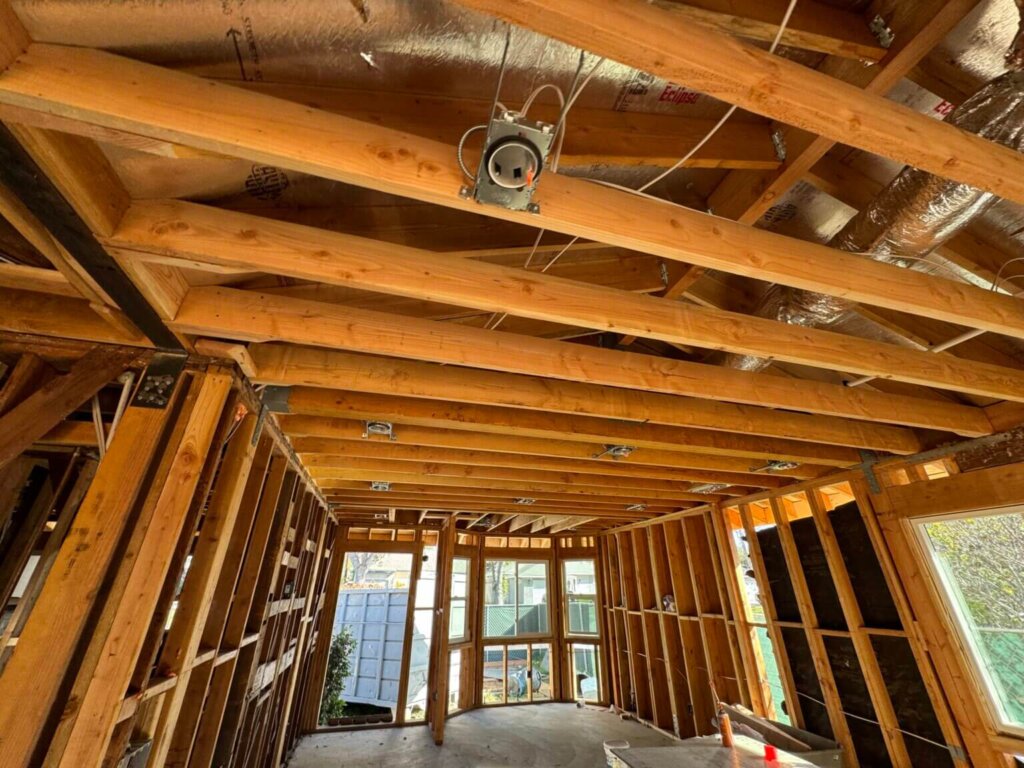


Structural engineers serve vital functions that most people fail to understand because their work remains hidden from public view. Structural engineers create essential built environment designs through their vital work, yet their activities stay hidden from public view. Structural engineers guarantee the safety, stability, and long-term durability of all buildings, which include skyscrapers, bridges, homes, and stadiums.
This detailed resource explains structural engineers’ duties and their required competencies, and their vital role in construction, so readers can grasp their complete professional scope and its vital value.
Role of a Structural Engineer
A structural engineer operates as a specialized civil engineer who creates designs and performs structural analysis while working to protect building structures. Their main duty requires them to verify that all buildings, including their structures, will endure every possible force and weight they will experience during their entire existence.
These forces include:
- Gravity and weight loads
- Wind pressure
- Earthquakes and seismic activity
- Snow and rain accumulation
- Temperature changes
- Human use and occupancy
Structural engineers work to protect buildings from structural damage because they prevent buildings from developing bends or cracks or from collapsing under pressure.
What Does a Structural Engineer Do Daily?
The daily tasks of a structural engineer vary depending on the project, but most responsibilities fall into a few core areas.
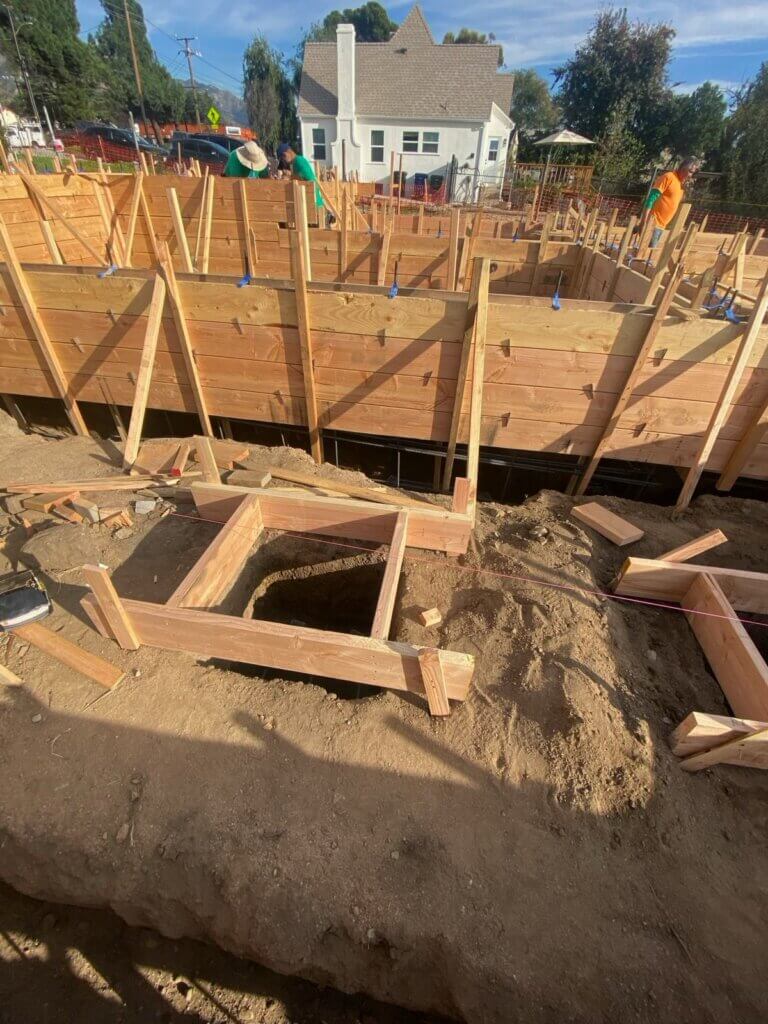
Structural Design and Planning
Structural design forms the fundamental answer to what structural engineers perform in their professional duties. Engineers determine the dimensions, configurations, and load-bearing capacities that structural components, including beams,d columns, slabs, and foundations, need to have. They decide which materials—steel, concrete, timber, or composites—are best suited for each project.
This design process ensures that:
- Loads are safely transferred to the ground
- Materials are used efficiently
- The structure meets safety codes and regulations
Structural Analysis and Calculations
Structural engineers conduct detailed mathematical assessments that enable them to forecast structural behavior when subjected to various environmental circumstances. The team applies engineering principles together with specialized software tools to generate simulations that display stress patterns, deflection responses, vibration behavior, and load distribution routes.
The analysis reveals structural vulnerabilities that threaten ongoing operational safety under standard operations and crisis circumstances.
Collaboration with Architects and Contractors
Structural engineers maintain a direct working relationship with architects to transform their initial design concepts into actual construction-ready plans. Structural engineers verify that architects’ designs meet both visual appeal requirements and functional needs while they establish safe and workable construction possibilities.
They also collaborate with contractors to:
- Clarify construction details
- Address on-site challenges
- Adjust designs when conditions change
Ensuring Safety and Code Compliance
A major part of what a structural engineer does is ensuring compliance with building codes and safety regulations. Every structure must meet local, national, and sometimes international standards.
Structural engineers:
- Interpret building codes
- Apply safety factors to designs
- Prepare calculations and reports for approval
- Support inspections and regulatory reviews
This work protects both the public and the professionals involved in construction.
Site Inspections and Construction Support
Structural engineers don’t just work in offices. Many spend time on construction sites conducting inspections and providing guidance during the build process.
On-site responsibilities include:
- Verifying construction matches the design
- Identifying structural issues early
- Advising on repairs or reinforcements
- Ensuring quality and safety standards are met
Their presence helps prevent costly mistakes and ensures long-term structural integrity.
Types of Projects Structural Engineers Work On
To fully understand what a structural engineer does, it helps to look at the variety of projects they handle.
Residential Buildings
Structural engineers develop architectural designs to build homes, along with apartment complexes and residential communities. The construction process requires building foundations and framing systems that support load-bearing walls.
Commercial and Industrial Structures
The structural design of offices, together with shopping centers, warehouses, and factories, needs to support both wide spaces and substantial weight.
Infrastructure Projects
Structural engineering skills form the basis that enables bridges, tunnels, towers, and transportation hubs to achieve long-term stability and safety.
Renovations and Structural Assessments
Structural engineers also assess existing buildings, especially when:
- Renovating or remodeling
- Adding extra floors
- Repairing damage
- Evaluating aging or unsafe structures
Problem Solving and Risk Management
Another key aspect of what a structural engineer does is problem-solving. Every site and project presents unique challenges, such as poor soil conditions, tight budgets, or complex architectural designs.
Structural engineers manage risk by:
- Identifying potential failure points
- Designing redundancies into structures
- Balancing safety, cost, and efficiency
Their decisions directly affect the lifespan and reliability of a structure.
Skills Required to Be a Structural Engineer
Structural engineering demands a blend of technical and interpersonal skills.
Technical Skills
- Strong mathematics and physics knowledge
- Structural analysis and design expertise
- Proficiency with engineering software
- Understanding of materials and construction methods
Soft Skills
- Clear communication with teams and clients
- Attention to detail
- Critical thinking and creativity
- Ability to work under pressure
These skills allow structural engineers to translate complex calculations into real-world solutions.
Why Structural Engineers Are Essential
Without structural engineers, modern construction would be unsafe and unreliable. They protect lives by ensuring structures can withstand unexpected events like earthquakes, storms, or heavy use.
Their work also:
- Prevents costly structural failures
- Improves sustainability through efficient material use
- Supports innovative architectural designs
In many ways, structural engineers form the backbone of the built environment.
Structural Engineer vs Civil Engineer
People frequently inquire whether structural engineers and civil engineers practice the same profession. The two concepts share similarities, but they exist as separate entities.
Civil engineers handle various infrastructure development projects, which include building roadside establishing water distribution systems, and creating transportation infrastructure. Structural engineers focus their expertise on designing structural systemsthath support loads and maintain structural stability.
The knowledge about these distinctions allows us to understand what a structural engineer does as part of the engineering profession.
Final Thoughts: What Does a Structural Engineer Do?
So, what does a structural engineer do? Structural engineers work to create buildings and structures that remain safe and stable throughout their entire lifespan. The team requires their construction expertise to perform all essential tasks, which span from first design work and analysis through to field inspections and ongoing monitoring.
Structural engineers use their scientific knowledge to create family homes and huge bridges while they maintain their duty to safeguard human lives and build our surrounding environment. The team members perform essential tasks that remain hidden from public view, but these tasks maintain their fundamental importance.