Structural Engineer for Your Project: Most people hire an architect. Many hire a general contractor. But the question of whether a project needs a structural engineer often comes up late sometimes after a permit application has already stalled, or after a contractor has flagged a condition on site that nobody planned for.
Structural engineering requirements extend to more construction projects than property owners and developers usually predict. The complete explanation depends on your construction type and its location together with soil characteristics and seismic requirements and building department rules. The list below shows when structural engineering becomes mandatory because it provides essential benefits for your construction work.
California Is Not a Forgiving Structural Environment
California stands as the most challenging state for structural engineering work when compared to all other states in the United States. The state sits across several major fault systems. The engineering team must follow seismic design standards because these standards determine foundation dimensions and determine where shear walls should stand and how to create detailed hold-down systems.
The 2025 California Building Code, which took effect January 1, 2026, and ASCE 7-22 set the current standard for structural loads and lateral system design. Every project submitted to a California building department is evaluated against these standards. The building department will issue correction notices to you because your structural drawings lack current code requirements and local jurisdiction-specific modifications. Projects stall. The schedule development process encounters delays because the scheduled work activities do not start at their planned times.
The assessment process will happen inside the current assessment environment which your project has to operate in. Structural engineering consists of more than just filling out forms. The core technology of your project will either achieve its scheduled milestones or it will experience delays which become more severe over time.
New Construction Almost Always Requires Structural Engineering
All new buildings in California need a structural engineer to create foundation designs and determine framing dimensions and develop systems for lateral force resistance. This includes:
Single-family homes and custom builds. A basic one-story residence needs foundation planning which matches local soil characteristics and engineers must design shear walls to defend against earthquakes and strong winds and they must provide complete structural documents for building department approval. The construction of homes on hillsides and wide soil areas and open floor designs which need extended supports or moment-resistant frames demands higher structural complexity but structural engineer licensing requirements apply to all situations.
Accessory Dwelling Units. The state of California requires ADUs to meet the same structural standards which apply to their main residential structures. The construction of detached ADUs requires developers to create individual foundation systems which also need dedicated lateral resistance solutions. The process of converting a garage into living space needs structural assessment of the current foundation and building components before obtaining permission to use the area for habitation. The engineering needs for this project match those of a complete residential building even though the project area remains limited.
Commercial buildings. The design process for office buildings and retail centers and mixed-use developments and hospitality projects demands complete structural engineering work which includes foundation design and gravity and lateral system design and MEP equipment load and penetration and rooftop unit placement coordination. The process of construction becomes more complex when buildings increase in height while accommodating more people and using different structural systems so every building needs structural engineering regardless of its size.
Additions and Second Stories Often Overlooked
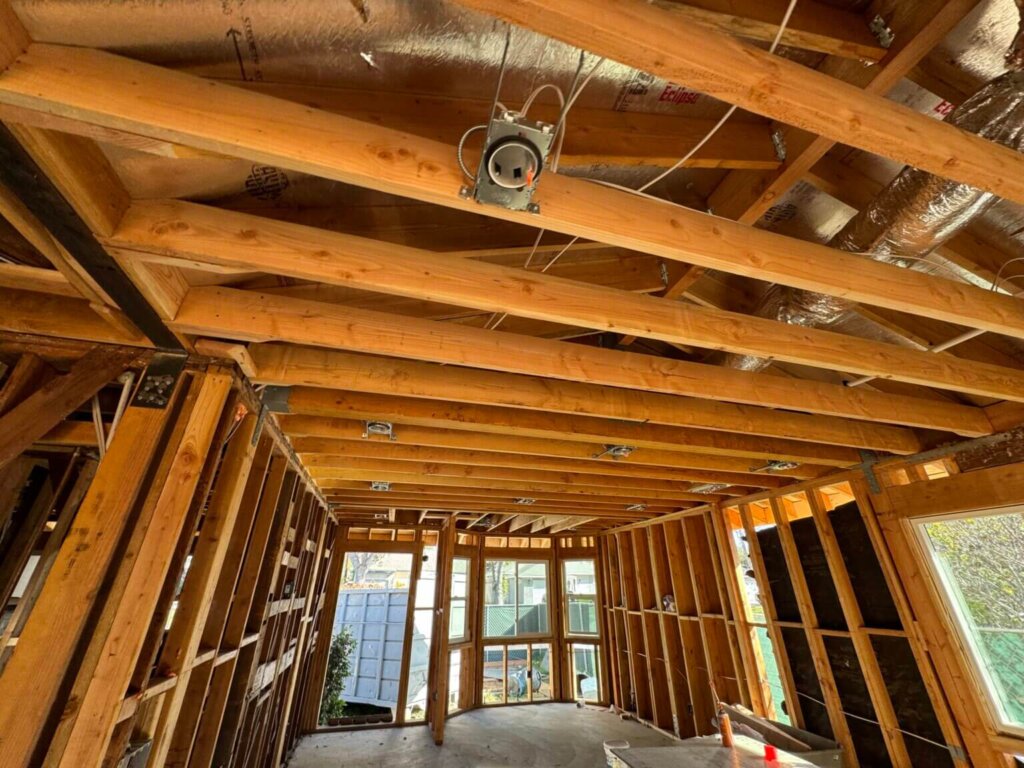
Residential construction projects face their biggest challenge when they reach this particular phase. A homeowner who wants to add a second floor or expand their home must hire a structural engineer before starting work because plan check will reveal that their current foundation lacks strength to support additional weight while their existing shear walls need reinforcement to handle increased seismic loads and their framing system requires structural support before construction can begin.
Any addition that adds significant load to an existing structure a second story, a large room addition, a rooftop deck requires structural engineering. The structural engineer will assess all existing conditions to determine if the current foundation and framing systems can handle the new loads before developing reinforcement or replacement structures which will bring the building up to modern code standards.
The cost of hiring a structural engineer for addition design work stands at a lower price than what you would spend to fix structural problems which appear after construction begins.
Fire Rebuilds A Specialized Structural Requirement
California requires fire rebuilds to follow structural building standards which exceed the requirements for regular residential construction. The 2025 code cycle requires Wildland-Urban Interface construction standards for these projects which determine material and assembly requirements and structural detailing standards.
The fire rebuild process needs structural engineering which follows the same basic principles as new construction foundation and framing and lateral system design but requires extra work because of post-fire site conditions and fire-damaged local building codes and requirements for jurisdictional cooperation. The construction of projects in Los Angeles County and Altadena and Pasadena needs structural expertise to understand their specific building codes while efficiently developing their construction plans.
Rehabilitation and Change of Use
Any building which undergoes major renovations or changes its function or adds new space needs structural engineering according to California building code. A warehouse being converted to office space. A commercial building undergoing a tenant improvement that removes load-bearing walls. A multifamily building receiving a seismic retrofit.
A structural engineer needs to assess every existing structure to check its ability to handle new loads and to ensure it meets current seismic standards before they can develop necessary structural changes for the building. The initial step for any project involving an existing building with unknown structural condition requires building assessments to perform structural condition evaluations before starting renovation work or property acquisition.
What a Structural Engineer Actually Delivers
A structural engineer creates drawings but his work goes beyond that. A complete structural engineering scope for a California project includes:
- Foundation design matched to site-specific soil and geotechnical conditions
- The design of all structural members requires gravity framing
- The design of lateral force-resisting systems includes seismic and wind protection through shear walls and moment frames and hold-downs.
- A complete structural calculations package for building department submission
- Construction documents must reach coordination with architectural drawings and MEP and civil drawings.
- Plan check response and correction notice resolution
- RFI response, shop drawing review, and field observation through construction
The last item matters more than most owners expect. The structural engineer stays involved during construction to handle field issues and work with special inspectors and verify truss shop drawings which prevents cost increases from early detection of problems. The disappearance of engineers after they submit their work forces contractors and architects to handle structural issues which they lack the knowledge to solve.
The Right Time to Engage a Structural Engineer
The design process needs to start at the beginning because this is the proper time for work instead of waiting until architects finish their drawings or until after construction begins. The initial structural design work determines foundation elevation and framing distances and lateral support locations and equipment integration which produces project improvements while minimizing future change expenses.
Our firm at YA Creative Design Partners established structural engineering as one of its core founding disciplines. Our structural engineers maintain direct collaboration with MEP and civil teams during every project to handle all aspects of equipment loads and grading conditions and penetration requirements before finalizing the drawing set. You can reach our team at (949) 482-7835 or yamer@yacreativedesignpartners.com to get your Orange County or Southern California project structural scope reviewed.