There is nothing quite like the frustration of watching a critical commercial or residential project grind to a halt because of a building department correction notice. In California, where local jurisdictions have some of the strictest building codes and energy compliance standards in the nation, plan check delays can cost thousands of dollars in carrying costs and disrupted schedules.
The good news? Most permit rejections don’t happen because a design is bad. They happen because of small, preventable mismatches between the architectural design and the underlying engineering.
As a fully integrated California engineering firm, we see these issues daily. Here are the top reasons permit applications get rejected in California jurisdictions and exactly how to safeguard your next submittal.
1. The “Discipline Disconnect” (Coordination Clashes)
The Problem:
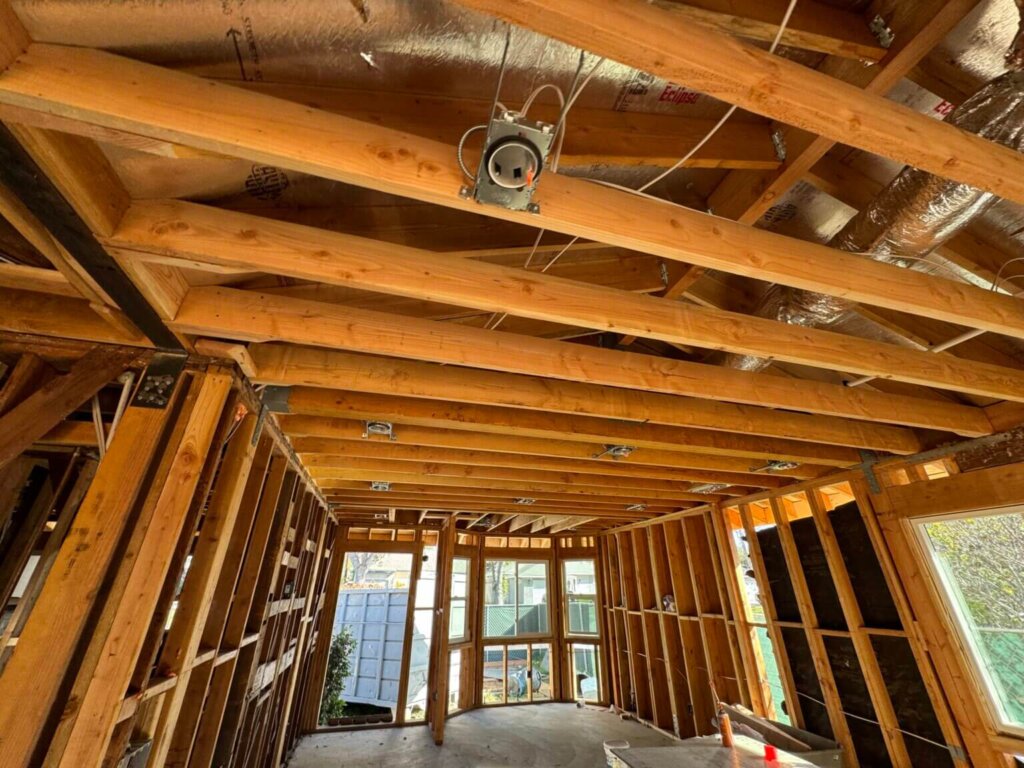
This is the single most common reason for a plan check rejection. An architect updates a floor plan, but the structural engineer is still working off an older version. Or, the mechanical engineer places an HVAC duct right where a massive structural steel beam is supposed to sit. When the plan checker spots these physical conflicts, the entire package gets kicked back.
The Fix:
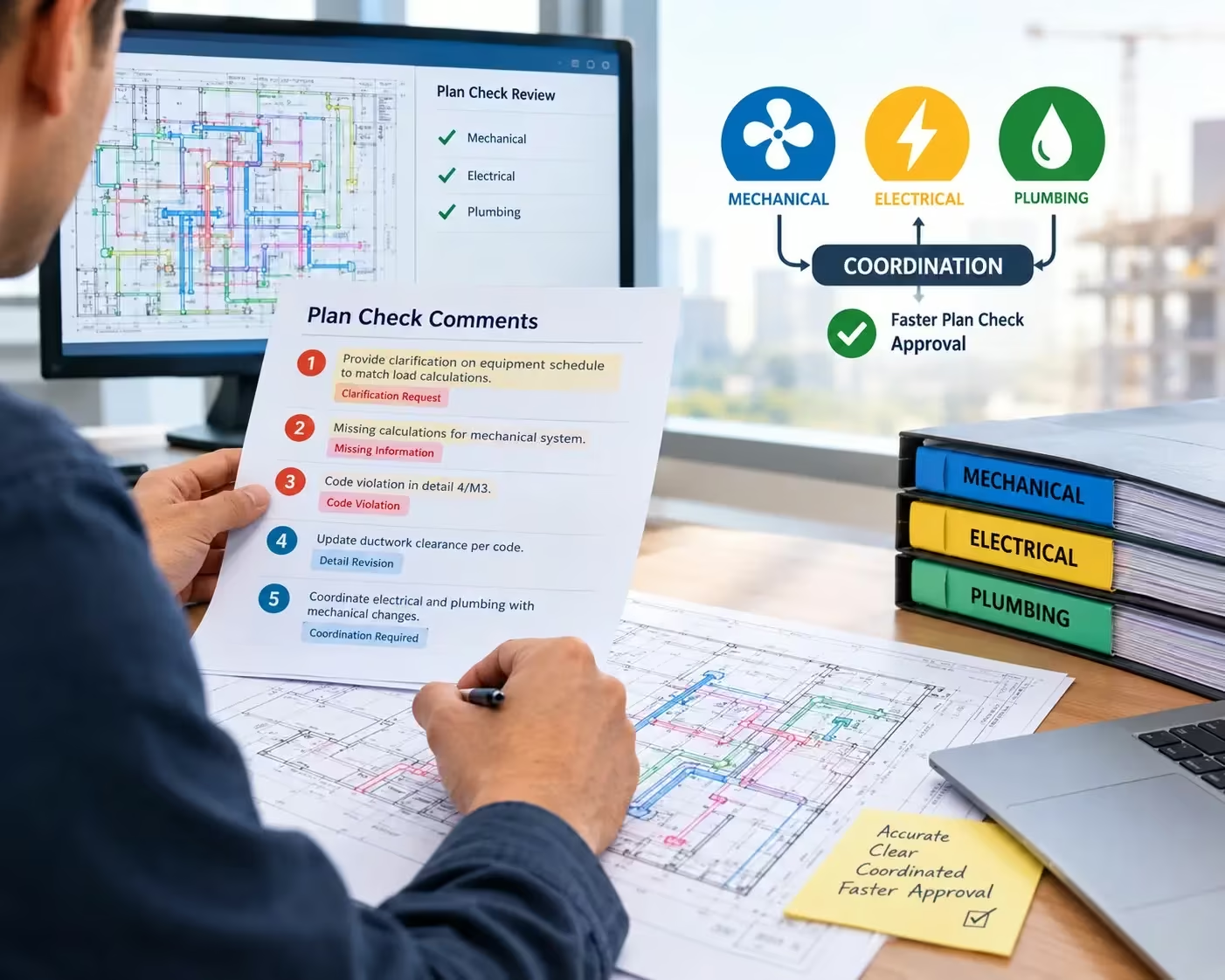
Move away from siloed engineering. When you work with a multi-discipline partner, your structural, MEP (mechanical, electrical, plumbing), and civil scopes are coordinated in-house under one roof. Discrepancies are caught and resolved internally before the drawings ever reach the city desk.
2. Failing the Title 24 Energy Math
The Problem:
California’s Energy Code (Title 24, Part 6) is incredibly stringent and updates regularly. A common pitfall is treating Title 24 as an afterthought. If your architectural envelope (windows, insulation, walls) doesn’t mathematically align with your MEP design (HVAC efficiency, water heaters, lighting loads), the city will reject the submittal immediately.
The Fix:
Coordinate Title 24 calculations directly with your mechanical and architectural teams during the Design Development phase. Energy compliance should dictate equipment selection and envelope design from day one, rather than trying to force a compliance form to fit a completed drawing set.
3. Ignoring Local Jurisdictional “Quirks”
The Problem:
A drawing set that passes with flying colors in Orange County might get flagged for dozens of corrections in the City of Los Angeles or San Diego. Every local building department has its own specific local ordinances, seismic design parameters, and plan check checklists. Assuming a one-size-fits-all approach to California engineering is a fast track to a correction notice.
The Fix:
Partner with engineers who have localized experience. Your engineering team should understand exactly what local plan checkers look for in specific jurisdictions applying that local knowledge at the drawing stage, not after the first round of reviews.
4. Incomplete or Inaccurate As-Built Drawings
The Problem:
For renovations, additions, or commercial tenant improvements (TIs), your design is only as good as your historical data. If the submittal relies on old, inaccurate record drawings or guesswork about where existing structural columns or plumbing lines sit, the field conditions won’t match the design. Plan checkers will quickly spot structural assumptions that don’t hold up.
The Fix:
Always invest in field-verified As-Built drawings produced from exact on-site measurements before drafting the new design. Starting with a 100% accurate baseline prevents mid-stream structural redesigns during the permit review process.
Summary Checklist for a Flawless Submittal
Before you submit your next package to the building department, ensure your team can check off these critical items:
| Submittal Focus | What to Verify | Prevention Strategy |
| Cross-Discipline Check | Do structural beams clear MEP ductwork and plumbing lines? | Conduct a final internal coordination review. |
| Energy Alignment | Do Title 24 calculations accurately match specified HVAC and lighting hardware? | Run energy modeling alongside mechanical design. |
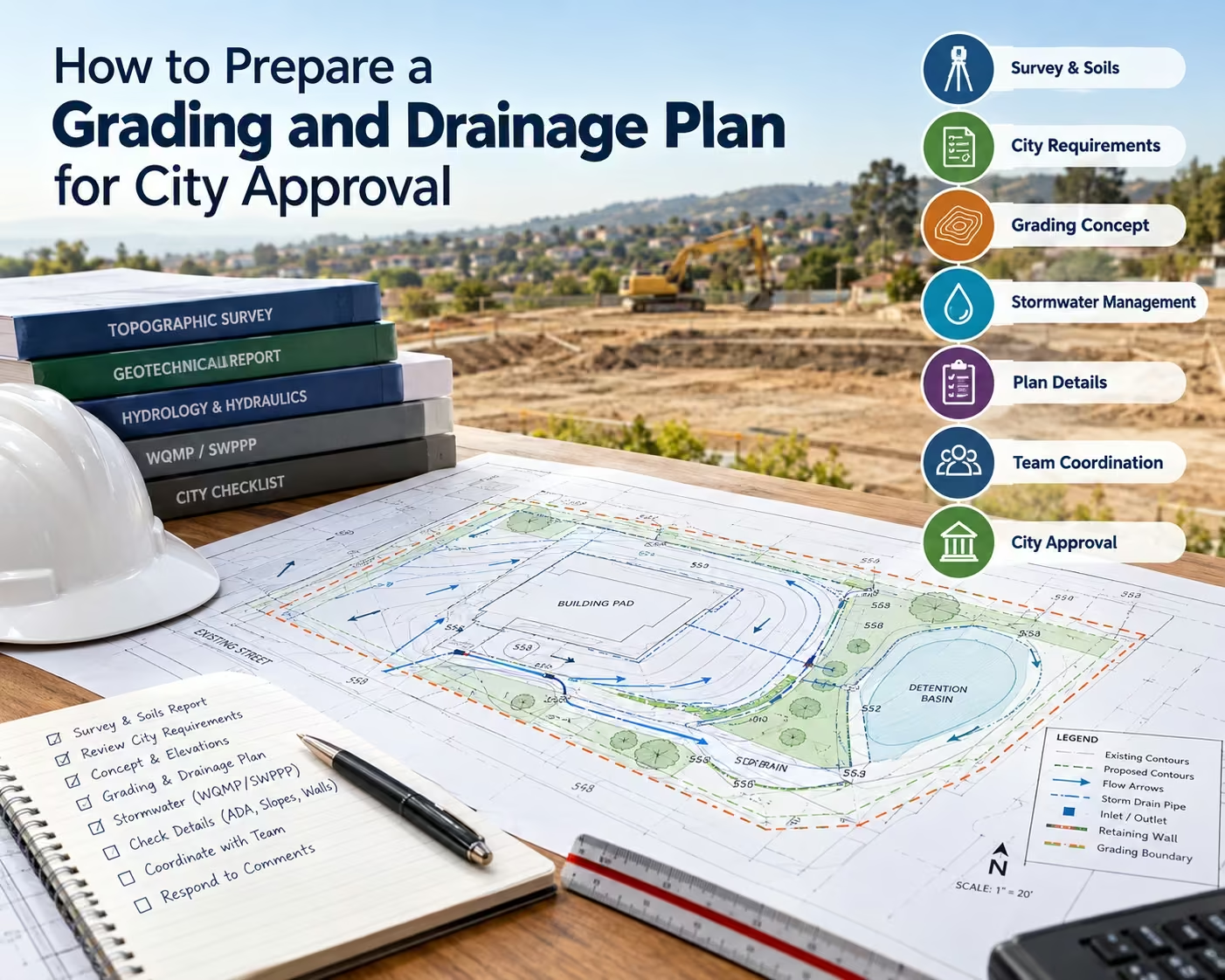
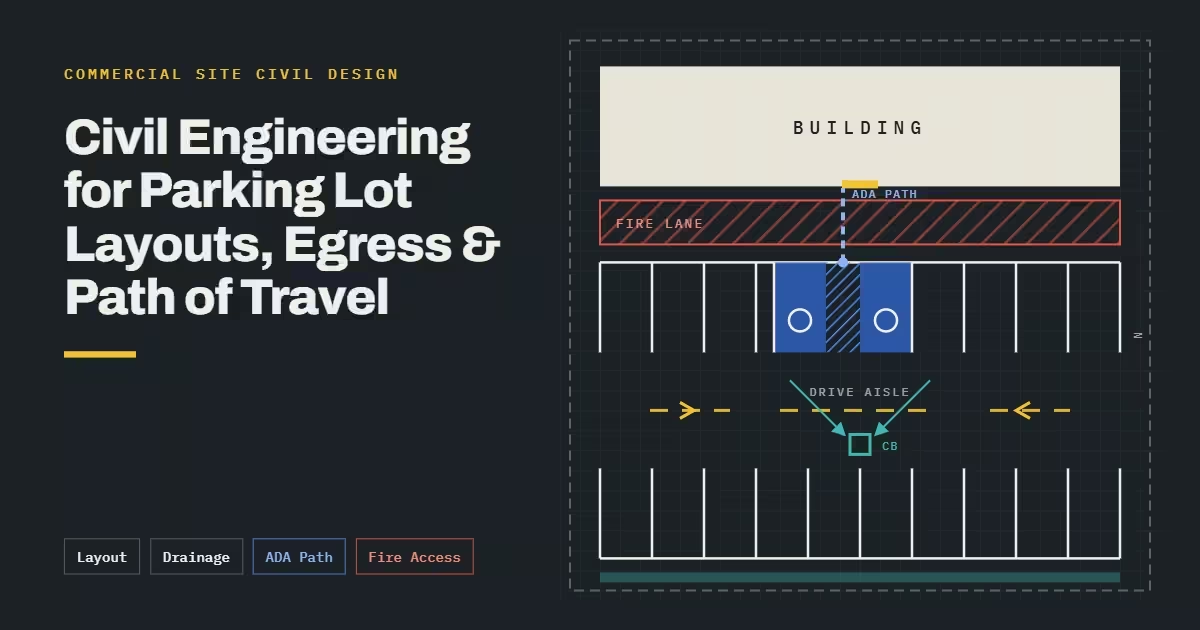
| Site & Civil Integration | Do grading, drainage, and utility connection points align with local public works standards? | Review local civil guidelines prior to final submittal. |
| Correction Readiness | Is there a designated point of contact to handle city plan checker questions? | Ensure your engineer provides full Agency Coordination support. |
The Ultimate Fix: Seamless Collaboration
At YA Creative Design Partners, we believe your schedule is our responsibility. We deliver full-scope structural, MEP, civil, and Title 24 engineering managed by one team. By resolving coordination conflicts internally, we help our clients secure building permits smoothly often passing plan checks with zero structural or architectural corrections.
Have an upcoming project with a tight deadline?
Upload your project details today. We review every scope and respond with a detailed fee proposal within 24 hours.