Structural engineers develop essential designs which allow them to build secure buildings and bridges together with all other vital infrastructure systems. People who want to become engineers usually picture themselves working at construction sites yet their career options extend beyond this typical scene. A structural engineer operates across various professional settings which include engineering offices, construction sites, government agencies, industrial plants, and consulting businesses that focus on specific areas.
The work locations of structural engineers enable homeowners, students, developers, and businesses to understand how these professionals contribute to building construction and architectural design. Structural engineers use their technical expertise to solve real-world problems through their ability to analyze building plans on computers and conduct physical structure inspections in the field.
What Does a Structural Engineer Do?
Structural engineers need to understand their work environments before they determine their professional practice spaces. Structural engineers work to create buildings that maintain their structural stability while becoming safer for public use. Their primary objective involves ensuring that all buildings and constructed facilities maintain their ability to withstand various forces which they encounter during their operational life span.
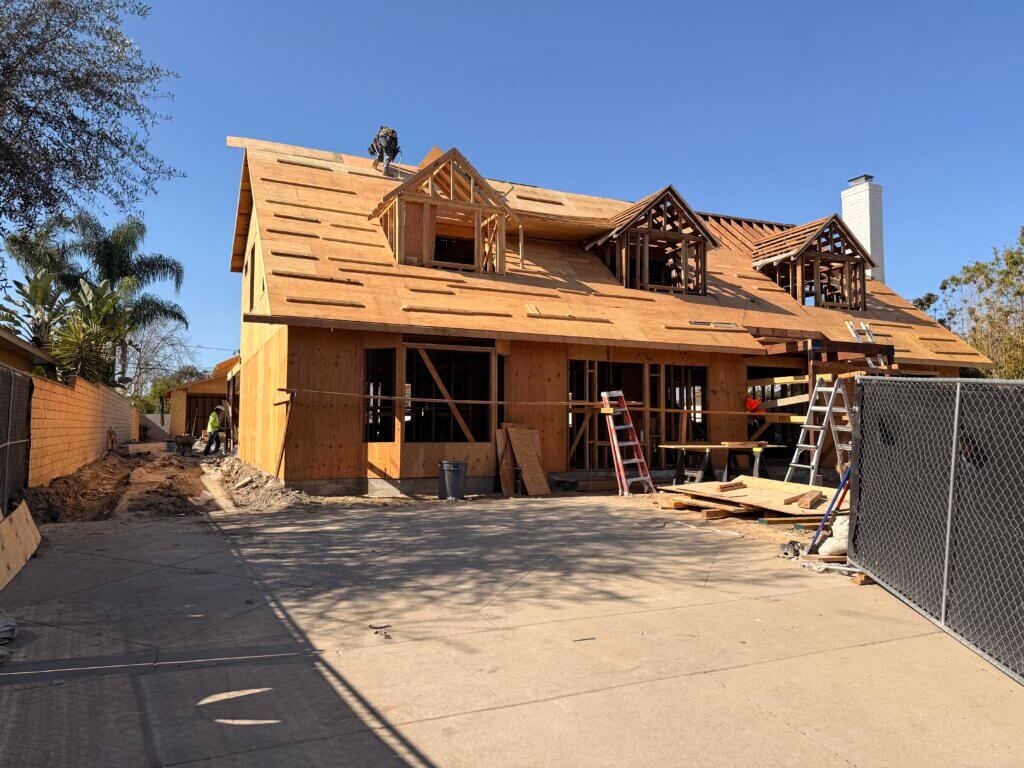
These forces include:
- The weight of the structure itself
- People, furniture, and equipment inside buildings
- Wind pressure
- Earthquakes
- Soil movement
- Environmental conditions
Structural engineers develop foundation designs while performing structural analysis for beams and columns, walls and framing systems, and all essential building components. The team members maintain direct contact with architects and contractors, civil engineers, and property owners to transform their building concepts into secure and operational structures.
Structural Engineering Firms and Design Offices
Structural engineers typically find their work environment at engineering consulting firms and design offices which serve as their main workplaces. Structural engineers dedicate their work hours to producing essential calculations and developing construction drawings while they work with different building industry specialists.
Structural engineers in office spaces apply advanced computer software to build structural models which they use for building performance assessment. The team studies architectural drawings to establish proper material requirements and structural system needs for the project.
Common office responsibilities include:
- Creating structural drawings
- Performing engineering calculations
- Designing foundations and framing systems
- Reviewing building codes
- Preparing permit documents
- Coordinating with architects and contractors
Although office work may seem separate from construction, it forms the foundation for successful building projects.
Construction Sites
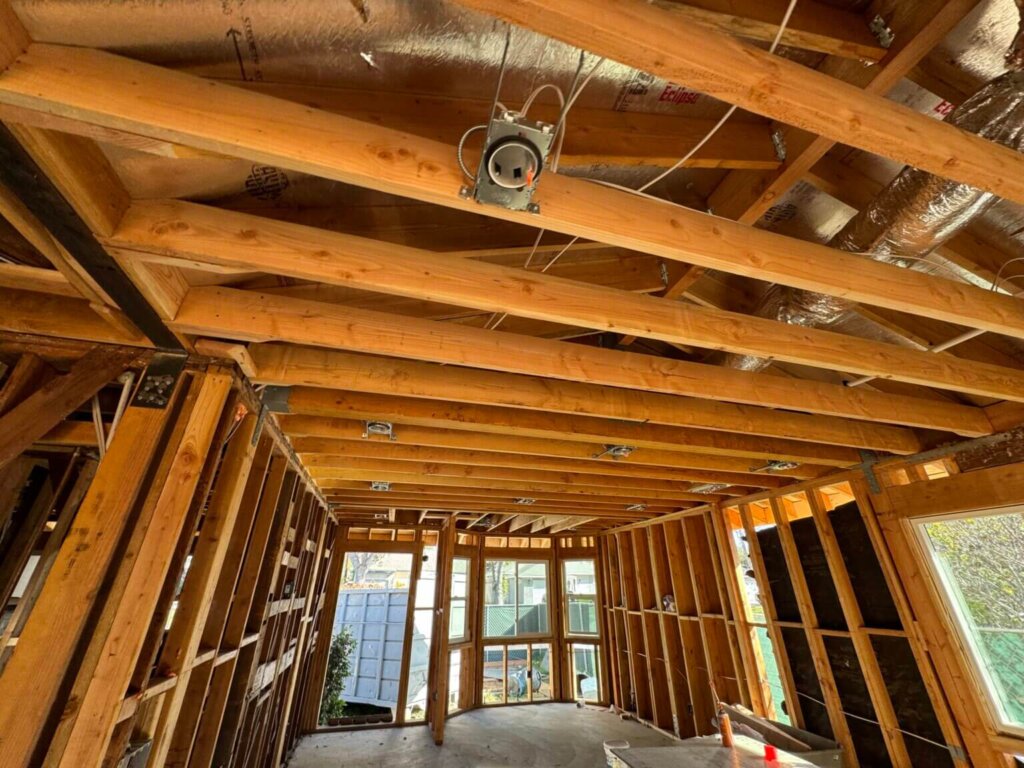
A structural engineer also works directly on construction sites. Engineers perform fieldwork to verify that construction activities stay within authorized plans while preserving all safety standards.
Structural engineers conduct site inspections to examine various project components which include foundation structures and steel joint systems and concrete support elements and building frameworks. The process of identifying construction problems leads to solution recommendations which prevent the development of costly dangerous situations.
At construction sites, structural engineers may:
- Perform structural observations
- Answer contractor questions
- Review unexpected field conditions
- Check construction quality
- Verify structural details
For example, if a contractor discovers an unexpected foundation issue during a remodel, a structural engineer may visit the site, evaluate the condition, and provide a safe design solution.
Residential Construction Projects
Residential construction projects including home building and expansion work and remodeling and ADU development need structural engineers who dedicate their efforts to these projects. Homeowners seek structural engineering services because they require expert advice about structural modifications which impact their house framework.
Residential structural engineering projects include:
- New home construction
- Home additions
- Wall removal projects
- Foundation repairs
- Second-story additions
- Garage conversions
- Earthquake retrofits
A structural engineer helps ensure that modifications do not weaken the home. For example, removing a load-bearing wall usually requires an engineer to design a replacement beam that can safely transfer the weight.
Commercial Building Projects
Structural engineers frequently work in commercial construction. These projects are often larger and more complex than residential buildings because they must support different uses and higher occupancy levels.
Commercial structural engineers work on:
- Office buildings
- Shopping centers
- Restaurants
- Warehouses
- Schools
- Hospitals
- Hotels
Commercial projects need multiple professionals to work together for detailed coordination between architects and mechanical engineers and electrical engineers and construction teams.
The structural engineer develops systems which fulfill safety standards and simultaneously back up the architectural concepts of the building.
Government Agencies and Public Infrastructure
Another place where structural engineers work is within government organizations. Cities, counties, and public agencies hire structural engineers to review, design, and maintain important infrastructure.
Government structural engineering work may involve:
- Bridges
- Public buildings
- Transportation systems
- Emergency facilities
- Water structures
Some engineers review construction plans submitted for permits. The evaluation process requires these projects to demonstrate their compliance with local building codes and their structural safety before any construction activities can begin.
Structural engineers become vital for regions which experience natural disasters including earthquakes, hurricanes, flooding, and strong wind conditions.
Architecture and Construction Companies
Some structural engineers maintain employment with architectural firms and construction companies which operate within the industry. The system enables design teams to work closely with construction teams for better teamwork.
Engineers in these positions develop actual construction answers which provide equal weight to aesthetic elements, financial limitations, and safety requirements.
Architects create designs which include expansive open areas that contain limited interior partitions. The structural engineer creates support systems for architectural designs through beam and column placement and other structural system choices.
The teamwork process enables creative ideas to develop into buildings which builders can actually build.
Industrial Facilities
Structural engineers also work in industrial environments where specialized structures are required. Industrial engineering projects often involve heavy equipment, unique loading conditions, and strict safety standards.
Examples include:
- Manufacturing plants
- Energy facilities
- Refineries
- Factories
- Storage facilities
Industrial structural engineers may design equipment foundations, platforms, support systems, and large-scale structures that handle demanding conditions.
Research and Education
Some structural engineers choose careers in universities, research centers, or laboratories. Instead of designing individual buildings, they focus on improving the future of structural engineering.
Research engineers study topics such as:
- Stronger building materials
- Earthquake-resistant designs
- Sustainable construction methods
- Advanced structural technology
Their work helps develop better construction practices and safer structures.
Disaster Assessment and Structural Inspections
Structural engineers are often needed after fires, earthquakes, storms, and other disasters. They inspect damaged structures and determine whether buildings are safe to repair or occupy.
Post-disaster structural work includes:
- Evaluating building damage
- Inspecting foundations
- Reviewing structural stability
- Preparing repair recommendations
Their expertise helps property owners understand the condition of a damaged building and decide the next steps.
Do Structural Engineers Work Indoors or Outdoors?
Structural engineers operate between two different environments which include working inside buildings and outside in open areas. Their work demands them to spend particular numbers of hours in each environment because of their specific position requirements.
A design engineer spends most of their workdays inside an office but a field engineer needs to go to construction sites on a regular basis. Structural engineers encounter two different groups which include both structural engineers from the first group and the second group.
The office team spends their time on planning activities and making calculations while the field team applies these designs during actual construction projects.
Why Structural Engineers Are Important
Structural engineers work in many industries because almost every building project requires safe structural design. Without their expertise, structures could experience serious problems such as cracking, movement, or failure.
Their work protects:
- Property owners
- Construction workers
- Building occupants
- Long-term investments
A well-designed structure provides safety, durability, and confidence throughout the life of a building.
Final Thoughts
So, where does a structural engineer work? The answer includes many different locations. Structural engineers perform their work across various locations which include engineering offices, construction sites, residential projects and commercial developments, government agencies, industrial facilities, and research organizations.
The team creates safe structures through their combination of scientific research and technological expertise which they apply to actual construction methods. Structural engineers play a vital role in constructing our built environment because they design new buildings, enhance existing structures, and solve complicated construction issues.