How Much Will a Structural Engineer Cost? Homeowners who want to add space to their house, rebuild after a fire, or build an ADU or work on any fundamental building structure need to know the cost of hiring a structural engineer. The direct answer depends on the situation, but I cannot give you a useful answer because you need to establish your project budget. The following analysis shows the real factors which determine structural engineering costs together with common cost ranges and methods to reduce your expenses for these services.
What a Structural Engineer Actually Does
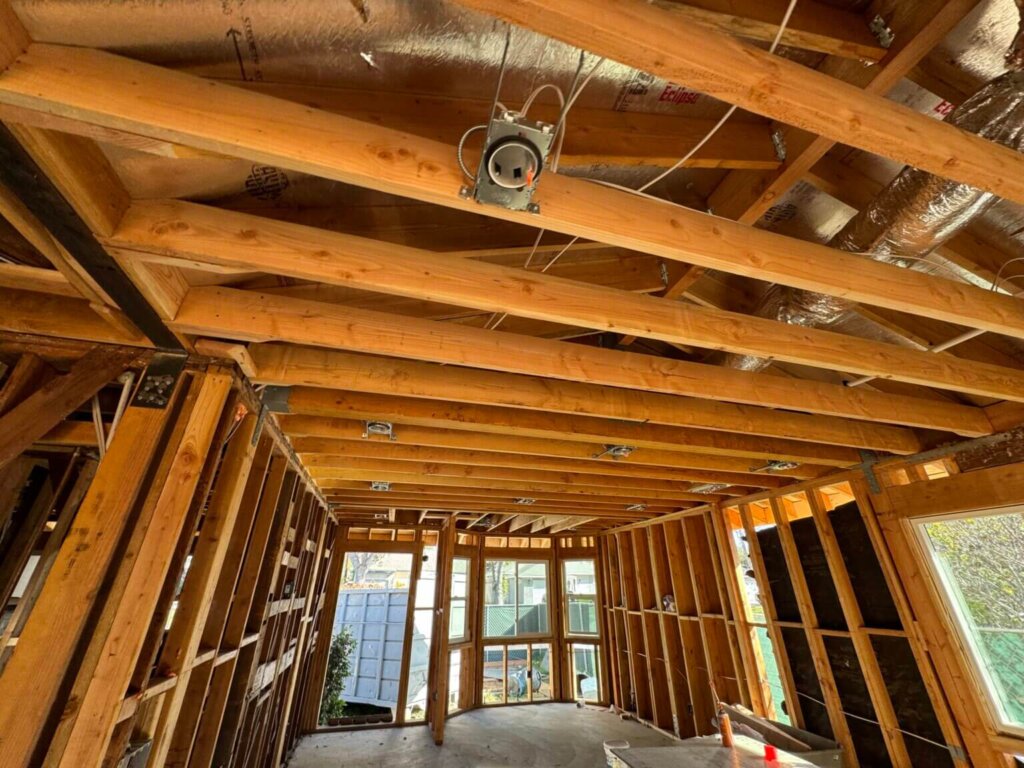
Before you start working with numbers, you need to understand the payment structure for your services. A structural engineer assesses building weight requirements and occupant and furniture loads and environmental forces to create foundation systems and framing structures and lateral support systems, which include shear walls, moment frames, and braced frames for building safety. The design process for California earthquake-resistant structures requires all structural elements to meet earthquake-resistant building codes, which determine project scope.
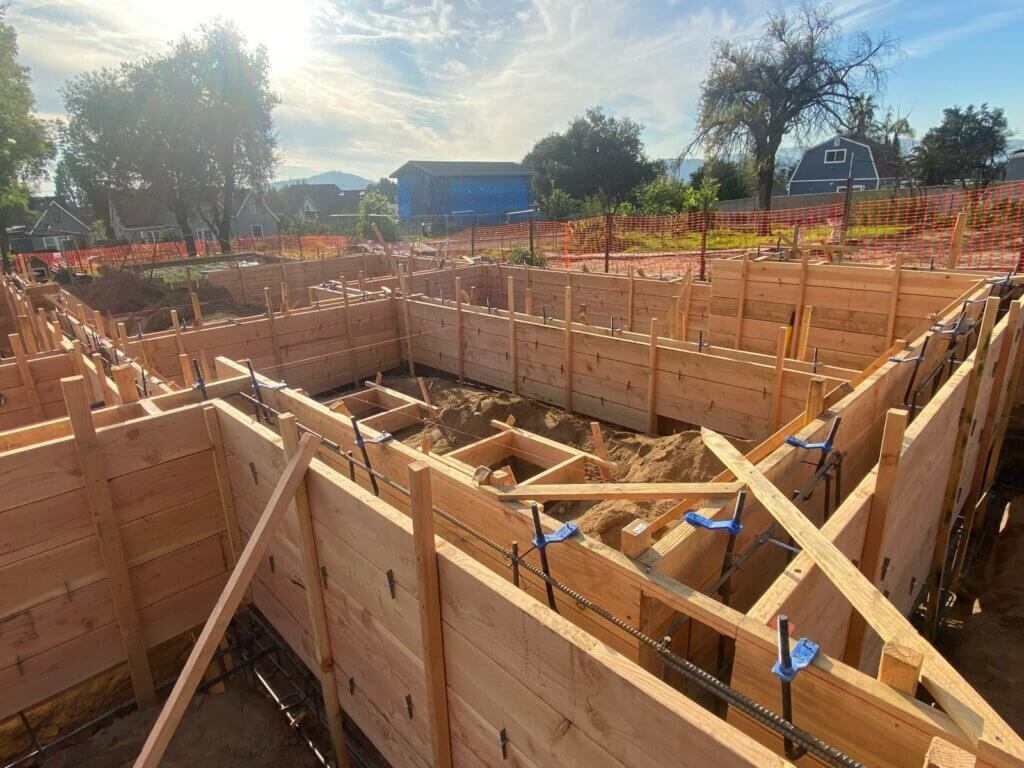
The engineer produces three main deliverables, which consist of calculation results, structural drawings, and field observations from construction sites to verify that construction work follows the initial design plans.
Typical Cost Ranges
Structural engineering service providers present their fees through three standard methods, which include flat fees, hourly charges, and construction cost percentage-based fees. The following industry benchmarks provide average ranges for projects, but each project receives its own price based on its particular requirements.
Single-family residential projects
- A simple beam calculation or point-load letter (e.g., removing one interior wall): $500–$1,500
- A room addition or moderate remodel: $2,000–$6,000
- A full custom home or major renovation: $5,000–$15,000+
- ADU structural design: $2,500–$6,000, depending on whether it’s attached, detached, or a conversion
Commercial and multi-family projects
- Tenant improvements: $3,000–$10,000
- Ground-up commercial buildings: often priced as a percentage of construction cost, commonly in the 1%–3% range, scaling down as project size increases
Fire rebuilds and post-disaster reconstruction: These often fall in similar ranges to new construction but can carry added complexity from foundation assessments, code upgrades, and coordination with insurance documentation.
Hourly rates: For consulting, forensic evaluation, or unclear scopes, engineers may bill hourly, typically $150–$300 per hour depending on the engineer’s seniority and region.
What Drives the Price Up or Down
Several factors explain why two seemingly similar projects can come with very different quotes:
- The project requires more engineering time because it includes additional square footage and extra floors and complex architectural designs with extensive spans and unsupported sections and non-standard shapes.
- Seismic and soil conditions: California requires engineers to conduct thorough lateral seismic assessments because of its established seismic zones. The need for geotechnical input arises from poor soil conditions, which leads to increased project expenses.
- Existing structure vs. new construction: The process of retrofitting an existing building demands more effort than building from scratch because engineers must first understand the existing structure.
- Level of service: A basic calculation package costs less than a full service that includes coordination with architects, MEP teams, permit processing, and construction-phase support.
- Jurisdiction: California cities and counties operate through two distinct systems, which require engineers to spend additional time for project resubmissions and correction activities.
- Timeline: Rush turnaround on fee proposals or drawings sometimes carries a premium, since it may require repriorizing other client work.
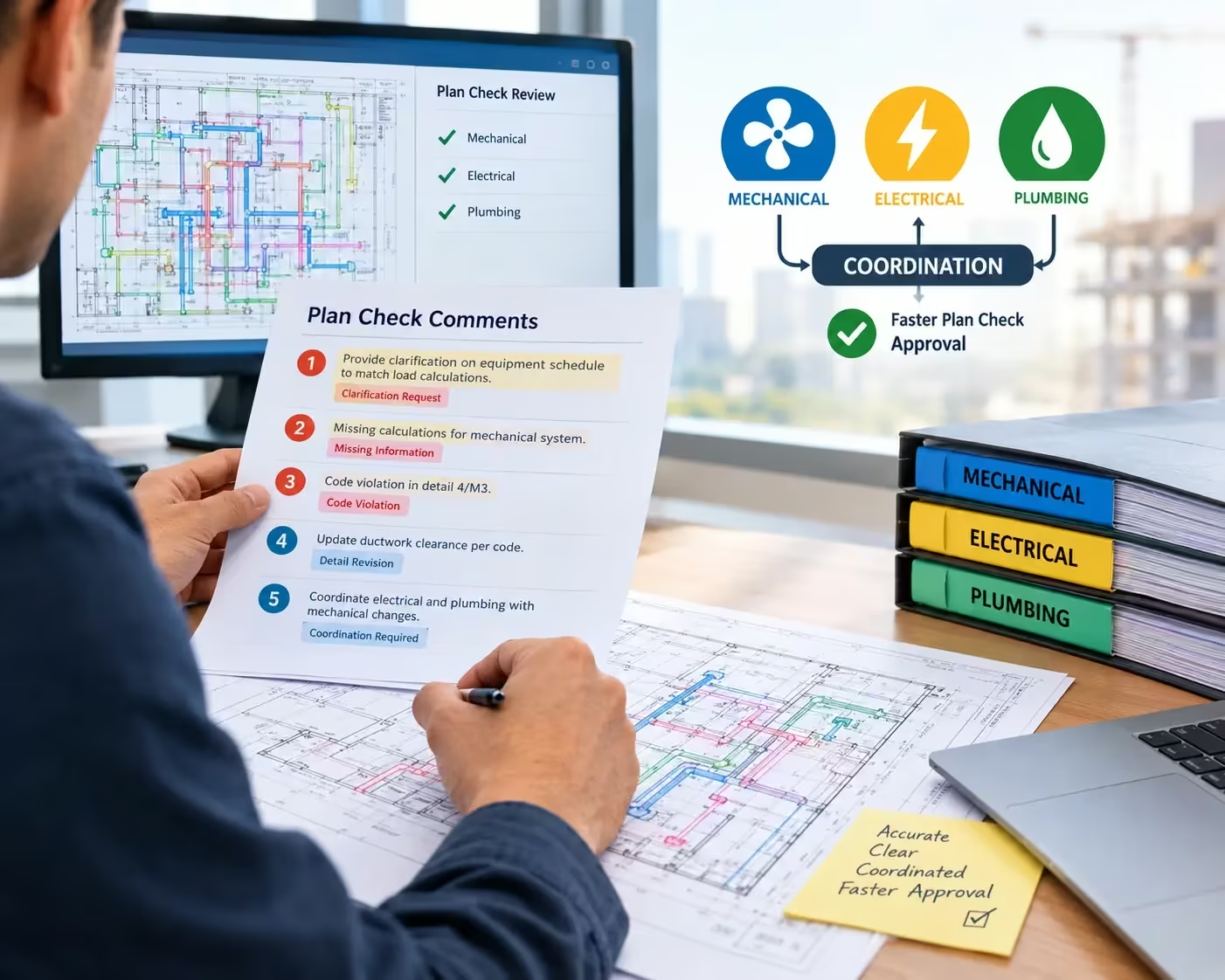
- Bundled disciplines: A single firm that handles structural work together with MEP and civil and Title 24 services provides clients with lower costs and reduced coordination expenses compared to using multiple separate consultants.
Hidden Costs to Watch For
A low initial quote isn’t always the best deal. Ask whether the fee includes:
- Revisions and plan-check corrections: Some engineers charge extra for each round of resubmittal after a building department correction notice; others include a set number of rounds.
- Field observation: Construction-phase site visits are sometimes billed separately.
- The process requires architects to work with contractors and other consultants through scheduled meetings which serve as coordination sessions.
- The project needs as-built documentation when it requires work on an existing building which lacks any available construction drawings.
Getting a clear, written scope upfront not just a dollar figure is the best way to avoid surprise invoices later.
How to Get an Accurate Quote
The most reliable way to know what your specific project will cost is to get a fee proposal based on your actual scope. To do that efficiently, have the following ready when you reach out to a structural engineer:
- Architectural drawings or sketches, even preliminary ones
- Project address and jurisdiction
- Scope description (addition, remodel, ADU, new construction, tenant improvement, etc.)
- Any known site conditions (slope, soil reports, existing foundation type)
- Your target timeline
With this information, most reputable firms can turn around a detailed fee proposal within a day or two some even within 24 hours.
Is It Worth Hiring a Structural Engineer?
A licensed structural engineer must work on all projects that need load-bearing modifications and construction of new structures and seismic strengthening according to building codes that require structural drawings with official stamps for permit approval. Structural engineering protection for your investment goes beyond meeting code requirements because it stops expensive reconstruction work, protects your structure from earthquake damage and heavy-weight failure, and provides builders with exact construction plans instead of unclear instructions.
The Bottom Line
Structural engineering expenses show substantial variations because basic wall removal projects cost several hundred dollars, yet complete custom home and commercial building construction requires spending more than twenty thousand dollars. Organizations should obtain detailed fee estimates instead of using rough cost estimates to build their budgets correctly. A specific proposal together with a detailed list of deliverables and a practical project timeline will provide you with better cost information than any standardized price range.
People who want to perform projects in California should obtain specific fee quotes from structural engineering companies to acquire precise cost estimates for their particular project requirements.