
What Is Structural Engineering: People experience benefits from this field when they admire tall buildings and cross bridges, and find protection during severe weather conditions and earthquakes because it operates in the background. Structural engineering exists as a specialized engineering field that develops building structures through its systems for structural analysis and maintenance to support weight and withstand forces throughout their operational life.
The field establishes vital principles that define contemporary society through its work to create structures that function properly while maintaining safety standards, durability, and operational efficiency. The article will explain structural engineering through its description of structural engineering tasks and its explanation of why structural engineering matters and how it affects our daily existence.
What Is Structural Engineering?
The fundamental principles of structural engineering combine scientific principles with artistic methods to create structures that handle all types of natural and constructed loads. The collection of structures consists of buildings together with bridges, towers, tunnels, dams, and offshore platforms.
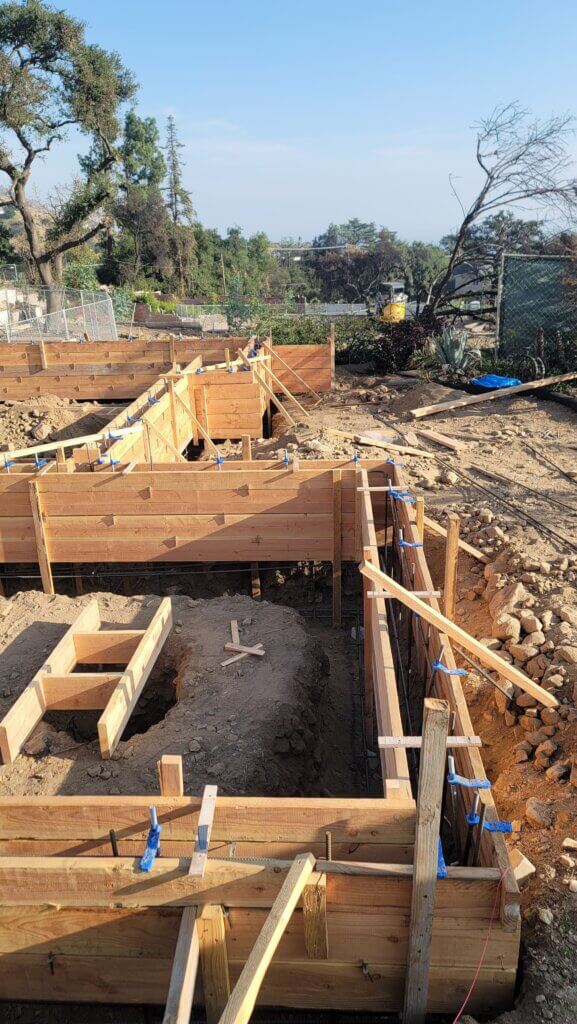
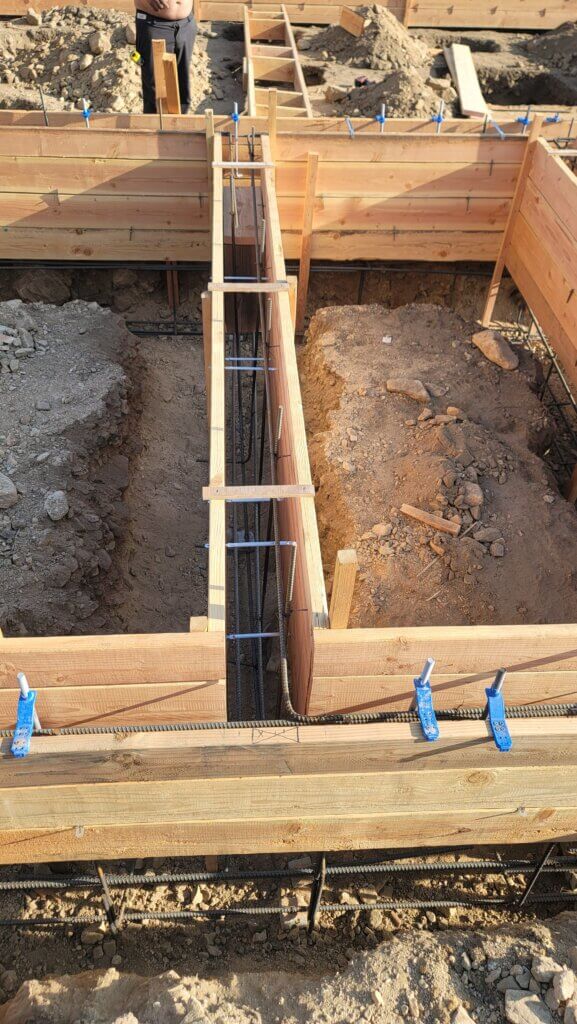
Structural engineers perform calculations to determine how various loads, including weight, wind, earthquakes, snow, and traffic, affect building structures. These systems need to move the forces through their structure until the foundation reaches the failure point. The main objective stays basic yet vital because it needs to defend human existence while achieving cost-effective material usage and maximum efficiency.
Architects direct their attention toward designing building aesthetics and spatial functionality, yet structural engineers verify these plans will function properly in actual construction environments.
The Role of a Structural Engineer
A structural engineer’s responsibilities extend far beyond basic calculations. Their work influences nearly every phase of a construction project.
Key responsibilities include:
- Analyzing forces and loads acting on structures
- Designing beams, columns, slabs, and foundations
- Selecting appropriate construction materials
- Ensuring compliance with building codes and safety standards
- Collaborating with architects, contractors, and civil engineers
- Inspecting existing structures for safety and durability
Structural engineers must balance safety, efficiency, sustainability, and cost-effectiveness. A small design decision can have significant long-term consequences, making precision and expertise essential.
Types of Structures Designed by Structural Engineers
Structural engineering develops solutions for multiple building types, which demand different architectural solutions to meet their specific needs.
Buildings
The system covers residential buildings, which include homes and apartments, together with office towers, medical facilities, and educational institutions. The engineers design these buildings to carry their own weight plus the weights of people, their furniture, and equipment.
Bridges
Bridges need to handle heavy vehicle traffic while they need to withstand the forces that wind, water flow, temperature changes, and earthquakes generate. The safety of structural engineering remains essential for its survival through time.
Industrial Structures
The operation of factories, together with warehouses and power plants, needs particular structural designs to support their heavy equipment and to absorb machine vibrations and weight concentration.
Infrastructure and Special Structures
Dams, together with tunnels, stadiums, towers, and offshore platforms, depend on structural engineering principles that have reached an advanced stage of development.
Materials Used in Structural Engineering
Understanding what structural engineering also means involves understanding the materials involved. Structural engineers choose materials based on strength, durability, cost, and environmental conditions.
Common materials include:
- Concrete: Strong in compression and widely used for foundations and slabs
- Steel: Excellent tensile strength, ideal for high-rise buildings and bridges
- Wood: Common in residential construction and sustainable design
- Masonry: Brick and stone used for walls and load-bearing elements
- Composite materials: Used in specialized and modern applications
Each material behaves differently under stress, and selecting the right one is crucial for structural safety.
Why Structural Engineering Is Important
Structural engineering directly impacts public safety and economic stability. Poor structural design can lead to catastrophic failures, property loss, and loss of life.
Here’s why structural engineering is so important:
- Safety: Prevents structural collapse and hazards
- Durability: Extends the lifespan of buildings and infrastructure
- Efficiency: Reduces material waste and construction costs
- Resilience: Protects structures from earthquakes, storms, and extreme weather
- Sustainability: Supports environmentally responsible construction
From earthquake-resistant buildings to hurricane-proof bridges, structural engineering helps communities withstand disasters and recover faster.
Structural Engineering and Modern Technology
Technology has transformed how structural engineers work. Advanced software allows engineers to model complex structures and simulate real-world forces with high accuracy.
Modern tools include:
- Finite Element Analysis (FEA) software
- Building Information Modeling (BIM) systems
- 3D modeling and digital simulations
- Structural health monitoring sensors
These tools improve accuracy, reduce errors, and allow engineers to test designs before construction begins.
Structural Engineering vs. Civil Engineering
The public wonders if structural engineering stands as an independent discipline from civil engineering. The two fields operate in related domains, yet their operational methods remain separate from each other.
Civil engineering operates as a wide-ranging field that includes the construction of roads and transportation infrastructure, water distribution systems, and environmental conservation initiatives. Structural engineering represents a particular branch that studies how to create load-bearing structures that remain secure.
Structural engineers work under the civil engineering field, but civil engineers do not need to become structural engineers.
Career Path in Structural Engineering
For those interested in this field, structural engineering offers a challenging and rewarding career.
Typical steps include:
- Earning a bachelor’s degree in civil or structural engineering
- Gaining practical experience through internships or entry-level roles
- Obtaining professional licensure
- Specializing in areas such as seismic design, bridges, or high-rise buildings
Structural engineers are in demand worldwide due to growing urbanization and infrastructure development.
Conclusion: What Is Structural Engineering?
So, what is structural engineering? Structural engineering serves as the core foundation for all building structures because this field focuses on constructing durable and safe structures which benefit human society. Structural engineering operates in the background to support all modern buildings across California and beyond, which include residential properties, commercial spaces, and large infrastructure projects such as bridges and tall buildings.
The safety of architectural designs that look stunning would not exist without the work of structural engineers. Structural engineering requires professionals to merge scientific knowledge with creative problem-solving abilities, and their work demands them to carry out their duties with complete accountability, which makes this field one of the essential worldwide professions.
If buildings fascinate you because you want to understand their structural support and infrastructure systems in California need structural engineering to exist.