The question “What is MEP in a building?” usually comes up when something goes wrong.
The air conditioning stops working in the middle of summer.
A hospital wing loses power during a storm.
A new office building looks impressive—but feels uncomfortable, noisy, or inefficient.
That’s when people realize something important: a building is only as good as its MEP systems.
MEP—Mechanical, Electrical, and Plumbing—is what turns concrete, steel, and glass into a living, functional environment. You rarely see these systems, but you feel them every moment you’re inside a building.
MEP Explained in Simple Terms
MEP stands for Mechanical, Electrical, and Plumbing. Together, these systems control:
- Temperature and air quality
- Power, lighting, and life safety
- Water supply, drainage, and sanitation
If architecture defines how a building looks, MEP defines how it performs.
A beautifully designed building with poor MEP planning can feel uncomfortable, expensive to operate, and difficult to maintain. On the other hand, a well-designed MEP system often goes unnoticed—because everything just works.
Why MEP Systems Are the Difference Between “Standing” and “Working”
From a technical standpoint, a building can stand without MEP.
From a human standpoint, it cannot function.
Imagine:
- A school without proper ventilation
- A hospital without backup power
- A residential tower without reliable water pressure
MEP systems are what allow buildings to meet modern expectations for comfort, safety, and efficiency.
They help buildings:
- Support daily human activity
- Meet strict U.S. safety and energy codes
- Control operating and maintenance costs
- Protect occupant health and wellbeing
In many projects, MEP accounts for 40–60% of construction complexity, yet it’s often discussed last—which is where problems begin.
The Three Pillars of MEP Systems
Mechanical Systems: Comfort Isn’t an Accident
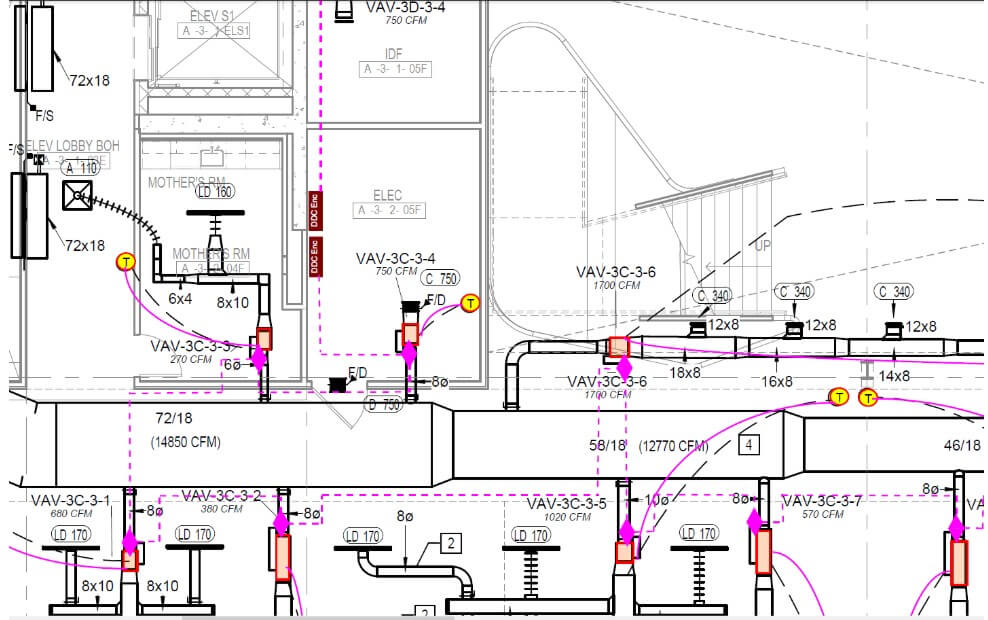
Mechanical systems are responsible for how a space feels.
They regulate temperature, airflow, humidity, and indoor air quality. In well-designed buildings, occupants don’t think about the air—they simply feel comfortable. In poorly designed ones, complaints pile up quickly.
Mechanical systems typically include:
- HVAC systems for heating and cooling
- Air handling units and ductwork
- Exhaust and ventilation systems
- Sensors, controls, and automation
In real-world projects, mechanical design decisions directly impact energy bills, noise levels, and occupant satisfaction for decades.
Electrical Systems: The Nervous System of the Building
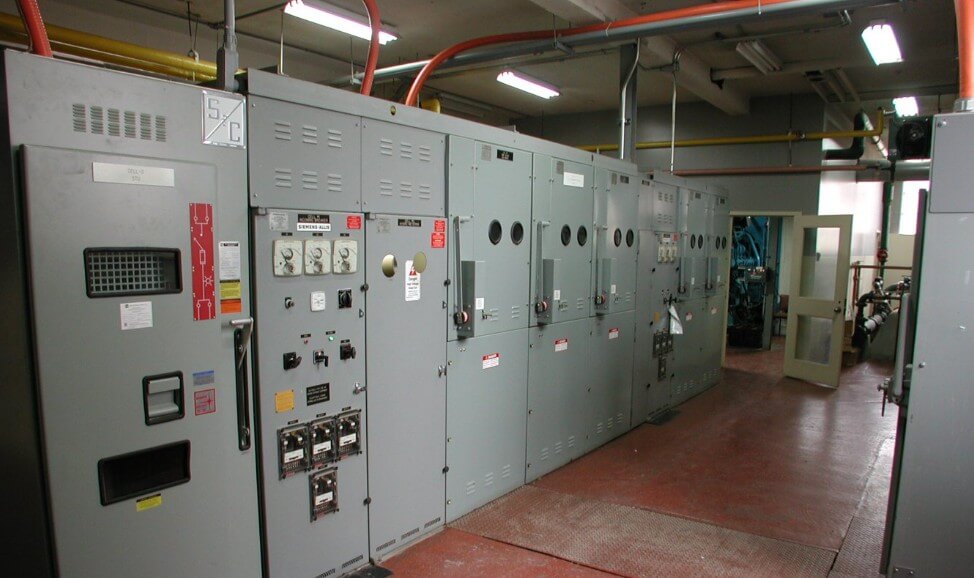
Electrical systems power everything—from lighting and elevators to data centers and medical equipment.
Beyond convenience, electrical design is about reliability and safety. A single design oversight can lead to overloads, outages, or code violations.
Key electrical components include:
- Power distribution panels and transformers
- Interior and exterior lighting systems
- Emergency generators and UPS systems
- Fire alarm and life safety infrastructure
Good electrical planning anticipates future demand, not just today’s needs.
Plumbing Systems: Health, Hygiene, and Reliability
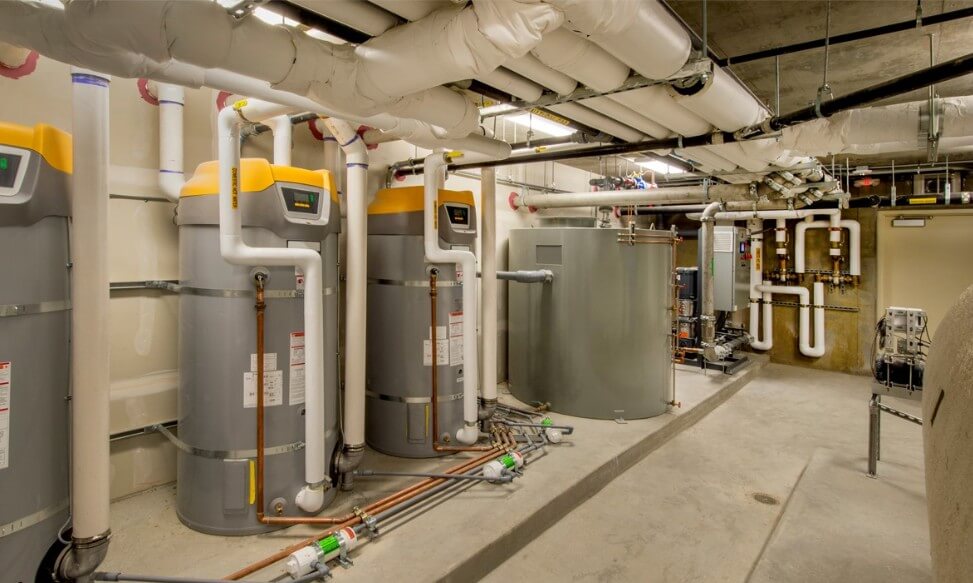
Plumbing is often underestimated—until it fails.
These systems deliver clean water, remove waste, manage stormwater, and support gas-powered equipment. In healthcare, hospitality, and residential projects, plumbing design directly affects health and operational continuity.
Core plumbing systems include:
- Domestic hot and cold water distribution
- Sanitary and storm drainage
- Gas piping systems
- Water heating and pressure control
Efficient plumbing design reduces water waste, prevents leaks, and supports long-term durability.
How MEP Systems Interact in the Real World
In theory, MEP systems are separate disciplines.
In real buildings, they are deeply intertwined.
An air handling unit needs electrical power.
Electrical rooms require cooling.
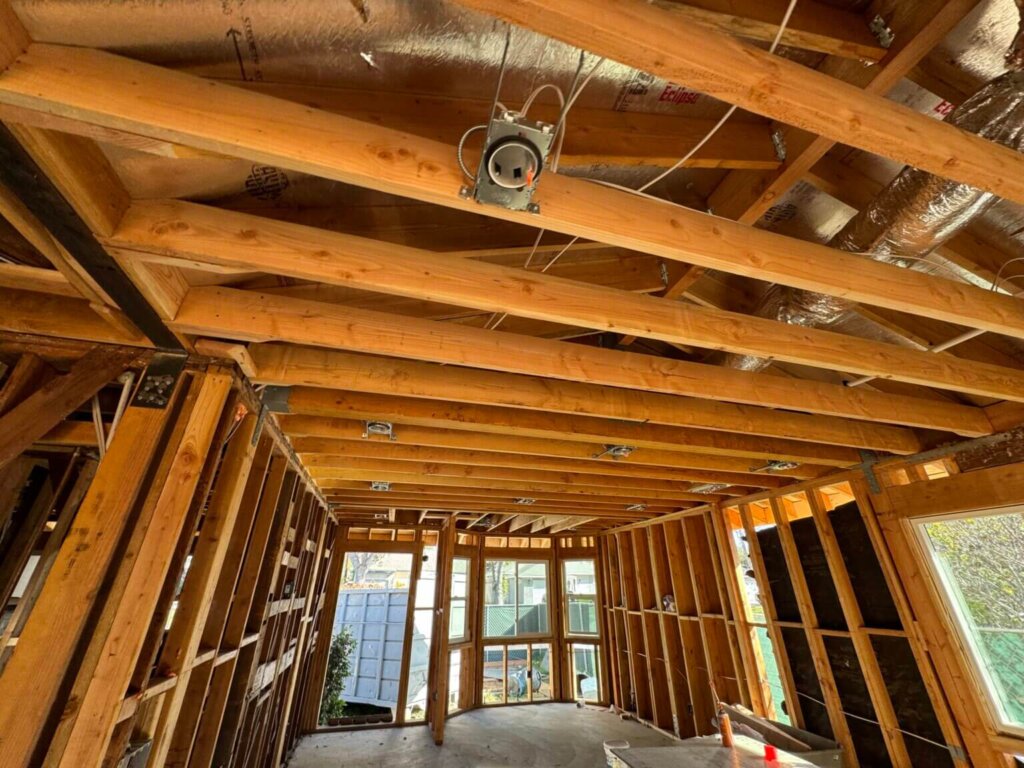
Plumbing risers must avoid ductwork and structural beams.
When coordination is poor, the result is:
- Construction clashes
- Costly field changes
- Reduced system performance
- Maintenance nightmares
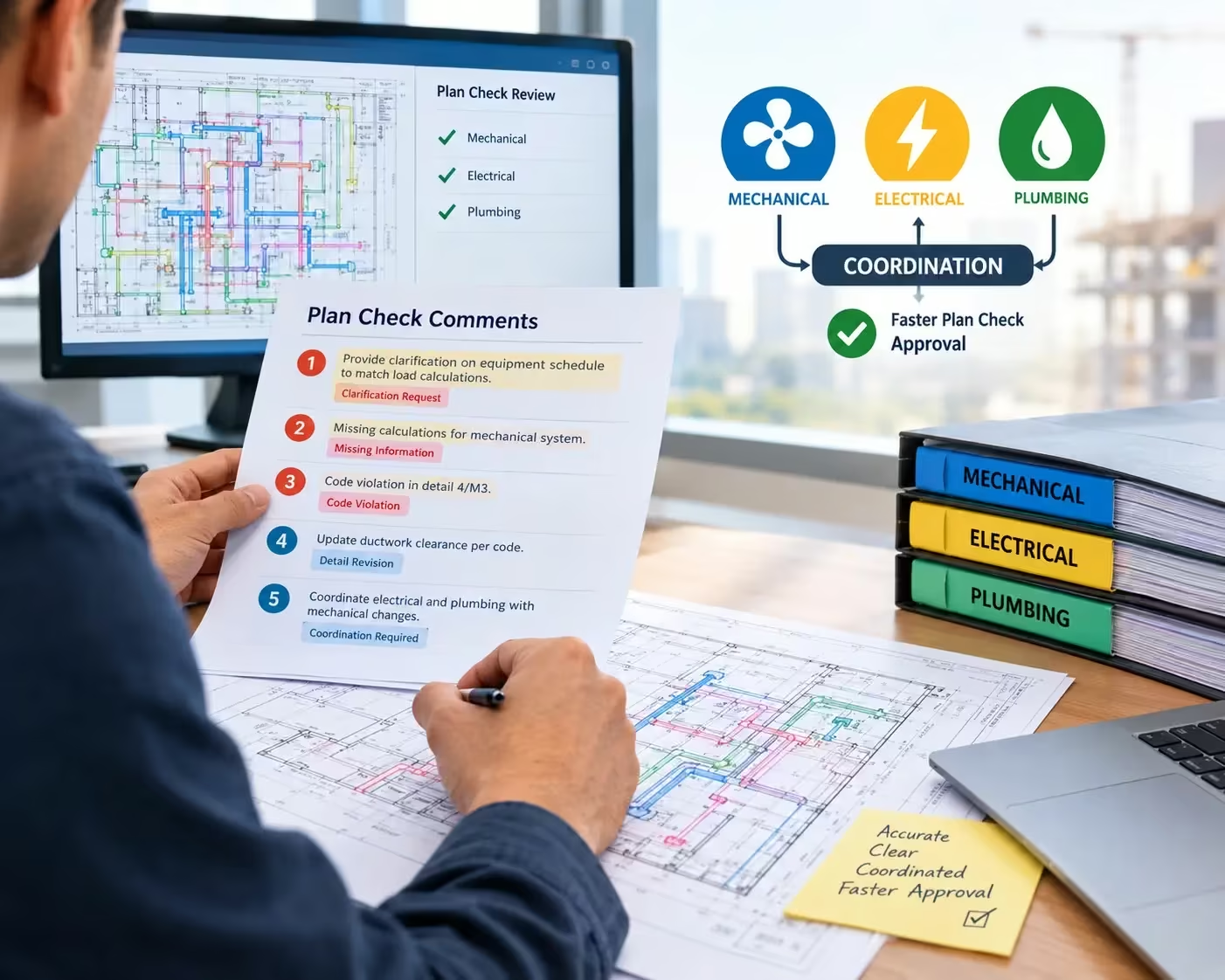
Experienced MEP teams coordinate these systems early—long before construction begins—saving time, money, and frustration.
The Role of MEP in the Design and Construction Process
MEP design isn’t just drafting—it’s strategic planning.
From the earliest concept phase, MEP engineers work alongside architects and structural teams to ensure systems fit within the building envelope and support the intended use.
Typical MEP responsibilities include:
- Load calculations and system sizing
- Equipment selection and layout
- Code and authority compliance
- Construction documentation and inspections
Projects that delay MEP decisions almost always pay for it later.
MEP and Building Codes in the United States
In the U.S., MEP systems are governed by strict national and local codes. These aren’t suggestions—they’re legal requirements tied to safety, liability, and occupancy approval.
Codes address:
- Energy efficiency and emissions
- Fire protection and life safety
- Electrical grounding and fault protection
- Plumbing sanitation and water quality
Understanding MEP means understanding how engineering, regulation, and public safety intersect.
Energy Efficiency Starts with MEP
When owners talk about sustainability, they’re really talking about MEP.
High-performance buildings rely on:
- Energy-efficient HVAC systems
- Smart lighting and controls
- Water-saving plumbing fixtures
- Integrated building automation
The right MEP strategies can reduce operating costs dramatically—often paying for themselves over time.
MEP Needs Change by Building Type
No two buildings are the same, and neither are their MEP requirements.
- Residential buildings prioritize comfort, simplicity, and reliability
- Commercial buildings demand scalability, redundancy, and advanced controls
- Healthcare facilities require continuous power, strict air quality, and specialized systems
MEP design must respond to how a building is actually used—not just how it looks on paper.
Common MEP Challenges (and Why Experience Matters)
Real-world MEP design is full of constraints:
- Limited ceiling space
- Tight construction schedules
- Conflicting systems
- Evolving energy codes
These challenges are solved not by software alone, but by experience—knowing what works, what fails, and what causes problems years down the line.
Maintenance: The Long-Term Reality of MEP Systems
Even the best-designed MEP system needs care.
Without proper maintenance:
- Energy consumption increases
- Comfort declines
- Failures become more frequent
- Compliance risks grow
Smart owners plan for maintenance during design, not after handover.
Final Perspective: What MEP Really Means in a Building
MEP is not just engineering—it’s quality of life.
It’s the reason people can work, heal, learn, and live comfortably inside modern buildings. When done right, MEP systems are invisible. When done poorly, they affect everyone.