In modern construction, buildings are no longer just concrete structures. They are complex systems designed for comfort, safety, energy efficiency, and long-term performance. One of the most critical components behind every functional building is MEP.
But many property owners, developers, and even new professionals often ask: What does MEP stand for in construction?
In this guide, we’ll explain the meaning of MEP, its role in the construction industry, and why it is especially important in California, where strict energy codes and sustainability regulations shape building design.
What Does MEP Stand For?
MEP stands for:
- Mechanical
- Electrical
- Plumbing
These three engineering disciplines work together to create a building that is safe, comfortable, and operational.
MEP systems form the core infrastructure of any structure. Without them, buildings would lack heating, cooling, lighting, water supply, drainage, and electrical power.
Overview of MEP Systems
Mechanical Systems
Mechanical systems primarily deal with heating, ventilation, and air conditioning (HVAC). These systems regulate indoor temperature, air quality, and humidity.
Key components include:
- Air conditioning units
- Heating systems
- Ventilation ducts
- Exhaust systems
- Chillers and boilers
Mechanical systems are especially important in California, where climate zones vary from coastal mild weather to hot inland regions. Proper HVAC design ensures energy efficiency and comfort year-round.
Electrical Systems
Electrical systems provide power, lighting, and communication infrastructure within a building.
Common electrical components:
- Power distribution systems
- Electrical panels
- Lighting systems
- Backup generators
- Security and fire alarm systems
- Data and communication wiring
In California, electrical systems must comply with strict energy codes, including Title 24, which regulates lighting efficiency, controls, and energy usage.
Plumbing Systems
Plumbing systems manage the water supply, drainage, and sanitation of a building.
Major plumbing components:
- Water supply lines
- Drainage and waste systems
- Stormwater systems
- Gas piping
- Fixtures such as sinks, toilets, and showers
California’s plumbing design must also consider:
- Water conservation
- Drought regulations
- Sustainable building practices
Why MEP Is Important in Construction
MEP systems are not just technical add-ons. They are essential to a building’s functionality, safety, and efficiency.
1. Building Functionality
MEP systems make a building usable by providing:
- Electricity for lighting and equipment
- Heating and cooling
- Clean water supply
- Proper waste disposal
Without MEP systems, a building would be uninhabitable.
2. Energy Efficiency
In California, energy performance is a top priority. MEP design plays a major role in:
- Reducing energy consumption
- Meeting green building standards
- Lowering operational costs
Efficient HVAC systems, LED lighting, and smart controls all contribute to sustainable construction.
3. Code Compliance
California has some of the strictest building regulations in the United States. MEP engineers ensure compliance with:
- Title 24 energy codes
- California Building Code (CBC)
- Local municipal regulations
Proper MEP planning helps avoid costly redesigns, delays, and permit issues.
4. Safety and Comfort
MEP systems protect occupants by providing:
- Fire alarm systems
- Emergency lighting
- Proper ventilation
- Safe water systems
These systems also improve indoor comfort and air quality.
MEP in the California Construction Industry
California is known for its progressive building standards and sustainability goals. MEP engineering plays a crucial role in meeting these requirements.
Title 24 Energy Compliance
Title 24 is California’s energy efficiency standard for buildings. It regulates:
- Lighting power density
- HVAC efficiency
- Building envelope performance
- Control systems
MEP engineers must design systems that meet or exceed these standards.
Sustainable and Green Building Practices
California promotes:
- Net-zero energy buildings
- Solar integration
- Energy-efficient HVAC
- Water-saving plumbing fixtures
MEP systems are at the center of these sustainable solutions.
Climate-Responsive Design
California has multiple climate zones. MEP design must adapt to:
- Coastal climates
- Desert heat
- Mountain regions
- Urban environments
This requires careful planning of HVAC, insulation, and energy systems.
The Role of MEP Engineers
MEP engineers are responsible for designing, coordinating, and overseeing the installation of building systems.
Their responsibilities include:
- System design and calculations
- Energy modeling
- Code compliance checks
- Coordination with architects and structural engineers
- Construction support
- Commissioning and testing
They ensure that all building systems work together efficiently.
MEP Coordination in Construction Projects
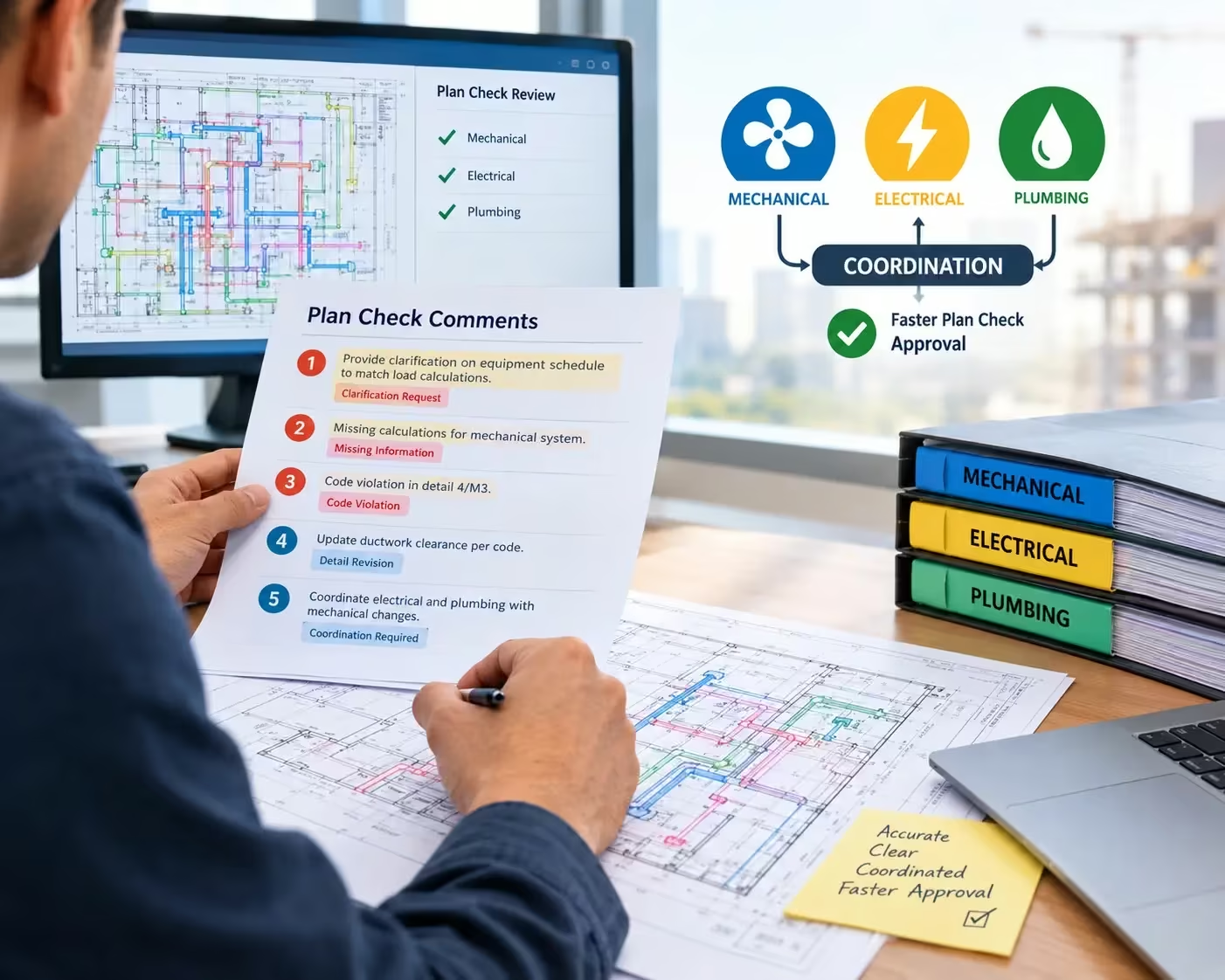
Modern buildings contain complex systems that must fit within limited space. MEP coordination ensures that:
- Ducts, pipes, and cables do not clash
- Systems are installed efficiently
- Maintenance access is available
In California, many projects use BIM (Building Information Modeling) to coordinate MEP systems digitally before construction begins.
Types of Buildings That Require MEP Systems
Almost every type of building relies on MEP engineering, including:
Residential Buildings
- Single-family homes
- Apartment complexes
- Condominiums
Commercial Buildings
- Offices
- Retail spaces
- Restaurants
- Hotels
Industrial Facilities
- Warehouses
- Manufacturing plants
- Data centers
Institutional Buildings
- Schools
- Hospitals
- Government buildings
Each building type requires different MEP solutions based on usage and occupancy.
Common Challenges in MEP Construction
MEP systems can present several challenges during construction:
1. Space Constraints
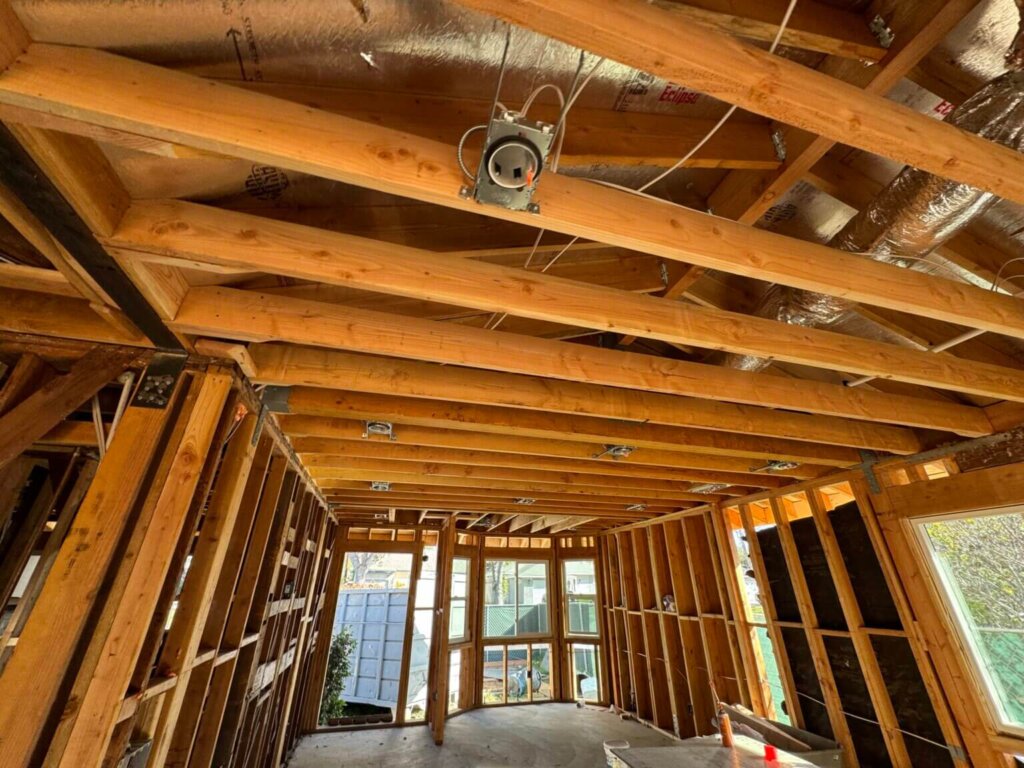
Mechanical ducts, electrical conduits, and plumbing pipes all compete for space within ceilings and walls.
2. Code Compliance
California’s strict regulations require precise planning and documentation.
3. Coordination Issues
Poor coordination between disciplines can lead to:
- System clashes
- Construction delays
- Increased costs
4. Energy Efficiency Requirements
Designers must balance performance, cost, and sustainability goals.
Benefits of Professional MEP Engineering
Hiring experienced MEP professionals provides several advantages:
- Improved energy efficiency
- Lower operating costs
- Faster permit approvals
- Better system performance
- Reduced construction risks
- Long-term reliability
In California’s competitive construction market, professional MEP design is essential for successful projects.
Future Trends in MEP Engineering
The MEP field is evolving rapidly, especially in California.
Key trends include:
- Net-zero energy buildings
- Smart building automation
- Renewable energy integration
- High-efficiency HVAC systems
- Water recycling systems
- Electrification of building systems
These innovations aim to create more sustainable and efficient buildings.
Conclusion
So, what does MEP stand for in construction?
MEP refers to Mechanical, Electrical, and Plumbing systems—the essential infrastructure that makes buildings functional, safe, and energy-efficient.
In California MEP engineering plays an even more critical role due to strict energy codes, sustainability goals, and climate-specific design requirements. From HVAC systems to electrical distribution and water supply, MEP systems form the backbone of modern construction.
Whether it’s a residential home, commercial office, or industrial facility, proper MEP design ensures compliance, efficiency, and long-term performance.