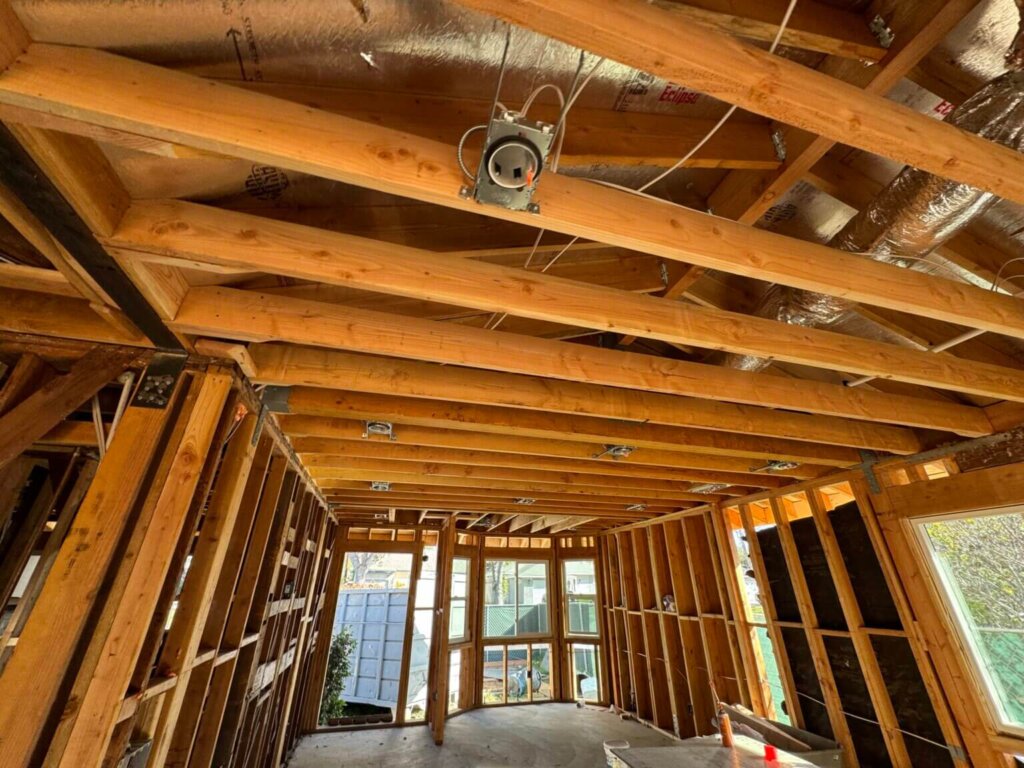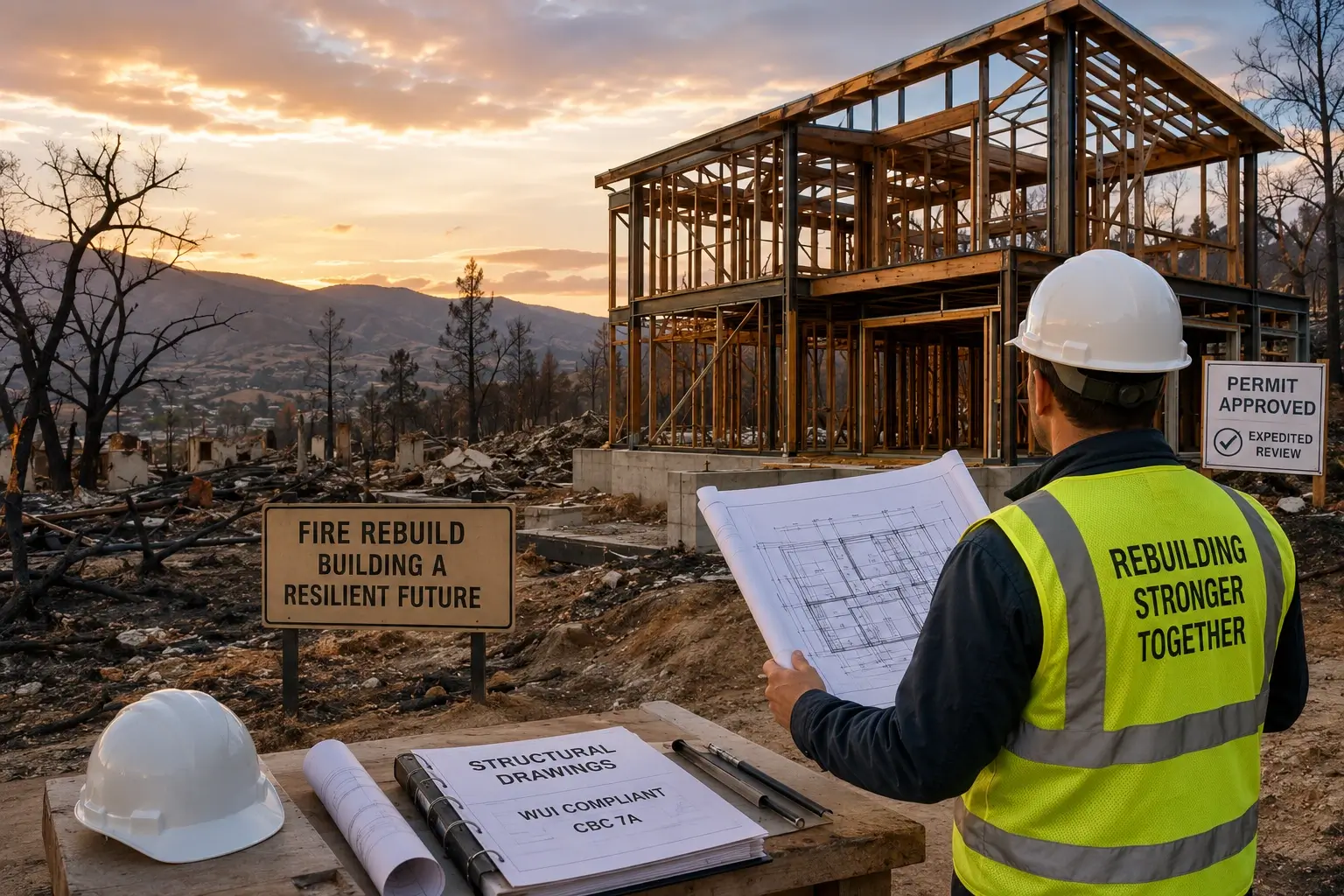
A building service engineer plays a vital role in designing, planning, and maintaining the systems that make buildings safe, comfortable, and energy efficient. These professionals maintain critical building services which operate in modern structures that include offices, hospitals, schools, hotels, and industrial facilities. A building service engineer needs to operate every building because they maintain all systems which provide heating and cooling, deliver electricity and clean water, and maintain proper ventilation.
Building service engineers merge their technical skills with hands-on problem-solving abilities to develop spaces which comply with building regulations, achieve environmental targets and create better living conditions for people inside buildings. The team starts their work at the design stage before they take on construction duties, and after that they manage the commissioning phase and the system’s ongoing maintenance needs.
What Is a Building Service Engineer?
A building service engineer takes charge of designing systems which they also manage through coordination to deliver engineering solutions for building interiors. The systems consist of heating and ventilation and air conditioning (HVAC), electrical distribution, plumbing, fire protection, lighting, and energy management.
Building service engineers focus on operational building systems which serve daily needs of building occupants, while structural engineers work to maintain building strength and stability. The architects aim to develop buildings which achieve safety standards while operating correctly and staying within budget, and showing environmental responsibility.
Building service engineers maintain proper operation of all essential systems which they oversee for commercial offices, healthcare facilities, educational institutions, manufacturing plants, and residential developments.
What Does a Building Service Engineer Do?
The responsibilities of a building service engineer vary depending on the project, but typically include:
- Designing HVAC, plumbing, and electrical systems
- Performing heating and cooling load calculations
- Preparing engineering drawings and technical specifications
- Coordinating with architects, structural engineers, and contractors
- Ensuring compliance with local building codes and safety regulations
- Improving building energy efficiency
- Selecting mechanical and electrical equipment
- Supporting construction and commissioning activities
- Inspecting completed installations
- Solving engineering challenges during construction
Because every building has unique requirements, building service engineers customize their designs based on occupancy, climate, building size, energy goals, and operational needs.
Building Service Engineer and MEP Engineering
Building services engineering operates under the name MEP engineering which stands for Mechanical, Electrical, and Plumbing engineering. The three disciplines unite their efforts to develop indoor spaces which provide both comfort and efficiency.
Mechanical Engineering
Mechanical engineering focuses primarily on HVAC systems. A building service engineer designs heating and cooling systems that maintain indoor comfort throughout the year.
Mechanical systems include:
- Air conditioning
- Heating systems
- Ventilation
- Exhaust systems
- Chillers
- Boilers
- Heat pumps
- Energy recovery systems
- Air handling units
Proper HVAC design improves indoor air quality while reducing operating costs.
Electrical Engineering
Electrical systems power every part of a building. Building service engineers design reliable electrical infrastructure that supports daily operations while meeting safety standards.
Electrical systems include:
- Power distribution
- Lighting systems
- Emergency backup power
- Fire alarm systems
- Security systems
- Data and communication cabling
- Electrical panels
- Switchgear
Modern electrical designs also incorporate renewable energy sources such as solar power and battery storage.
Plumbing Engineering
Plumbing engineering manages the movement of water, wastewater, and gas throughout a building.
Typical plumbing systems include:
- Domestic water supply
- Hot water systems
- Sanitary drainage
- Stormwater drainage
- Natural gas piping
- Medical gas systems
- Grease waste systems
Efficient plumbing design improves water conservation while ensuring reliable service.
Why HVAC Is So Important
The building system of HVAC produces the most powerful effects which determine how people experience comfort in their indoor environment. A building service engineer performs precise calculations to determine heating and cooling requirements which help them select appropriate equipment.
These calculations consider factors such as:
- Building orientation
- Floor area
- Ceiling height
- Insulation levels
- Window size
- Local climate
- Number of occupants
- Internal heat gains
Correct equipment sizing prevents excessive energy consumption while maintaining comfortable indoor temperatures.
The wrong HVAC layout creates temperature imbalances which lead to expensive power bills and high moisture levels and repeated equipment breakdowns.
Skills Every Building Service Engineer Needs
Successful building service engineers possess a combination of technical knowledge and practical skills.
Important skills include:
- Mechanical engineering principles
- Electrical system design
- Plumbing design
- HVAC calculations
- CAD and BIM software
- Energy modeling
- Building code compliance
- Project management
- Communication skills
- Problem-solving ability
Many engineers also stay current with sustainable building technologies and smart building automation systems.
Sustainable Building Design
Today’s construction industry places a strong emphasis on sustainability. A building service engineer plays a key role in reducing energy consumption and lowering carbon emissions.
Energy-efficient design strategies include:
- High-efficiency HVAC equipment
- LED lighting systems
- Smart building controls
- Renewable energy integration
- Water-saving plumbing fixtures
- Heat recovery ventilation
- Building automation systems
These improvements reduce operating costs while supporting environmental goals and green building certifications.
Working with Other Engineering Professionals
Building service engineers collaborate closely with several other professionals throughout a project.
These include:
- Architects
- Structural engineers
- Civil engineers
- Interior designers
- Contractors
- Project managers
- Facility managers
Early coordination helps prevent design conflicts, reduces construction delays, and improves overall project quality.
Career Opportunities for Building Service Engineers
Demand for qualified building service engineers continues to grow as buildings become more advanced and energy-efficient.
Career opportunities include:
- Consulting engineering firms
- Construction companies
- Government agencies
- Healthcare organizations
- Manufacturing facilities
- Universities
- Property management companies
- Design-build contractors
Many professionals eventually specialize in HVAC design, energy consulting, sustainability, commissioning, or smart building technology.
Why Building Service Engineers Are Essential
Modern buildings use sophisticated engineering systems which need to operate as a unified system without any operational problems. The building service engineer takes responsibility for creating these systems while performing their installation and testing and maintenance activities.
Their expertise creates better comfort for building occupants while protecting public safety, reducing energy usage, and ensuring projects meet all required building codes. The investment in skilled building service engineers leads to lower maintenance expenses which results in higher property values during the entire lifespan of the building.
Frequently Asked Questions
What is a building service engineer?
A building service engineer creates and oversees the mechanical, electrical, plumbing, HVAC, and energy systems which operate buildings with safety and efficiency.
Is a building service engineer the same as an MEP engineer?
Yes. In many countries, building service engineers are commonly referred to as MEP engineers because they focus on Mechanical, Electrical, and Plumbing systems.
What qualifications does a building service engineer need?
Most building service engineers hold a bachelor’s degree in mechanical, electrical, or building services engineering. Professional certifications and industry experience are also valuable.
What industries hire building service engineers?
Building service engineers operate across commercial construction, healthcare, education, and manufacturing, government facilities, hospitality establishments, and residential building projects.
Why are building service engineers important?
They maintain buildings through their entire life cycle by providing comfortable environments which also deliver energy efficiency and safety standards and code compliance and sufficient support for occupant needs.
Conclusion
Modern construction depends on building service engineers to serve as its fundamental professional workforce. Their work includes designing HVAC systems and electrical infrastructure and managing plumbing networks and enhancing energy efficiency which directly affects building performance.
The building service engineer needs to learn new skills because the field demands sustainability and smart technology and energy efficiency. The team of professionals develops buildings which protect occupants through their safe design while maintaining operational efficiency and long-term reliability.
The team of professionals develops buildings which protect occupants through their safe design while maintaining operational efficiency and long-term reliability.