Difference Between MEP and HVAC: People who have worked on construction projects at any time, including building owners, contractors, and engineers, must understand the meaning of MEP and HVAC terms. The two acronyms belong to the same field, but each represents a distinct concept which people should know. The construction industry, together with engineering and facilities management teams, needs to understand the difference between these two concepts.
What Does MEP Stand For?
The acronym MEP represents the three core building systems, which include Mechanical systems, Electrical systems, and Plumbing systems. The construction and engineering sector uses this expansive term to identify three essential building systems that establish operational buildings that provide safety and comfort to their residents.
- The building environment receives its control through mechanical systems, which include heating, ventilation, and air conditioning equipment and other mechanical components.
- The electrical systems contain all elements that power distribution, lighting, fire alarms, data cabling, and other electrical systems require for operation.
- The plumbing system consists of three main components, which include clean water distribution, waste water drainage, gas piping, and fire protection systems.
The field of MEP engineering operates by creating system plans which developers use to produce detailed designs while engineers maintain full control over the operation of all three systems. MEP engineers take responsibility for projects which include building small houses and constructing large commercial structures and medical facilities and airport buildings and industrial manufacturing facilities. The team members handle system development through their role to produce efficient designs which follow building codes and maintain system compatibility with architectural and structural elements.
What Does HVAC Stand For?
The acronym HVAC stands for Heating, Ventilation, and Air Conditioning. The term describes the specific systems that control building temperature and humidity levels and maintain proper air quality.
- The process of heating requires boilers and furnaces, heat pumps, and radiant systems to deliver warmth to rooms.
- Ventilation systems supply fresh air to buildings while they remove contaminated air and maintain proper indoor air quality standards.
- Air Conditioning systems use chillers, split units, and central air systems to cool indoor spaces while removing moisture from the air.
HVAC is a specialized field that focuses exclusively on climate management and indoor air quality maintenance. The training programs for HVAC technicians, engineers, and contractors teach them how to create, set up, preserve, and fix these systems.
The Key Difference: Scope
The primary difference that separates MEP from HVAC systems exists in their operational range.
HVAC systems exist as a part of the MEP system. The MEP framework contains HVAC systems under its Mechanical component, which is represented by the letter “M”. The HVAC system focuses on temperature control and air quality maintenance, but MEP systems cover all building systems, which include electrical infrastructure and plumbing networks.
The entire HVAC system exists inside MEP, but MEP contains other systems that do not belong to HVAC.
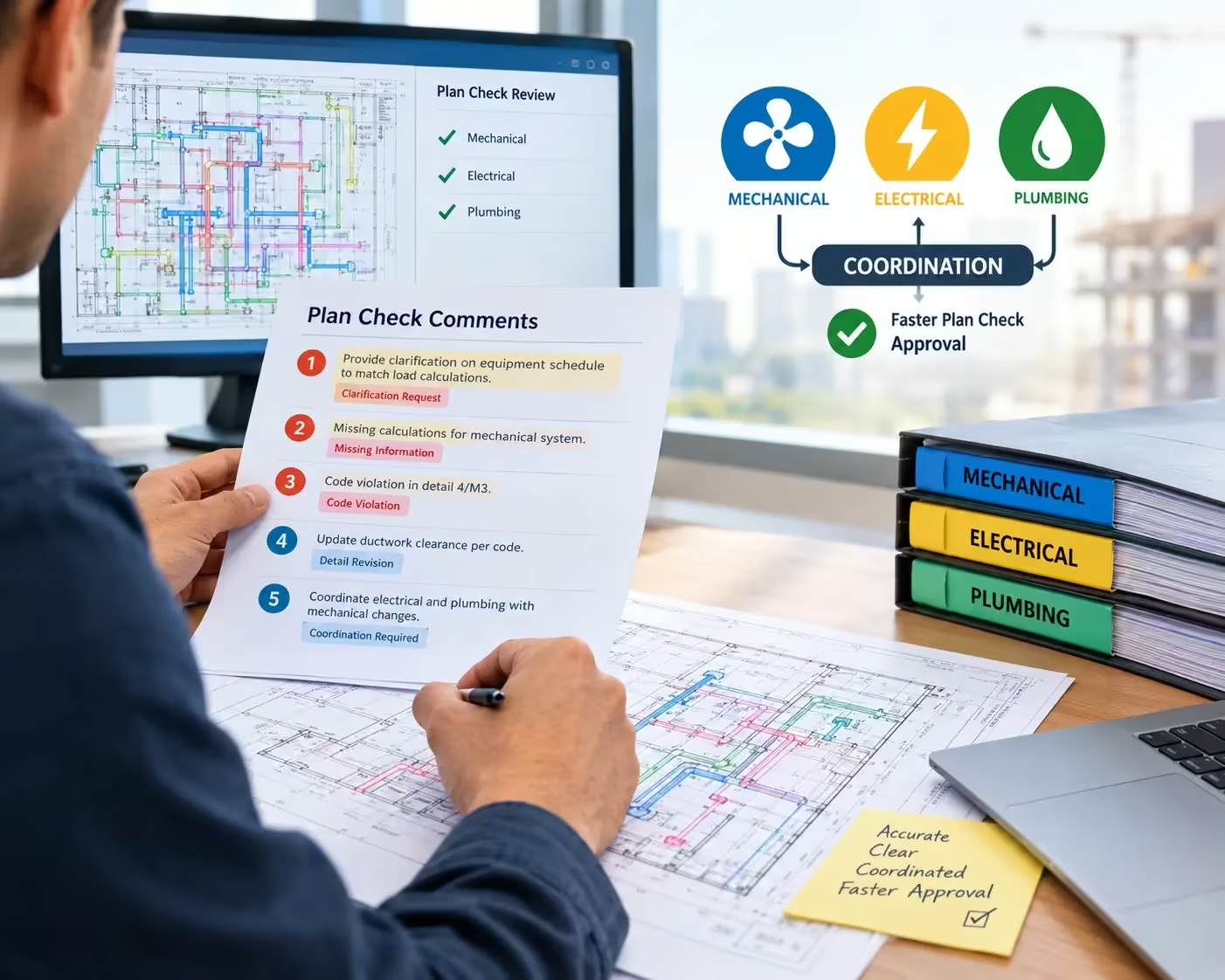
An MEP engineer who designs building systems will create a complete system that links mechanical systems to electrical systems and plumbing systems. The operation of HVAC systems depends on electrical power, which runs their compressors, fans, and control panels. The plumbing system delivers water to HVAC equipment through its ability to provide both chilled and hot water. The three disciplines need to work together because their separate operations will cause problems during construction and maintenance activities.
Roles and Responsibilities
MEP Engineers work as single professionals or group units who handle the coordinated design process for every system within their scope. Large projects need various engineers to handle each MEP sub-discipline because mechanical engineering and electrical engineering and plumbing engineering operate as separate fields under the MEP umbrella. MEP engineers begin their work at the initial design stage through which they create detailed drawings and perform load calculations and select equipment and collaborate with architects and structural engineers.
The HVAC Technicians and Engineers team focuses its work on climate control systems, which operate as its main responsibility. The workers can join an MEP company to work as HVAC contractors, or they can choose to function independently. Their duties require them to identify suitable HVAC systems that fulfill building needs, and they must determine correct duct and pipe dimensions, maintain air exchange standards, and they need to activate and support systems following their setup.
Where Each Term Is Used
The term MEP is commonly used in design, planning, and project management contexts. Architects and BIM teams and project teams and construction teams all use this term during their meetings about building information modeling. Modern construction requires MEP coordination as a core activity because BIM software enables users to create virtual models which identify conflicts between disciplines before actual construction work starts.
The term HVAC functions as the standard language which people use to describe installation work and maintenance activities and operational activities. Facility managers discuss HVAC systems through their work of servicing air conditioning units and replacing filters and working on heating system troubleshooting. Homeowners need to contact an HVAC service provider when their air conditioning system stops working. Building operators monitor HVAC performance to control energy consumption and maintain occupant comfort.
Why the Distinction Matters
Understanding the difference between MEP and HVAC matters for several practical reasons.
You must understand which professional to hire between MEP engineers and HVAC specialists when you start the hiring process. Construction projects require an MEP team to handle their initial stages. An HVAC technician will handle the maintenance of your current air conditioning system.
The budget process includes MEP expenses which cover more than what HVAC systems require. The two terms create confusion which results in wrong cost estimates and wrong descriptions of project boundaries.
Regulators conduct their assessment of building permits and code compliance by evaluating MEP systems as unified systems. Building owners together with project managers can handle approval processes better when they realize HVAC systems function as part of a larger system.
Conclusion
In summary, MEP is the overarching framework that governs three essential building systems mechanical, electrical, and plumbing while HVAC is specifically the mechanical system responsible for heating, ventilation, and air conditioning. The HVAC system exists as a vital complex element within MEP but it forms only a small portion of the overall system.
The relationship between MEP and HVAC systems becomes clear to you when you work on new construction projects and maintain existing facilities and study building operations. Both disciplines operate at different levels of specialization and scope but they remain essential for their respective fields.