What does a structural engineer do? A structural engineer designs, analyses, and inspects the parts of a building that carry load, such as beams, columns, walls, and foundations. Their work keeps a structure safe and stable under gravity, wind, earthquakes, and everyday use across its whole life.
What Structural Engineers Do: A Simple Overview
A structural engineer makes sure a building can stand up safely. They calculate the loads a structure will carry, choose the right materials and sizes for each part, and produce the drawings a contractor builds from. They also inspect existing buildings and report on whether the structure is sound.
Every structure has to resist forces pushing and pulling on it every day. Working out how those forces travel through a building, and making sure nothing fails along the way, is the heart of what structural engineering covers.
So when someone asks what does a structural engineer do, the shortest honest answer is this: they make sure the forces acting on a building have a safe path to the ground.
Forces a structural engineer designs for
| Force | What it means |
|---|---|
| Dead load | The permanent weight of the building itself, including framing, floors, and roofing |
| Live load | Changing weight from people, furniture, and equipment |
| Wind | Pressure and suction on walls and roofs during storms |
| Seismic | Side to side shaking during an earthquake, a major factor in California |
| Snow and rain | Weight that builds up on roofs, plus water that pools if drainage fails |
| Temperature and settlement | Materials expanding, contracting, and ground moving under the foundation |
A structural engineer runs the numbers for all of these together, not one at a time. A roof that handles snow fine may still fail under wind uplift, so every load case has to be checked against the same design.
Structural Engineer Duties and Responsibilities
The core structural engineer duties and responsibilities are design, calculation, code compliance, documentation, and inspection. Most engineers split their week between office work on drawings and calculations, and site visits to check that the build matches the approved design.
Here is what those duties look like in practice.
| Duty | What it involves | Why it matters |
|---|---|---|
| Structural design | Sizing beams, columns, slabs, walls, and foundations | Decides whether the building can carry its loads at all |
| Load calculations | Working out how forces travel from the roof down to the ground | Finds weak points before anything is built |
| Material selection | Choosing between steel, concrete, timber, or a mix | Balances strength, cost, and buildability |
| Code compliance | Applying local, state, and national building codes | Required for permit approval and legal sign off |
| Drawings and documentation | Producing stamped structural drawings and calculation packages | This is the deliverable a contractor builds from |
| Coordination | Working with architects, contractors, and other engineers | Keeps the design buildable as it changes |
| Site inspection | Checking that construction matches the approved drawings | Catches errors while they are still cheap to fix |
| Risk management | Identifying failure points and adding safety margins | Protects people, property, and the client from liability |
These duties do not all happen at once. Early in a project the work is mostly calculation and drawing. Once the permit is issued, the balance shifts toward answering contractor questions and visiting the site. On a typical residential job an engineer might spend two weeks on design and then stay involved for months, checking work as it goes up.
Risk management runs through all of it. Sites bring problems that no drawing predicts, such as soft ground, a hidden pipe run, or a wall that turns out to be load bearing after demolition starts. A structural engineer builds in redundancy so that one surprise does not put the whole structure at risk, and adjusts the design when site conditions change.
The documentation side matters more than most people expect. A stamped drawing set is a legal document. It tells the building department the design was checked by a licensed professional, and it tells the contractor exactly what to build. If the drawings are wrong or unclear, the mistake gets built.
What is the main role of a structural engineer?
The main role of a structural engineer is public safety. Every calculation, drawing, and inspection exists to make sure a building does not fail while people are inside it. Design efficiency and cost control matter, but they always sit below safety in the order of priorities.
What Services Does a Structural Engineer Provide?
A structural engineer provides design services, assessment services, and documentation for permits. The most common requests are structural drawings for a new build or addition, a load bearing wall assessment, a foundation design, and a written inspection report.
| Service | Who usually needs it | When it is needed |
|---|---|---|
| Structural design and stamped drawings | Homeowners, architects, developers | New builds, additions, ADUs |
| Load bearing wall assessment | Homeowners, contractors | Before removing or opening up a wall |
| Foundation design | Builders, homeowners | New construction or foundation replacement |
| Seismic retrofit evaluation | Homeowners, property managers | Older homes and soft story buildings in California |
| Structural inspection report | Home buyers, sellers, insurers | Visible damage, or before a purchase closes |
| As built assessment | Owners of older properties | No original drawings exist |
| Peer review | Developers, cities | A second opinion on someone else’s design |
| Permit support letters | Anyone pulling a permit | The building department asks for engineer sign off |
These services fall into two broad groups. Design services create something new, such as drawings for an addition or a beam to replace a wall. Assessment services examine something that already exists and report on its condition, such as an inspection after storm damage or a review of an older foundation.
Most projects need one or the other, not both. A home buyer worried about a crack needs an assessment. A homeowner building an ADU needs design. A homeowner who finds a problem during an assessment then moves into design for the repair.
Not every job needs the full package either. A single stamped letter confirming a wall can be removed is a common request and takes far less work than a full design set. Most firms offering structural engineering services will scope the job to what the permit actually requires, which keeps the cost down.
If you are not sure which you need, describe the situation to the engineer before asking for a quote. The scope, not the building size, drives the price.
What Do Structural Engineers Do on Residential Projects?
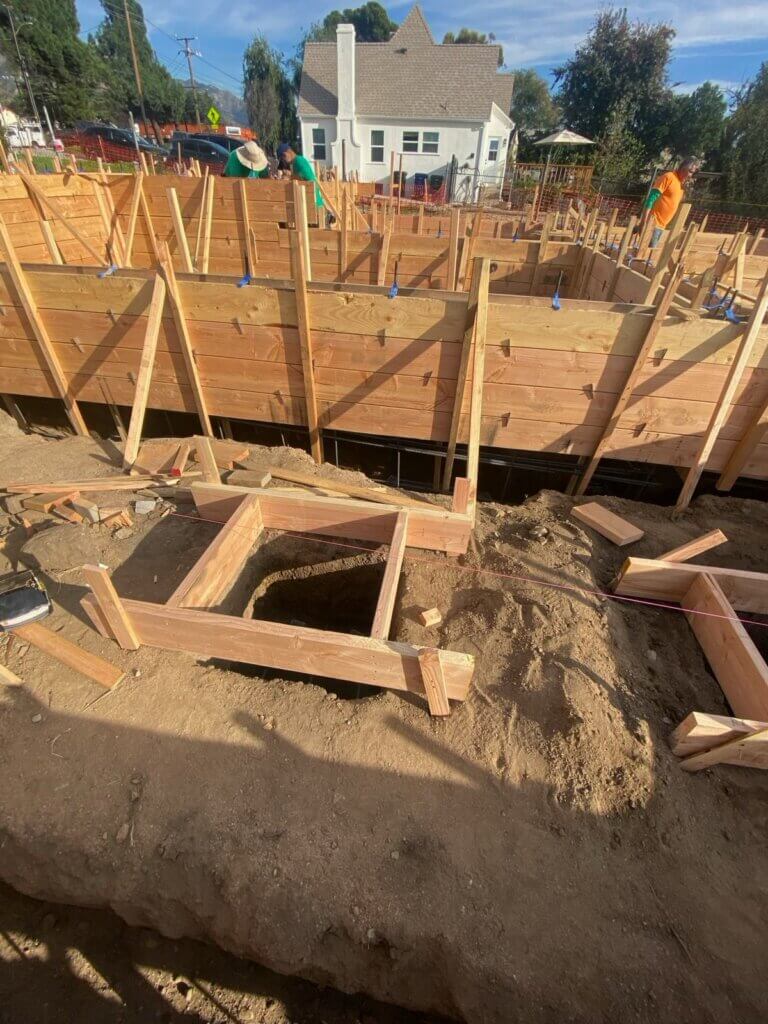
On residential projects, structural engineers design foundations, framing, and load paths for homes, and assess existing houses before renovation work starts. For most homeowners the engineer becomes involved for one of two reasons: the city asks for stamped drawings, or something in the house has started moving.
Residential work makes up a large share of what structural engineers do day to day. Most people looking for a structural engineer for house projects are dealing with one of the situations below, and this list also answers when do you need a structural engineer in practical terms.
- Removing a wall. Opening up a kitchen almost always means removing a load bearing wall. The engineer designs the beam and posts that replace it.
- Adding a second floor. The existing foundation and walls were never designed to carry another storey. Everything below has to be checked.
- Building an ADU. California ADU permits usually require stamped structural drawings before the city will approve them.
- Foundation problems. Cracks, settlement, or sloping floors need diagnosis before any repair is worth paying for.
- Deck and balcony work. California has tightened inspection rules on elevated decks and balconies after several failures.
- Seismic retrofit. Older homes with cripple walls or a soft first storey often need bracing and anchoring.
- After damage. Fire, flood, storm, or earthquake damage needs an engineer’s report before rebuilding.
Homeowners often ask what do structural engineers do that a contractor cannot. The answer is documentation. A contractor can build. Only a licensed engineer can produce the stamped calculations a building department will accept, which is why bringing in a residential structural engineer early usually saves time at permit stage.
Planning a wall removal, an addition, or an ADU in California? Our licensed structural engineers can review your plans and tell you exactly what the permit will require. Get a Quote.
What Does a Structural Engineer Do During a Home Inspection?
During a home inspection, a structural engineer examines the foundation, framing, walls, floors, and roof structure to judge whether the building is safe and stable. They then write a report explaining what they found, how serious it is, and what repairs are needed. This is a technical assessment, not a general property review.
People often look for a structural engineer for home inspection after a general inspector flags something they cannot fully explain. That is exactly the right time to call one.
Can a structural engineer inspect a house?
Yes. A licensed structural engineer can inspect a house and produce a signed report on its condition. Their report carries more weight than a general inspection because it comes from a licensed professional who can also design the repair. Lenders, insurers, and building departments accept engineer reports for this reason.
What happens during a structural inspection?
A structural inspection follows five stages, usually taking two to four hours on site, with the written report following within a few days.
- Walkthrough and history review. The engineer discusses your concerns, looks at any available drawings, and notes the age and build type of the house.
- Exterior assessment. Foundation walls, grading, drainage, visible cracks, chimney condition, and how the ground meets the building.
- Interior assessment. Floor levelness, wall plumb, ceiling condition, framing in the attic and crawlspace, and any signs of movement around doors and windows.
- Measurements and testing. Where needed, the engineer measures floor slope, crack width, and wall deflection, and may take moisture readings or check for wood damage.
- Written report. Findings, photographs, the likely cause, how urgent it is, and specific repair recommendations.
The report is the part that matters most. Hiring a structural engineer to inspect home problems is worth it because a good structural engineer home inspection tells you not just that a crack exists, but whether it is old and stable or active and getting worse. Those two situations have very different price tags.
What are the warning signs you need a structural inspection?
Call an engineer if you notice any of the following. One sign alone may be harmless, but several together usually means something is moving.
- Stair step cracks in brick or block walls
- Floors that slope, bounce, or feel soft underfoot
- Doors and windows that stick or no longer close properly
- Walls that bow, lean, or bulge
- A roofline that sags or dips in the middle
- Gaps opening up where trim meets walls or ceilings
- Cracks wider than a quarter inch, especially if they are widening
Damage from fire, flooding, or earthquakes needs an engineer even when nothing looks wrong from the outside. Heat and water both weaken framing in ways that are invisible until a wall is opened, which is why post-disaster structural assessments are handled differently from a routine inspection.
What Types of Projects Do Structural Engineers Work On?
Structural engineers work on residential, commercial, industrial, and infrastructure projects, plus renovations and assessments of existing buildings. The engineering principles stay the same across all of them. What changes is the scale, the codes that apply, and who the engineer answers to.
| Project type | Examples | What the engineer handles |
|---|---|---|
| Residential | Houses, ADUs, additions, apartment buildings | Foundations, framing, load bearing walls, retrofits |
| Commercial | Offices, retail, restaurants, hotels | Long span floors, open layouts, mixed use loads |
| Industrial | Warehouses, factories, storage facilities | Heavy equipment loads, crane rails, tall clear spans |
| Infrastructure | Bridges, tunnels, towers, transit structures | Dynamic loads, fatigue, long service life |
| Renovation and retrofit | Older buildings, seismic upgrades, change of use | Assessing what exists, then strengthening it |
Renovation work is often harder than new design. With a new building the engineer controls every decision. With an existing building they inherit whatever was built decades ago, sometimes with no drawings at all, and have to work out how it currently carries load before changing anything.
Project type also shapes the working environment, since where structural engineers work shifts between design office, construction site, and building department depending on the phase.
Frequently Asked Questions
What is a structural engineer?
A structural engineer is a licensed engineer who specialises in the parts of a building that carry load. They are a type of civil engineer with focused training in structural analysis and design. In California they hold a Professional Engineer licence, and for certain buildings a separate Structural Engineer licence is required.
When do you need a structural engineer?
You need a structural engineer when you are changing, removing, or adding to anything that carries weight, or when a building shows signs of movement. Common triggers are wall removals, second storey additions, ADUs, foundation cracks, and buying an older home. Your building department will also tell you when stamped drawings are required. See our guide to hiring a structural engineer for your project.
Do I need a structural engineer to remove a load bearing wall?
Yes, in almost all cases. Removing a load bearing wall changes how weight travels to the foundation, and a replacement beam has to be sized by calculation. Most building departments require stamped engineer drawings before issuing a permit. Skipping this step can void insurance and cause problems when you sell.
What is the difference between a civil engineer and a structural engineer?
A civil engineer covers a broad field including roads, drainage, water systems, and site development. A structural engineer focuses only on load carrying systems in buildings and structures. Every structural engineer is a civil engineer by training, but not every civil engineer does structural design. Read more about what a civil engineer does.
What is the difference between a structural engineer and a home inspector?
A home inspector reviews the whole property at a general level, including roofing, plumbing, and electrical. A structural engineer looks only at the structure, but in far more technical depth, and is licensed to design the repair. Home inspectors flag problems. Structural engineers diagnose them and specify the fix.
What skills does a structural engineer need?
Structural engineers need strong applied mathematics and physics, fluency in structural analysis software such as ETABS, SAP2000, and AutoCAD, and detailed knowledge of building codes and materials. They also need clear communication, because much of the job involves explaining technical limits to architects, contractors, and clients who are not engineers.
What qualifications does a structural engineer need in California?
A structural engineer in California needs an accredited engineering degree, several years of supervised experience, and a Professional Engineer licence in Civil Engineering. For hospitals, schools, and certain essential buildings, a separate Structural Engineer licence is also required. Licences must be renewed and maintained through continuing education.
How much does a structural engineer cost?
A structural engineer typically costs between $500 and $2,500 for residential work, depending on scope. A single inspection with a written report usually falls between $400 and $1,200, while full design drawings for an addition or ADU cost more. For a full breakdown see our guide to structural engineer cost.
How long does a structural engineer report take?
Most structural inspection reports arrive within three to seven business days after the site visit. Straightforward reports can come back faster. Reports that need calculations, laboratory results, or a second site visit take longer. Ask about turnaround before booking if you are working to a closing date.
Why are structural engineers important?
Structural engineers prevent building failures. Their work keeps homes standing through earthquakes and storms, allows architects to build ambitious designs safely, and uses materials efficiently rather than over building everything to be safe. Most of the time you never see their work, which is exactly the point.
Final Thoughts
So what does a structural engineer do? They work out how a building carries its own weight and everything acting on it, then design or check the parts that make that possible. That covers new construction, renovations, and inspections of buildings that are already standing.
For most people the practical takeaway is simple. If you are changing something that holds weight, or something in your house has started moving, that is when you bring in a structural engineer.