What is a MEP engineer? A MEP engineer designs building systems through their professional work which involves creating plans for mechanical and electrical and plumbing systems. These systems perform fundamental functions which protect buildings while making them operational and environmentally friendly and suitable for human habitation.
MEP engineers handle all vital building systems by connecting temperature control systems with ventilation systems and power distribution networks and water supply infrastructure. The team members maintain their responsibilities throughout every stage of the project development process which begins with design and continues through construction until the facility reaches its operational phase.
What Does MEP Stand For in Engineering?
MEP stands for:
These three disciplines form the core systems that support modern buildings. A MEP engineer integrates these systems into a unified design to ensure efficiency, safety, and long-term performance.
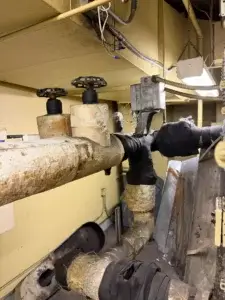
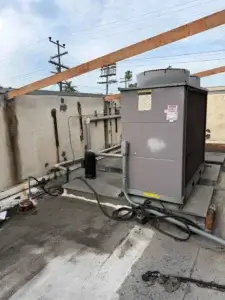
What Does a MEP Engineer Do?
A MEP engineer actively participates in various phases of construction work to guarantee that all building systems receive proper design and installation.
System Design
MEP engineers create HVAC systems and electrical layouts and plumbing networks through their design work which depends on building dimensions and operational needs and space requirements.
Load Calculations
They perform detailed calculations to determine:
- Heating and cooling loads
- Electrical demand
- Water supply and drainage needs
These calculations ensure systems are neither oversized nor undersized.
Coordination with Design Teams
The MEP engineers work together with architects and structural engineers and contractors to establish systems which operate without any conflicts. The construction process benefits from this coordination because it helps stop expensive design conflicts which emerge during building work.
Code Compliance and Safety
The team checks every system for compliance with local building codes and safety regulations and energy standards. The building needs to fulfill legal requirements and protect all its occupants through proper compliance.
Construction Support
The construction process requires MEP engineers to perform installation reviews while they solve field problems and confirm that all systems follow their original design plans.
Types of MEP Engineers
MEP engineering is typically divided into three specialized roles:
Mechanical Engineer
Focuses on heating, ventilation, and air conditioning (HVAC) systems. Responsible for maintaining indoor comfort and air quality.
Electrical Engineer
Designs power distribution systems, lighting, emergency systems, and low-voltage infrastructure.
Plumbing Engineer
Handles water supply, drainage, stormwater systems, and sanitation design to ensure proper hygiene and system efficiency.
Where Do MEP Engineers Work?
MEP engineers are essential across a wide range of industries and building types, including:
- Residential buildings
- Commercial offices
- Hospitals and healthcare facilities
- Industrial plants
- Schools and universities
- Government and institutional buildings
Each sector requires tailored system design based on its operational needs.
Skills Required to Become a MEP Engineer
A successful MEP engineer combines technical knowledge with practical coordination skills.
Technical Skills
- HVAC system design
- Electrical system planning
- Plumbing layout and design
- Knowledge of building codes and standards
Software Proficiency
- AutoCAD
- Revit (BIM)
- Load calculation and energy modeling tools
Soft Skills
- Problem-solving
- Communication
- Team coordination
- Attention to detail
Importance of MEP Engineers in Construction
MEP engineers play a critical role in ensuring that buildings operate efficiently and safely. Poorly designed systems can lead to:
- High energy consumption
- Frequent maintenance issues
- Safety risks
- Code violations
Well-designed MEP systems improve building performance, reduce operational costs, and enhance occupant comfort.
MEP Engineer vs MEP Contractor
While both roles are closely related, they serve different functions:
- A MEP engineer is responsible for system design, planning, and technical specifications.
- A MEP contractor is responsible for installation and execution of those systems on-site.
Both must work together to ensure successful project delivery.
Career Path and Growth of a MEP Engineer
MEP engineering offers strong career opportunities due to continuous demand in the construction industry. Professionals typically progress through roles such as:
- Junior Engineer
- Design Engineer
- Project Engineer
- Senior MEP Engineer
- MEP Manager or Consultant
With experience, engineers can specialize in specific systems or move into project management and consultancy roles.
Future of MEP Engineering
MEP engineering continues to evolve with advancements in technology and sustainability. Key trends include:
- Smart building systems and automation
- Energy-efficient and green building design
- Integration of renewable energy systems
- Increased use of BIM for coordination
These developments are expanding the role of MEP engineers and increasing their importance in modern construction.
Conclusion
A construction project needs a MEP engineer who designs and handles building systems which deliver operational structures and security and operational efficiency. Their work establishes operational harmony between building mechanical systems and electrical systems and plumbing systems throughout all stages of building development.