A building with a perfect climate inside regardless of outside weather conditions shows that its HVAC system functions properly. The field of building services includes HVAC as its core system which serves as the foundation for all modern building operations.
Heating, Ventilation, and Air Conditioning (HVAC) functions as the base element which building services engineering depends upon. The system operates to keep buildings comfortable while it controls air quality and manages temperature levels and operates with energy efficiency throughout residential and commercial and industrial structures.
HVAC systems function as essential systems which establish secure, healthy, and productive indoor spaces for offices, hospitals, shopping malls, hotels, and manufacturing facilities. The guide presents an overview of HVAC systems which includes their operating principles and essential parts and their fundamental role in contemporary building services.
What Is HVAC in Building Services?
The integrated system of HVAC in building services delivers heating and cooling and ventilation and humidity management and air purification services throughout a building structure.
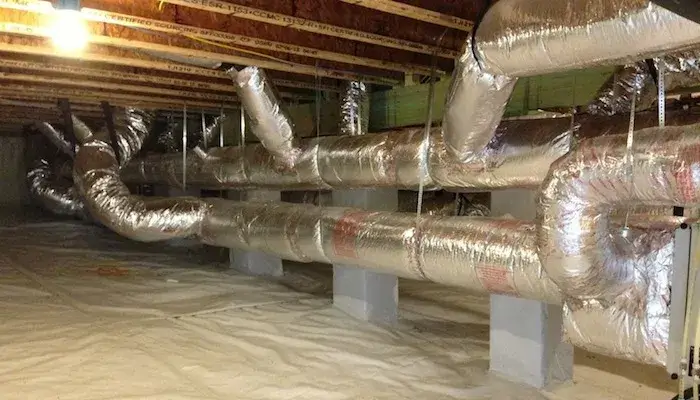
Building services engineering involves the creation and upkeep of systems which enable buildings to operate properly while maintaining security and providing comfortable environments. Building services contains HVAC as its largest and most complex specialty because it controls the comfort of building occupants and their energy usage and the quality of indoor air.
A properly designed HVAC system helps:
- Maintain comfortable indoor temperatures
- Deliver fresh outdoor air
- Remove stale air and pollutants
- Control humidity levels
- Improve indoor air quality
- Reduce energy consumption
- Support building sustainability goals
What Does HVAC Stand For?
HVAC consists of three essential functions:
Heating
Heating systems keep indoor spaces warm during colder months. Depending on the building type, heating may be provided through:
- Boilers
- Furnaces
- Heat pumps
- Electric heaters
- Radiant floor heating
The heating system distributes warmth using air ducts, radiators, underfloor systems, or hot water pipes.
Ventilation
Ventilation replaces stale indoor air with fresh outdoor air.
Good ventilation removes:
- Carbon dioxide
- Dust
- Odors
- Moisture
- Airborne contaminants
- Harmful gases
Proper ventilation also helps prevent mold growth and improves overall indoor air quality.
Ventilation may be:
- Natural ventilation
- Mechanical ventilation
- Hybrid ventilation
Most commercial buildings rely on mechanical ventilation systems.
Air Conditioning
Air conditioning cools indoor spaces during warm weather while controlling humidity.
Cooling systems typically include:
- Chillers
- Air conditioners
- Heat pumps
- Cooling towers
- Refrigeration systems
Besides cooling, modern air conditioning systems filter and dehumidify indoor air.
Why Is HVAC Important in Building Services?
HVAC is one of the most valuable investments in any building because it impacts comfort, health, and operational efficiency.
Key benefits include:
Improved Indoor Comfort
Occupants remain comfortable throughout the year regardless of outdoor temperatures.
Better Air Quality
HVAC systems filter dust, allergens, bacteria, and pollutants while supplying fresh air.
This is especially important in:
- Hospitals
- Schools
- Offices
- Hotels
- Healthcare facilities
Energy Efficiency
Modern HVAC systems use advanced controls, sensors, and energy-efficient equipment to reduce electricity consumption and operating costs.
Humidity Control
Proper humidity prevents:
- Mold growth
- Condensation
- Structural damage
- Static electricity
Balanced humidity also improves occupant comfort.
Increased Productivity
Research consistently shows that comfortable indoor temperatures and clean air improve employee performance and concentration.
Major Components of an HVAC System
A complete HVAC system includes several interconnected components.
Air Handling Unit (AHU)
The Air Handling Unit circulates and conditions air.
Its primary functions include:
- Air filtration
- Heating
- Cooling
- Humidity control
- Air distribution
AHUs are commonly installed in commercial buildings.
Chillers
Chillers remove heat from water, which is then circulated through cooling systems.
Large commercial buildings often rely on chilled water systems for efficient cooling.
Boilers
Boilers heat water or produce steam for space heating.
They are widely used in:
- Hotels
- Hospitals
- Industrial facilities
- Residential buildings
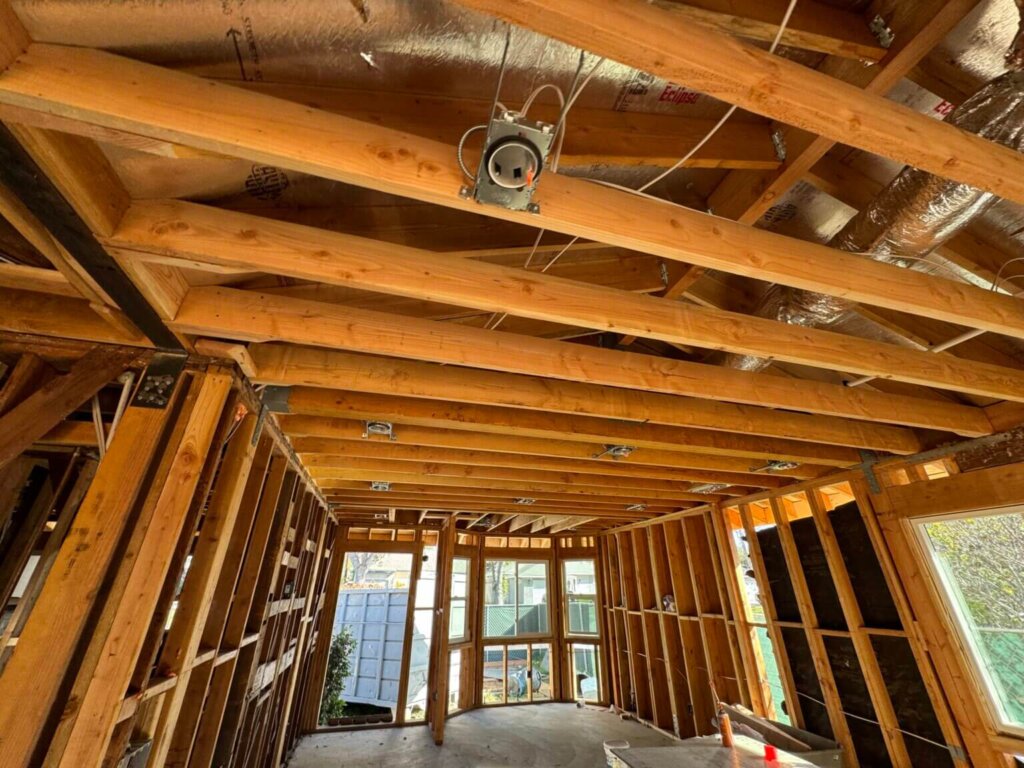
Ductwork
Ducts transport conditioned air throughout the building.
Well-designed duct systems ensure:
- Even temperature distribution
- Reduced energy loss
- Quiet operation
Diffusers and Grilles
These components distribute air evenly into occupied spaces while maintaining comfort.
Thermostats and Building Controls
Modern HVAC systems use smart controls that automatically regulate:
- Temperature
- Humidity
- Fan speed
- Airflow
- Energy consumption
Many commercial buildings now use Building Management Systems (BMS) to monitor HVAC performance.
Types of HVAC Systems Used in Buildings
Different buildings require different HVAC solutions.
Central HVAC Systems
Central systems serve the entire building from a centralized plant.
They are common in:
- Office towers
- Shopping centers
- Airports
- Universities
Split Systems
Split systems separate indoor and outdoor units.
These systems are popular in:
- Homes
- Small offices
- Retail stores
VRF and VRV Systems
Variable Refrigerant Flow (VRF) systems provide independent temperature control for multiple zones.
Benefits include:
- High energy efficiency
- Flexible installation
- Quiet operation
- Excellent comfort control
Heat Pump Systems
Heat pumps provide both heating and cooling using the same equipment.
They have become increasingly popular because of their energy efficiency.
HVAC and Energy Efficiency
Energy efficiency has become a major focus in modern building services.
Efficient HVAC systems can reduce building energy use by up to 40–50% when properly designed and maintained.
Strategies include:
- High-efficiency chillers
- Variable speed drives
- Smart thermostats
- Heat recovery systems
- Energy recovery ventilators
- Demand-controlled ventilation
- Proper insulation
Building owners often prioritize energy-efficient HVAC systems to lower operating costs and meet sustainability goals.
HVAC Design Considerations
Designing an HVAC system requires careful engineering analysis.
Engineers evaluate factors such as:
- Building size
- Occupancy levels
- Climate conditions
- Building orientation
- Heat gain
- Heat loss
- Ventilation requirements
- Indoor air quality standards
- Energy regulations
Proper HVAC design balances comfort, efficiency, and long-term operating costs.
Common HVAC Applications
HVAC systems are used in nearly every type of building, including:
- Residential homes
- Apartment buildings
- Hospitals
- Schools
- Universities
- Hotels
- Shopping malls
- Data centers
- Airports
- Manufacturing plants
- Warehouses
- Office buildings
Each application has unique heating, cooling, and ventilation requirements.
HVAC Maintenance in Building Services
Routine maintenance keeps HVAC systems operating efficiently and extends equipment life.
Typical maintenance tasks include:
- Replacing air filters
- Cleaning ducts
- Inspecting refrigerant levels
- Lubricating moving parts
- Checking electrical connections
- Cleaning coils
- Testing thermostats
- Inspecting fans and motors
Preventive maintenance reduces unexpected breakdowns and improves system reliability.
Future Trends in HVAC Building Services
HVAC technology continues to evolve with smarter, greener solutions.
Emerging trends include:
- Smart building automation
- AI-powered energy management
- IoT-connected HVAC equipment
- Renewable energy integration
- Net-zero building design
- Heat recovery technologies
- Low-carbon refrigerants
- Predictive maintenance using sensors
These innovations improve efficiency while reducing environmental impact.
Frequently Asked Questions
What is HVAC in building services?
HVAC stands for Heating, Ventilation, and Air Conditioning. The building service manages indoor climate control by handling ventilation systems and controlling humidity levels and maintaining proper air quality standards.
Why is HVAC important?
HVAC systems create comfortable spaces while they maintain healthy indoor air quality and reduce energy consumption. These systems also manage building humidity levels and maintain safe conditions for occupants.
What are the main components of an HVAC system?
The system depends on its core elements which consist of air handling units, chillers and boilers, ductwork, fans, filters, thermostats, and building automation control systems.
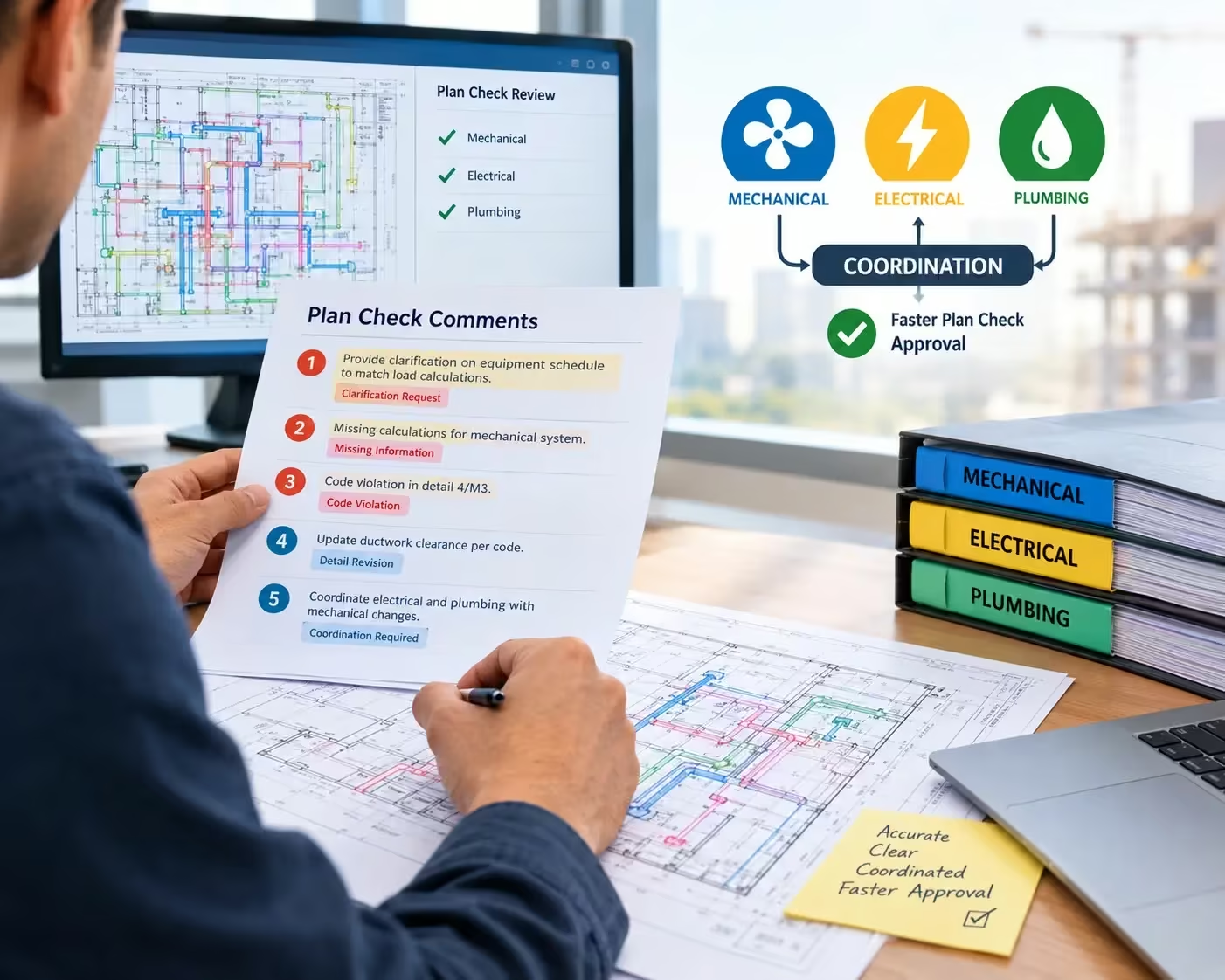
Is HVAC part of MEP engineering?
Yes. HVAC stands as a major discipline which belongs to MEP (Mechanical, Electrical, and Plumbing) engineering and exists within the mechanical systems domain.
How does HVAC improve energy efficiency?
The modern HVAC system operates through high-efficiency equipment which works with smart controls, variable-speed motors, and heat recovery technologies to lower energy use while delivering comfortable indoor environments.
Conclusion
The knowledge of HVAC systems in building services stands as a vital skill for people who work in construction, engineering, property management, and facility operations. HVAC systems perform beyond their basic function of building heating and cooling because they create better indoor air quality, use energy more efficiently, control moisture levels, and maintain year-round comfort for building occupants.
Buildings now operate with enhanced intelligence, while sustainability has emerged as a leading concern, so HVAC technology maintains its essential position in present-day building service systems. Proper HVAC design, together with correct installation and regular maintenance work to decrease operational expenses while helping equipment operate longer and produce safe and comfortable environments for all occupants.