What to Do If Pipes Freeze: Pipes experience freezing problems throughout California state. The occurrence of freezing pipes remains rare yet homeowners in Tahoe and Mammoth Lakes and Sierra foothills and Central Valley experience unexpected pipe freezing during these cold weather periods. California houses follow different insulation standards than chilly state homes so their pipes tend to freeze when temperatures begin to drop.
If you’re dealing with a freeze right now, here’s exactly what to do.
Why Do Pipes Freeze in California If It’s Rarely Cold?
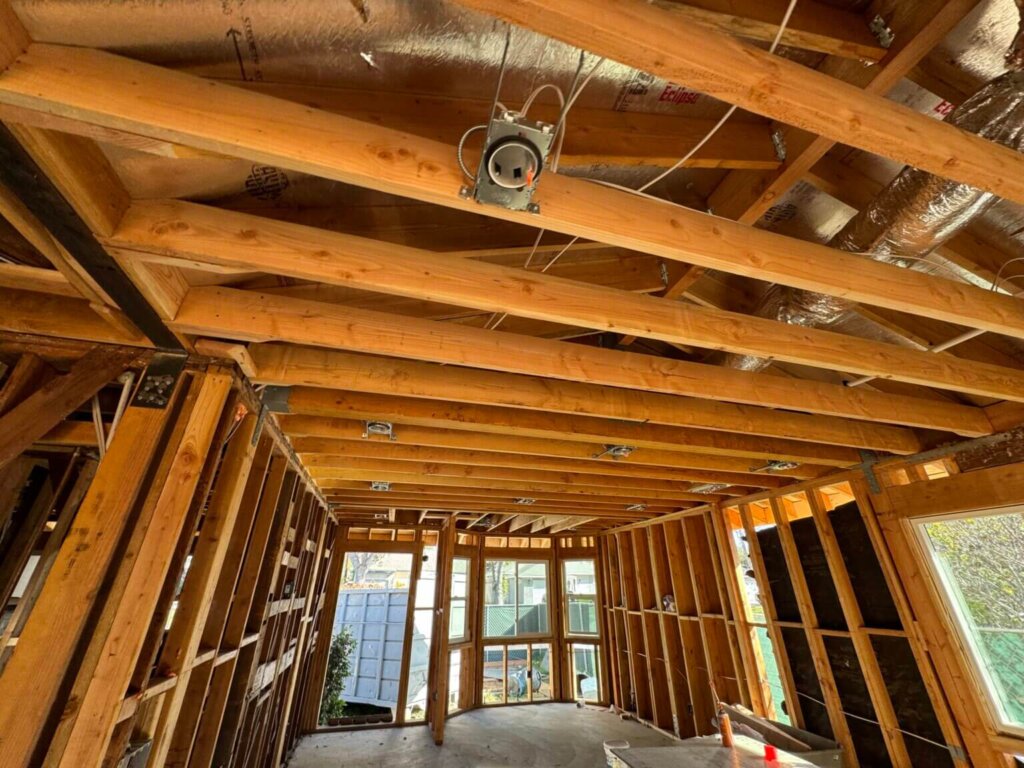
The situation reveals an unexpected contradiction because Minnesota and Michigan dwellings receive construction for freezing weather which includes deep pipe installations and thick insulation and nonstop heating operations. The builders of California homes constructed their buildings to handle the mild temperature variations which occur throughout the year. Builders left pipes exposed to freezing weather because they ran them through unheated crawl spaces and through walls and onto garages and into attics.
The cold front which passes through Northern California and Sierra Nevada and high-desert regions including Lancaster and Victorville causes pipes to freeze when temperatures stay under 32°F for several hours.
Which California Areas Are Most at Risk?
Not every part of the state faces this problem, but several regions see freezing temperatures every winter:
- Lake Tahoe and the Sierra Nevada (Truckee, South Lake Tahoe, Mammoth Lakes)
- High desert areas (Lancaster, Palmdale, Victorville, Barstow)
- Northern California mountain towns (Shasta, Mount Shasta City, Susanville)
- Central Valley cold snaps (Redding, Bakersfield, Fresno during rare hard freezes)
- Inland Empire foothills (Big Bear, Idyllwild)
If you live in one of these areas, it’s worth pipe-proofing your home before winter even starts.
How Do You Know If a Pipe Has Frozen?
A few telltale signs make it pretty easy to spot:
- Little to no water comes out when you turn on the faucet
- Frost is visible on an exposed section of pipe
- Strange smells coming from a drain or faucet (a sign of a full blockage)
- A previously working line suddenly runs dry
If you notice any of these, don’t wait. Frozen pipes can burst within hours if the pressure inside builds up too much.
What Should You Do the Moment You Suspect a Frozen Pipe?
Turn off the main water valve first. This is the single most important step. If a pipe is already cracked and you don’t know it, keeping the water running will flood your home the moment it thaws.
Once the main valve is off:
- Open the affected faucet slightly to relieve pressure
- Locate the frozen section of pipe (check exposed areas first — garages, under sinks, crawl spaces)
- Begin gently warming the pipe from the faucet end toward the blockage
Never skip step 3’s order. Warming from the wrong end can trap steam and pressure between the ice blockage and the closed faucet, increasing the chance of a burst.
How Do You Safely Thaw a Frozen Pipe?
Patience matters more than speed here. Safe methods include:
- A hairdryer on low heat, moved continuously along the pipe
- Warm (not boiling) towels wrapped around the frozen section
- A space heater placed a safe distance away, aimed at the general area
- Raising the room temperature if the pipe is behind a wall
Avoid open flames, blowtorches, or anything with an exposed heat source. The plumbing systems of California residences contain older components which still use soldered pipes that pose a danger of damage through direct flame exposure to nearby insulation materials.
What If the Pipe Has Already Burst?
If water is actively leaking or spraying:
- Shut off the main water valve immediately (if you haven’t already)
- Turn off electricity to the affected area if water is near outlets or fixtures
- Move furniture, electronics, and valuables away from the water
- Call a licensed plumber right away
- Document the damage with photos for insurance purposes
Most California residents find themselves unprepared for emergency situations because they never developed an emergency plan. A sudden water pipe break should prompt you to contact your homeowner’s insurance company because most policies include protection against unexpected water damage events.
How Can You Prevent Pipes From Freezing Again?
A little prep goes a long way, especially since California cold snaps tend to arrive with only a few days’ warning.
Insulate exposed pipes. You can find foam pipe sleeves at any hardware store because they provide an affordable solution for pipe insulation. The pipes which need attention exist within garage areas and crawl spaces and outside walls of buildings.
Let faucets drip during a freeze warning. Water that flows continuously prevents freezing better than water which remains motionless.
Keep garage doors closed. Many California homes route water lines through the garage, and an open door lets cold air straight in.
Open cabinet doors under sinks. Warm household air can reach pipes which run along walls that face outside when you open the cabinet doors under your sink.
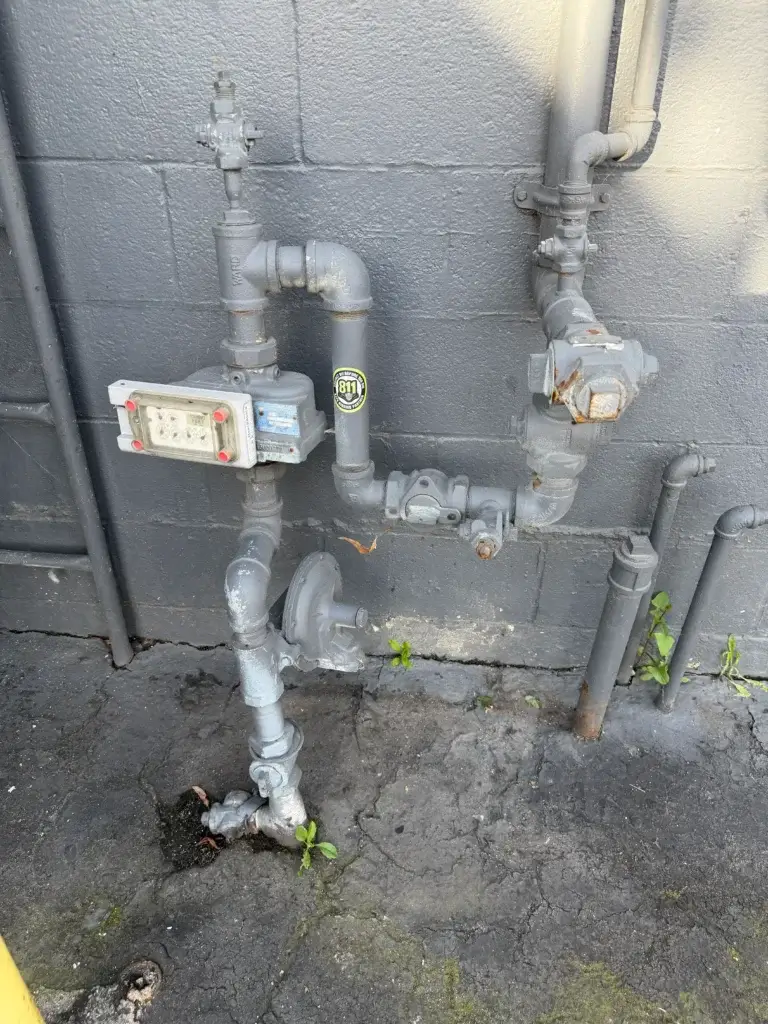
Know where your main shutoff valve is before you need it. In an emergency, seconds count.
Should You Call a Plumber or Handle It Yourself?
Minor frozen pipes with no visible damage can usually be thawed safely on your own. But call a licensed plumber if:
- You can’t locate the frozen section
- The pipe has visibly cracked or split
- Water pressure doesn’t return to normal after thawing
- You smell gas or notice water near electrical systems
The rare occurrence of frozen pipes throughout California leads people to underestimate the severe damage which burst pipes cause to their drywall and flooring and foundation structures. A professional plumbing inspection becomes necessary for any doubt about the system because its cost level remains reasonable.
Final Thoughts
Freezing pipes might feel like a problem for colder states, but California’s mountain towns, high-desert regions, and occasional statewide cold snaps make it a real risk for thousands of homeowners every winter. Homeowners can prevent expensive repairs when they identify their shutoff valve location and protect their pipes from damage through insulation and they should start emergency response procedures at the first indication of a problem.