In modern construction and building design, systems are closely connected and must function together efficiently. One common question among property owners, students, and professionals is: Do mechanical engineers work with plumbing?
The simple answer is yes. Mechanical engineers often work with plumbing systems, especially in building design, MEP engineering, and large construction projects.
This article explains how mechanical engineering plumbing works, the responsibilities of mechanical engineers, and why their role is essential in modern buildings.
The Connection Between Mechanical Engineering and Plumbing
Mechanical engineering specializes in the study of systems which contain the following elements:
- Heating
- Cooling
- Ventilation
- Fluid flow
- Energy transfer
Plumbing systems require fluid transfer operations together with pressure management and operational system performance monitoring. The two fields share common elements because of their natural connection between mechanical engineering and plumbing system development.
Mechanical engineers take charge of various construction tasks which include:
- Water supply system calculations
- Pump selection
- Pressure systems
- Hot water systems
- Drainage planning
The plumbing systems within MEP projects fall under mechanical engineering because of their operational functions.
Role of Mechanical Engineers in Plumbing Systems
Mechanical engineers play a technical and design-oriented role in plumbing. Their responsibilities include:
1. Plumbing System Design
Mechanical engineers design:
- Water supply networks
- Hot and cold water systems
- Drainage and waste systems
- Stormwater systems
They calculate pipe sizes, flow rates, and pressure levels to ensure efficient operation.
2. Pump and Equipment Selection
Mechanical engineers select the right equipment for plumbing systems, such as:
- Water pumps
- Pressure boosting systems
- Heat exchangers
- Water heaters
Proper equipment selection ensures:
- Energy efficiency
- Reliable performance
- Long system life
3. Hot Water System Design
In residential, commercial, and industrial buildings, hot water systems are essential. Mechanical engineers:
- Design centralized hot water systems
- Calculate heating loads
- Select boilers or heaters
- Ensure temperature control and safety
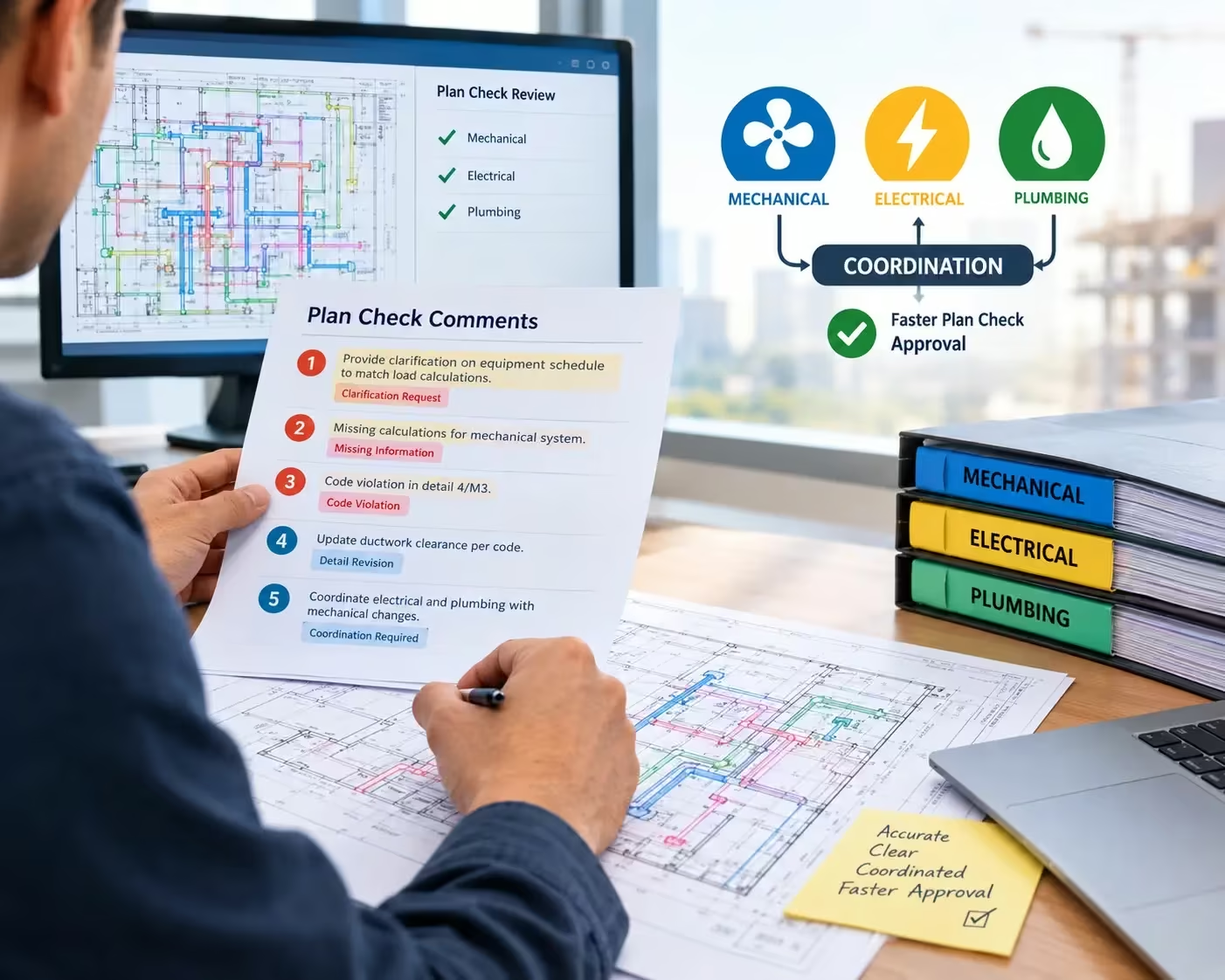
4. Coordination with Other MEP Systems
Plumbing systems must work alongside:
- HVAC ducts
- Electrical conduits
- Structural elements
Mechanical engineers coordinate plumbing layouts to avoid clashes and ensure efficient installation.
Mechanical Engineering Plumbing in MEP Projects
The leading position in system coordination for MEP (Mechanical, Electrical, Plumbing) engineering belongs to mechanical engineers who perform this job as their main responsibility.
Their tasks may include:
- The process of designing HVAC systems requires plumbing system integration during the design phase.
- The system needs water heating operations that maintain energy efficiency.
- The process requires mechanical equipment to join with plumbing systems.
- BIM software enables system layout management through its operational capabilities.
The mechanical engineering department at different engineering companies includes plumbing as one of their engineering disciplines.
Where Mechanical Engineers Work with Plumbing
Mechanical engineers are involved in plumbing systems across many building types:
Residential Buildings
- Single-family homes
- Apartment complexes
- Condominiums
They design:
- Water supply lines
- Hot water systems
- Drainage networks
Commercial Buildings
- Offices
- Shopping centers
- Hotels
- Restaurants
These buildings require complex plumbing systems, including:
- High-capacity water supply
- Booster pumps
- Commercial hot water systems
Industrial Facilities
- Manufacturing plants
- Warehouses
- Processing facilities
Mechanical engineers design:
- Process water systems
- Cooling water loops
- Industrial drainage systems
Institutional Buildings
- Hospitals
- Schools
- Government buildings
These facilities require specialized plumbing systems such as:
- Medical gas systems
- Sterile water systems
- Emergency drainage
Skills Mechanical Engineers Use in Plumbing Design
Mechanical engineers apply several technical skills when working with plumbing systems:
Fluid Mechanics
Understanding how water flows through pipes, pumps, and valves.
Thermodynamics
Designing hot water systems and energy-efficient heating solutions.
System Modeling
Using software to:
- Simulate water flow
- Calculate pressure losses
- Optimize system performance
Code Compliance
Ensuring plumbing designs meet:
- Local building codes
- Energy regulations
- Health and safety standards
Benefits of Mechanical Engineers Working with Plumbing
When mechanical engineers handle plumbing design, projects benefit from:
Better System Integration
Plumbing systems work more efficiently with HVAC and other mechanical components.
Energy Efficiency
Mechanical engineers design systems that:
- Reduce energy consumption
- Improve hot water efficiency
- Lower operational costs
Improved Reliability
Proper calculations and equipment selection reduce system failures.
Code Compliance
Engineers ensure systems meet all regulatory requirements.
Differences Between Mechanical Engineers and Plumbers
Although they work with similar systems, their roles are different.
Mechanical Engineers
- Design plumbing systems
- Perform calculations
- Select equipment
- Ensure code compliance
- Coordinate with other disciplines
Plumbers
- Install pipes and fixtures
- Perform maintenance and repairs
- Follow engineering drawings
- Ensure proper system operation
In simple terms:
- Engineers design the system
- Plumbers build and maintain it
Do Mechanical Engineers Always Handle Plumbing?
Not always. In some projects:
- Dedicated plumbing engineers handle plumbing design
- Mechanical engineers focus only on HVAC systems
However, in many MEP firms, mechanical engineers are trained to design both HVAC and plumbing systems, especially in smaller or mid-sized projects.
Conclusion
So, do mechanical engineers work with plumbing?
Mechanical engineers take charge of developing plumbing systems which serve as their core responsibility in MEP engineering and building construction projects.
The field of mechanical engineering plumbing requires:
- Water supply and drainage system design work
- Pumps and heaters selection process
- The process requires system coordination between HVAC and electrical systems
- The system needs to provide energy efficiency while following all established code requirements.
The team members use their knowledge to build plumbing networks which deliver safe service through efficient operation while matching the architectural plans of the building.