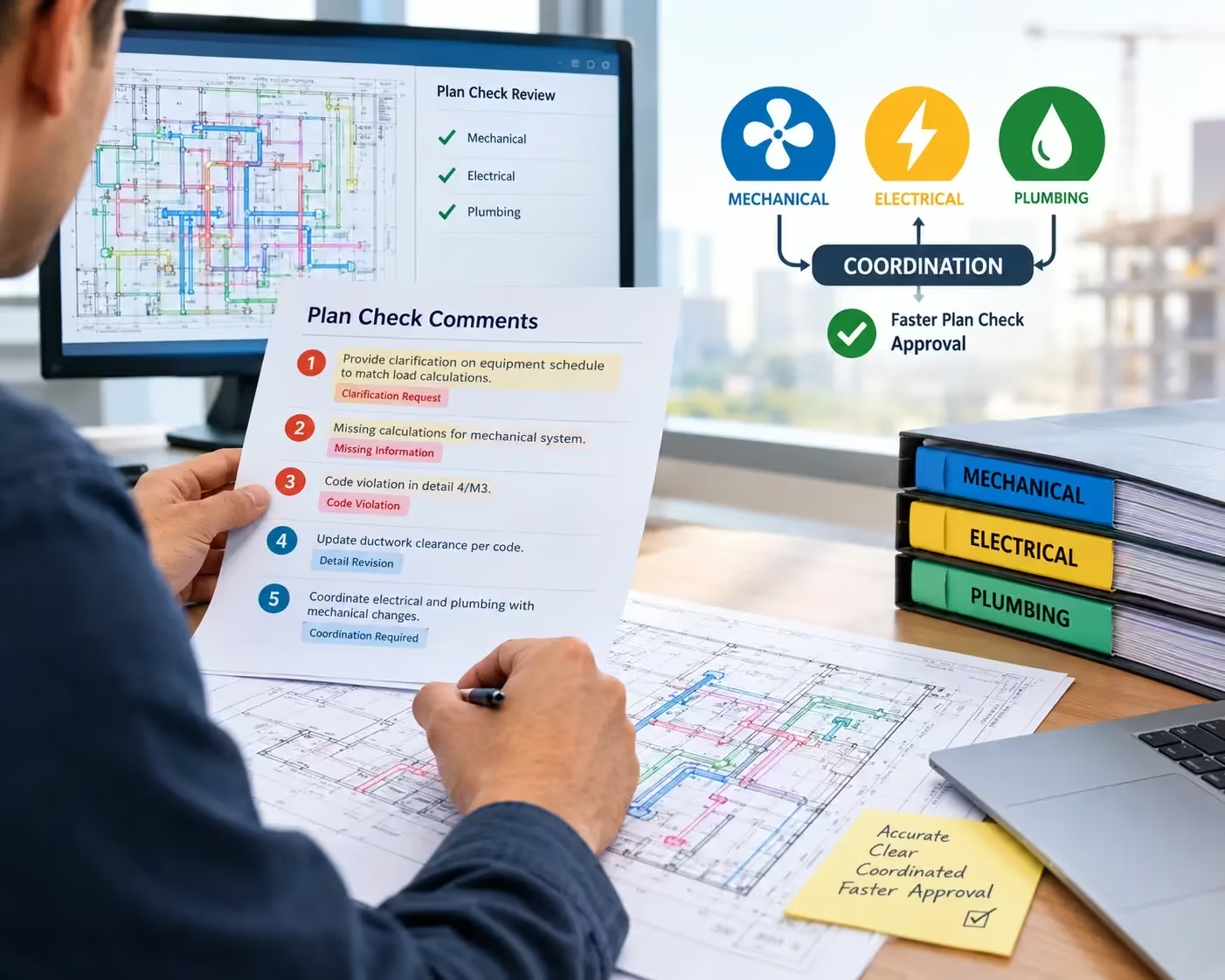
Nobody gets excited about opening an email from plan check. The MEP design of projects seems complete yet they consistently receive comments which include clarification requests and missing calculations and notes about code violations in particular details. The real question isn’t whether corrections will show up; it’s how fast they get resolved once they do.
An MEP plan check correction response, done well, answers the reviewer’s exact concern and gets the project back into the queue without triggering a second round of the same conversation. A poorly executed process extends the first correction into three separate cycles which ultimately breaks down the established schedules.
Start by Actually Understanding What the Comment Is Asking
The main cause of time waste during plan check responses comes from this particular aspect which seems straightforward at first. A simple comment which appears easy to understand at first might actually indicate a complicated problem while an intricate comment could need a basic explanation which exists in the submission but lacks proper identification for reviewer access.
The process of understanding reviewer concerns demands more attention than people usually spend on creating their responses. The equipment schedule needs to match the load calculations according to the comment about mechanical load calculation even though it does not affect the calculation process. The surface-level question would receive an answer but the follow-up comment would appear during the next round because I fail to understand the fundamental problem.
Respond Comment by Comment, Not Document by Document
Plan checkers review resubmitted plans by comparing each item with their existing comment records. Reviewers encounter additional challenges when they receive responses which transform their current structure into an entirely different narrative. The added difficulty which reviewers face during their second review process stems from the increased work they must perform to verify changes.
The better approach mirrors the comment numbering directly: comment one, here’s what changed, here’s where to find it. Comment two, same thing. The process arrives at its fastest review completion because it follows the exact methods which reviewers use to assess the work.
The better approach mirrors the comment numbering directly: comment one, here’s what changed, here’s where to find it. Comment two, same thing. The process arrives at its fastest review completion because it follows the exact methods which reviewers use to assess the work.
Keep Every Discipline’s Documents in Sync
The majority of MEP corrections encounter their initial problems during this phase of the process. The resolution of mechanical comments through ductwork adjustments leads to alterations in ceiling plenum details which electrical systems also need to address. The correction response focused only on the mechanical sheet so nobody noticed the problem until a second comment appeared three weeks later which revealed the new problem that emerged from the first correction. The correction response focused on the mechanical sheet so no one caught the problem until a second comment appeared three weeks later which revealed the new problem that emerged from the first correction.
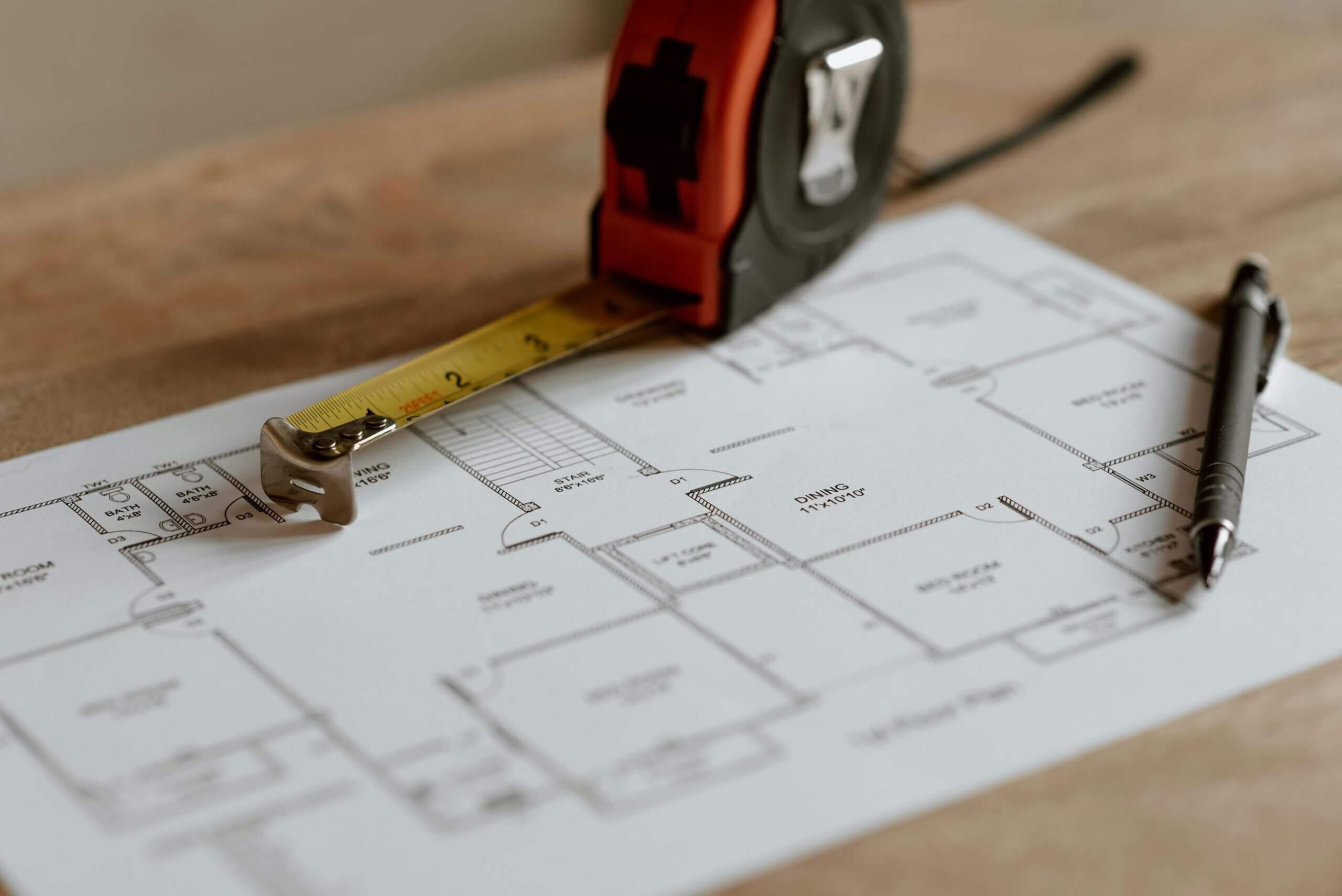
The process of unifying mechanical systems with electrical and plumbing elements before document submission helps detection of new problems which emerge from initial changes during the review process. The process requires an extra step which appears to slow things down when you start but it will prevent the need for a complete review cycle in the future.
Don’t Over-Correct
People tend to add extra modifications which go past the original feedback when they need to meet their scheduled deadline. The discovery of a single problem prompts someone to fix various other elements which exist close to the original issue. The natural response leads to poor outcomes when people attempt to solve this problem. Every change creates an opportunity for new inconsistencies to emerge while reviewers who check comments against specific changes must deal with unrelated modifications that appear during resubmission.
The reviewer can easily verify solution completion through focused answers which help them proceed to the next task. The correction process evolves through scope creep which leads to unplanned second review cycles that nobody wanted to happen.
Build the Response So the Reviewer Doesn’t Have to Hunt
Reviewers must compare all document pages to identify which sections have been modified when they receive a correction response that only says “revised, see attached”. Reviewers need to spend more time on this task which creates higher chances of missing details from both sides which endangers the project.
The reviewer can find the corrected item within sixty seconds when the response specifies the exact sheet number along with detail callout and calculation page number. The correction process becomes challenging for big MEP packages because a single change needs to affect twenty pages of calculation documents which contain multiple lines. Pointing directly to it saves real time on both ends.
Timing Matters More Than People Assume
Reviewers must compare all document pages to identify which sections have been modified when they receive a correction response that only says “revised, see attached”. Reviewers need to spend more time on this task which creates higher chances of missing details from both sides which endangers the project.
The reviewer can find the corrected item within sixty seconds when the response specifies the exact sheet number along with detail callout and calculation page number. The correction process becomes challenging for big MEP packages because a single change needs to affect twenty pages of calculation documents which contain multiple lines. Pointing directly to it saves real time on both ends.
Why This Matters More for MEP Specifically
MEP corrections establish stronger links between them than structural or civil corrections because mechanical and electrical and plumbing systems occupy similar physical areas while sharing equipment that operates across multiple disciplines. A single comment on one system can ripple into the others in ways that aren’t obvious until someone checks.
MEP systems experience their most severe downstream issues when teams implement quick correction responses without sufficient attention because these systems require more careful handling than other disciplines. The process of checking cross-discipline alignment before sending back work leads to faster results than people face when they need to submit their work multiple times.
The Bottom Line
The solution to an MEP plan check correction will achieve instant resolution when someone develops specific skills. The first step requires understanding what the reviewer wants to know. The response process demands individual item replies instead of changing the sequence of the entire package. The process requires evaluation of how each correction will affect different organizational departments. The document needs to maintain its original content structure while only focusing on the particular errors which were identified. You need to show the reviewer every solution location which contains the required amendments. None of it is complicated. The work becomes easy to overlook because of urgent time constraints which create the most critical situation.
FAQs — How to Efficiently Resolve MEP Plan Check Correction Responses
1. How long does it typically take to resolve MEP plan check corrections?
It depends on the number of comments and whether they touch one discipline or ripple across mechanical, electrical, and plumbing together. Straightforward clarifications move quickly; comments requiring coordinated changes across disciplines take longer to verify before resubmitting.
2. Why do some MEP corrections trigger a second round of comments?
Usually because the response addressed the surface-level question without catching a related effect on another discipline, or because the resubmittal wasn’t clearly tied back to the original comment, making it harder for the reviewer to confirm the fix.
3. Should every related issue be fixed while responding to one plan check comment?
No. Revising more than what the comment specifically asked for increases the chance of introducing a new inconsistency, and a tightly scoped response is easier for the reviewer to verify and close out.
4. Why does MEP coordination matter more in correction responses than in other disciplines?
Mechanical, electrical, and plumbing systems often share physical space and sometimes shared equipment, so a change made to resolve one discipline’s comment can unintentionally create a conflict in another if it isn’t checked across all three.