Mechanical systems experience delays which follow predictable patterns instead of occurring randomly. The same coordination failures and documentation gaps and design oversights appear throughout all California building departments which show up on their correction notices. The initial step to solve HVAC-related plan check delays requires you to identify their original source.
The Plan Check Process Does Not Accept HVAC Gaps
The California building departments evaluate mechanical drawings through their compliance with the 2025 California Mechanical Code and Title 24 energy standards together with all local jurisdiction modifications. Plan checkers need particular data which includes equipment schedules and duct routing and ventilation calculations and load calculations and drawing coordination with structural and architectural plans. The project receives a flag when essential information becomes unavailable or when different disciplines receive contradictory information.
A single correction notice can add weeks to a submittal timeline. Multiple rounds of corrections compound that delay significantly. The projects which pass through plan check without delays start with mechanical design that developers coordinate with all drawing sets before submission instead of using separate documents which they create alone.
Mistake 1: Submitting Without a Manual J Load Calculation
The ACCA approves Manual J as the standard method which people use to determine residential heating and cooling requirements. California requires it. The most common source of HVAC-related correction notices comes from people who send mechanical drawings without proper Manual J calculations or send calculations which do not match the actual building structure and its insulation and window components and their respective directions.
Plan checkers verify that equipment sizing is supported by the load calculation. The system will require correction when it shows an improper size which exceeds the Manual J recommended size. The same problem occurs when a Manual J uses default assumptions instead of using actual project data. The calculation needs to show the real building structure instead of using a standard template.
Mistake 2: Equipment Locations Not Coordinated with Structural
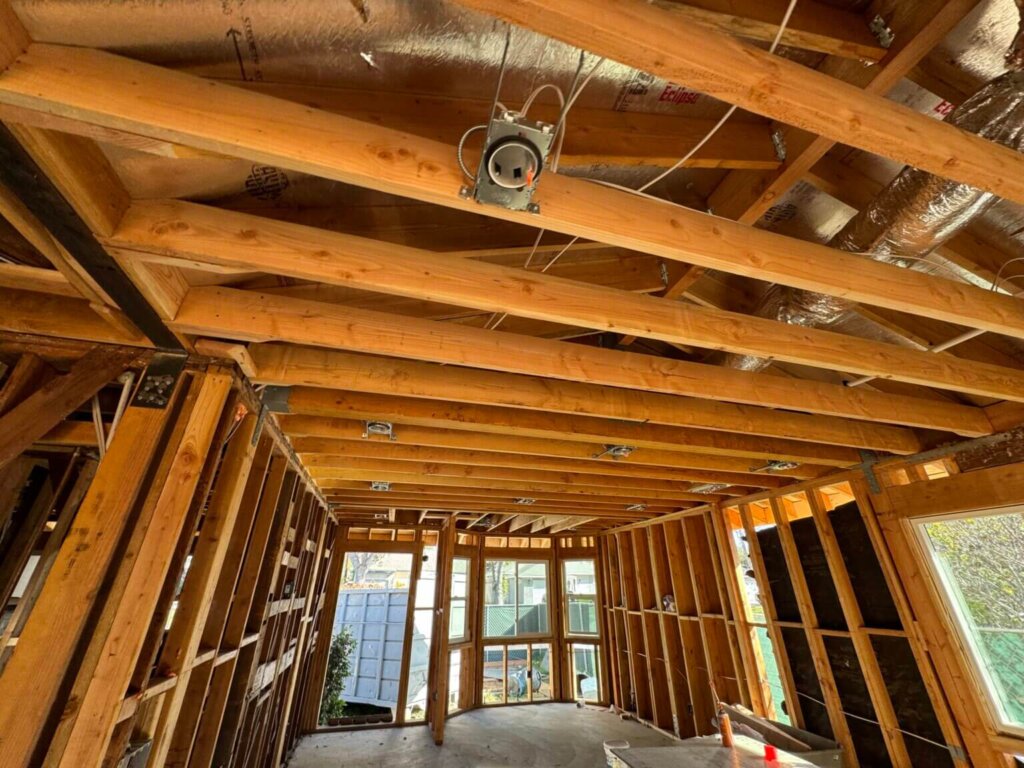
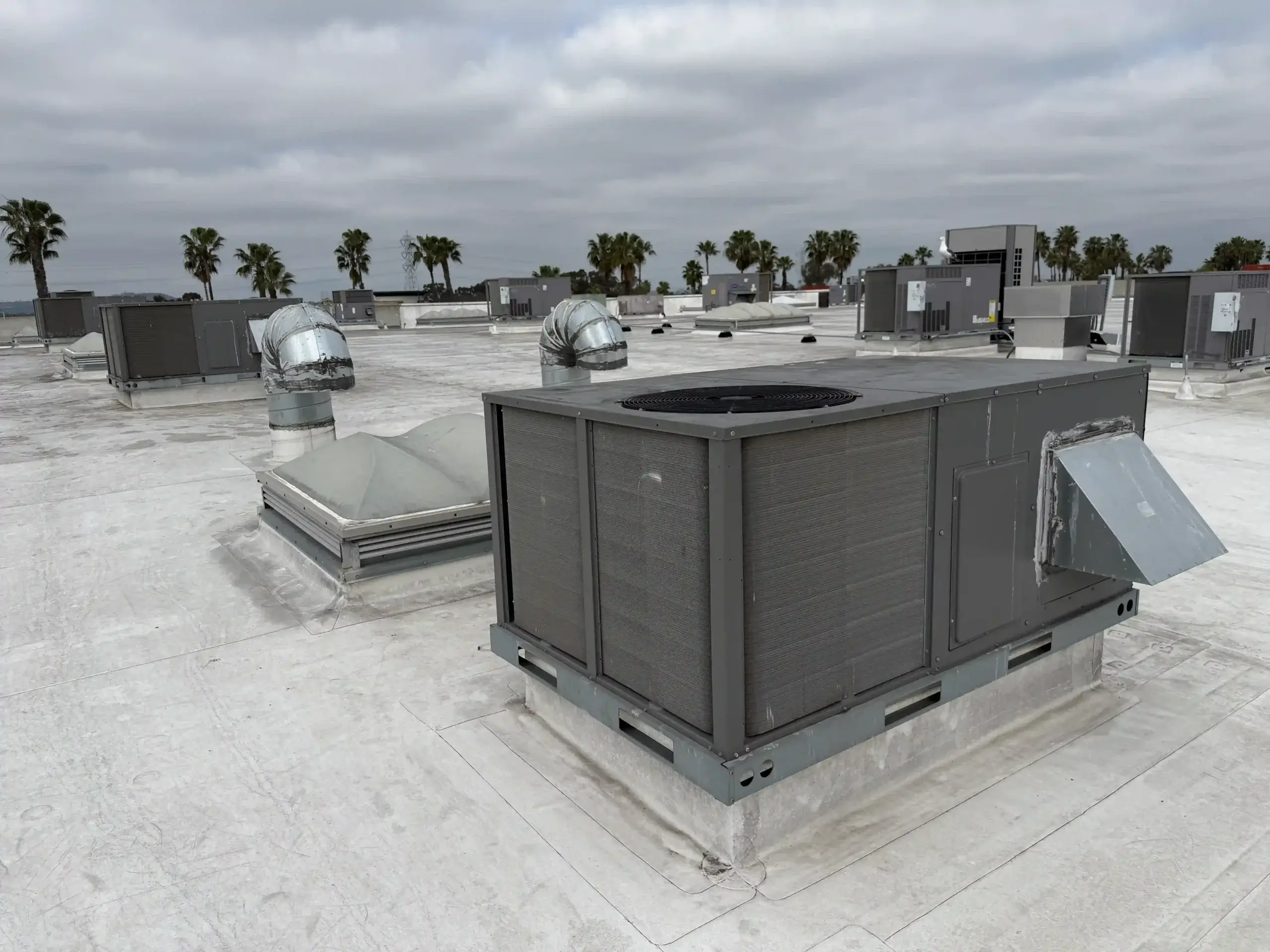
The weight of rooftop HVAC units transfers down to the building structure which supports them. The building department will require conflict resolution before permitting process can continue because equipment locations on mechanical drawings do not match structural framing or because no structural coordination exists.
The plan check process faces its most preventable delay. The process of mechanical and structural engineering work takes place through different consulting teams which fail to share information so they place equipment positions on architectural plans without checking if the building structure can handle the weight. The structural team fails to give their input when drawings show beam and joist and shear wall penetrations. The building department identifies problems which designers failed to detect during their work.
The in-house coordination between MEP and structural engineering at YA Creative Design Partners allows them to solve equipment placement and structural penetration and rooftop weight issues before they create their final drawing set. The building department never receives the information which causes the conflict to emerge during the coordination process.
Mistake 3: Title 24 Mechanical Compliance Not Completed
Title 24 Part 6 together with mechanical systems form the core elements which California uses to determine compliance with their energy code. HVAC equipment must meet minimum efficiency requirements. The duct insulation must fulfill the requirements which Title 24 establishes for its standards. The current code cycle requires ventilation systems to achieve all its specified requirements.
The process of submitting incomplete Title 24 mechanical compliance reports which do not match equipment and system drawings on plans will trigger correction notices. The compliance report and mechanical drawings need to show identical information about equipment models and efficiency ratings and system configurations which must match the information presented in the plans. The two documents contain different information which leads to plan check problems.
Mistake 4: Ventilation Calculations Missing or Incomplete
The California Mechanical Code requires all occupied spaces to have their ventilation needs calculated through proper documentation. Residential projects need to perform ventilation calculations for their entire building structure according to Title 24 requirements. Commercial projects need ventilation design according to ASHRAE 62.1 which California Mechanical Code uses as its standard.
The submittal fails to include ventilation calculations which causes plan checkers to identify this problem when the provided calculations do not show every area that requires ventilation. The mechanical work on mixed-use and tenant improvement projects tends to focus on small building sections because the documentation fails to show how the entire building ventilation system operates.
Mistake 5: Duct Routing Conflicts with Architecture and Structure
The duct routing shown on mechanical drawings becomes incompatible with ceiling heights and structural members and architectural elements when all drawings get reviewed together. The structural drawings display a beam which exists in the space where the duct must pass through. The supply register position creates a problem because it contradicts the details of the recessed ceiling design. The architectural drawings create a problem because they show a full-height partition which blocks the return air path.
The independent work of different disciplines fails to detect conflicts which only become visible during the submission process. They are caught by plan checkers, who require the team to resolve and resubmit. The process of resubmitting drawings for each cycle leads to extended project duration and higher expenses which proper initial coordination could have prevented.
Mistake 6: Mechanical Scope Not Matched to Project Type
Different project types need specific requirements for their HVAC system designs. The mechanical code requirements for single-family residential projects and multifamily buildings and hotels and commercial office buildings differ because each building type follows separate Title 24 compliance routes and needs various amounts of documentation for plan review. The lack of project understanding during mechanical drawing creation leads to missing necessary documentation for particular building types which produces correction notices that would not exist if mechanical design had proper boundaries from the beginning.
Coordination Is the Difference
The main reason for HVAC-related permit delays stems from designers who failed to link their mechanical plans with other parts of the construction project. Load calculations that do not reflect the actual building. Equipment locations that were never verified against the structure. Title 24 reports that do not match the drawings. Duct routing that conflicts with architecture.
More complex mechanical design does not solve the problem. The process of mechanical design begins with structural and civil and architectural drawings which developers use to resolve conflicts before building departments receive the complete set.
The MEP engineers at YA Creative Design Partners collaborate directly with structural and civil teams to work together on each project. The process of equipment coordination and penetration location determination and compliance documentation submission leads to decreased correction notices and accelerated approval times which results in on-time project progress.
Our team members can be reached at (949) 482-7835 and yamer@yacreativedesignpartners.com for upcoming project discussions.