What Are Building Services Projects?
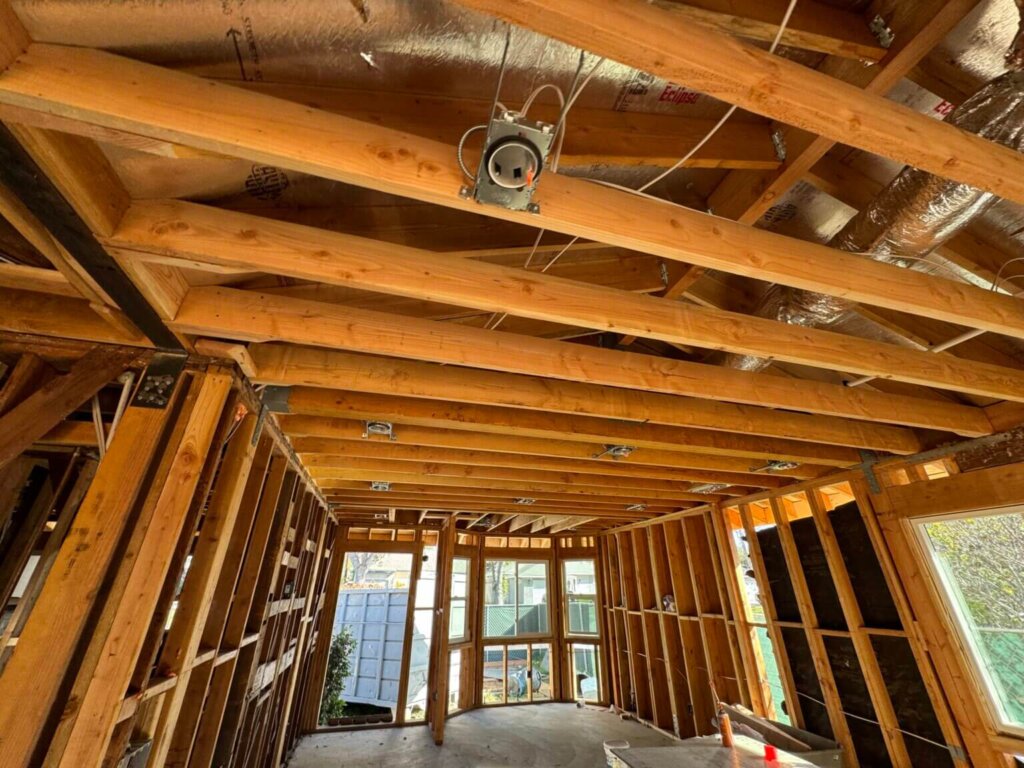
The construction and renovation projects for buildings include building services projects, which create and activate engineering systems that operate inside the building. The operational systems that operate within buildings provide both structural integrity and functional usability. A building exists only as walls, floors, and a roof when it lacks building services.
All occupied buildings need building services to provide their occupants with comfortable conditions and secure environments, electrical power, and proper waste management. A commercial office needs four essential services: temperature control, a dependable power supply, purified water, and operational drainage systems. A restaurant requires four essential systems, which include kitchen ventilation, gas supply, grease management, and lighting systems. A hospital needs medical gas, emergency power, precise temperature control, and infection-control ventilation. Building services engineering creates all of its designs through its design process.
What Does MEP Mean in Construction?
MEP engineering serves as the official name for building services engineering, which operates across the United States. The three main building services disciplines known as MEP include Mechanical systems, Electrical systems, and Plumbing systems. The three systems operate as one integrated system, which architects deliver to building departments through a single set of construction documents.
The field of MEP engineering operates independently from structural and civil engineering because it focuses on building performance rather than structural support and site foundation. MEP deals with how a building performs for the people inside it. MEP systems that receive proper design work stay invisible to building occupants during their entire lifespan. The design faults lead to immediate customer complaints, which then escalate into ongoing financial losses that continue for many years.
The Three Disciplines of MEP Engineering
Mechanical Engineering: The field deals with heating systems, cooling systems, ventilation systems, and exhaust systems. Buildings need mechanical engineering for their HVAC systems, which serve as the primary system to manage indoor environmental conditions and air purification. The mechanical scope consists of specialty systems, which include commercial kitchen hoods, laboratory exhaust, smoke management, and energy recovery ventilators.
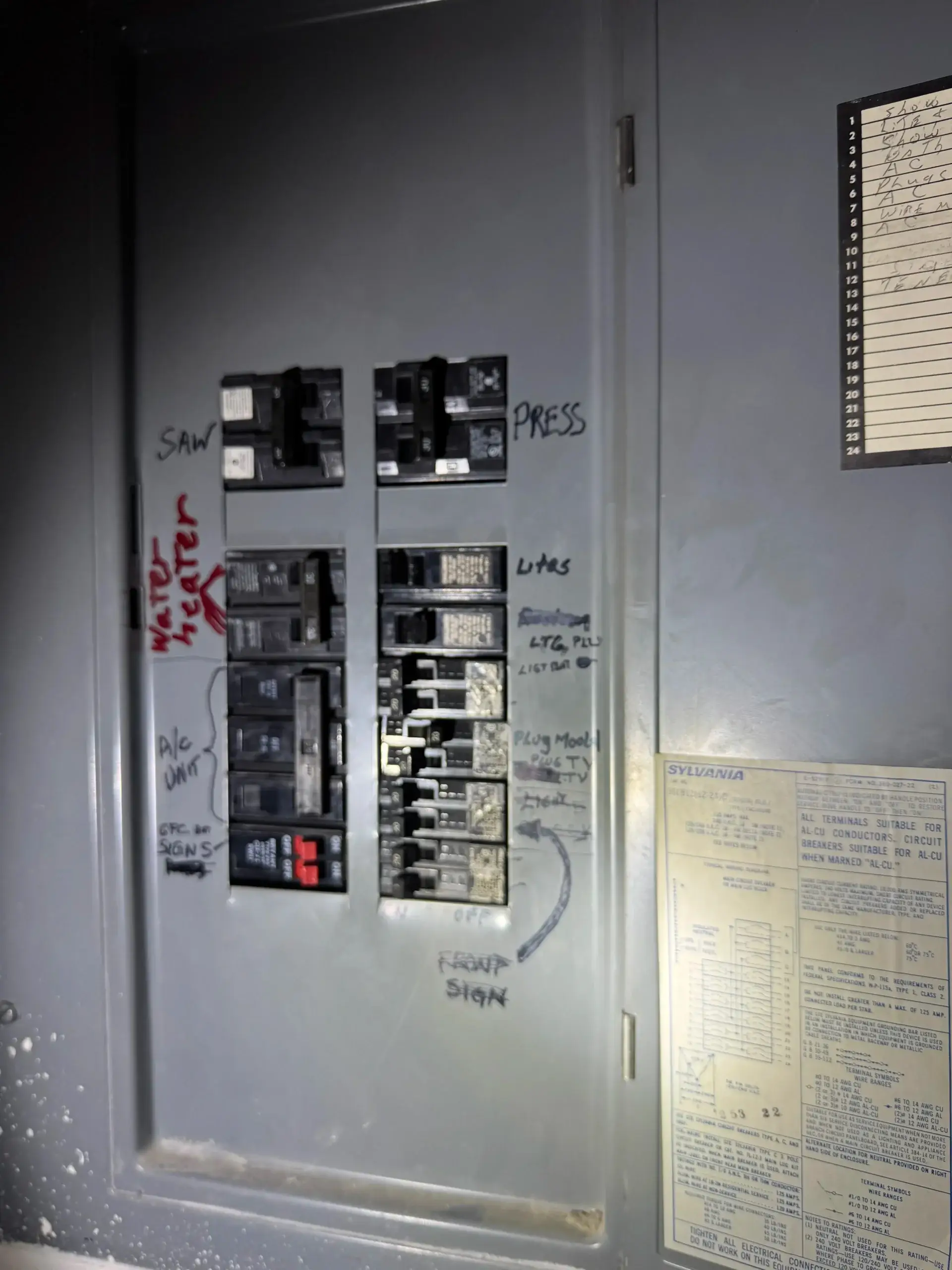
Electrical Engineering: Covers everything powered by electricity in a building. The system requires utility service entry, main switchgear, and distribution panels, and branch circuit wiring and lighting design, emergency and exit systems, and fire alarm infrastructure and power provisions for all mechanical and plumbing equipment. The 2025 California Electrical Code, which follows NEC 2023 standards, governs electrical design practices throughout California.
Plumbing Engineering: Covers the movement of water and gas throughout a building. The plumbing system includes domestic water supply for cold and hot water, sanitary drainage, stormwater management, and natural gas distribution. The field of plumbing engineering includes specialty systems, which consist of grease interceptors for restaurants and medical gas systems for healthcare facilities and process piping systems for industrial facilities.
What Is HVAC in Building Services?
HVAC stands for Heating, Ventilation, and Air Conditioning. MEP engineering includes HVAC as its largest discipline, which contains the most complex systems that affect building occupants the most. HVAC systems maintain building interior temperature control by managing humidity levels, fresh air delivery, and air distribution systems. The HVAC system produces its output every time someone stays inside a building for one hour.
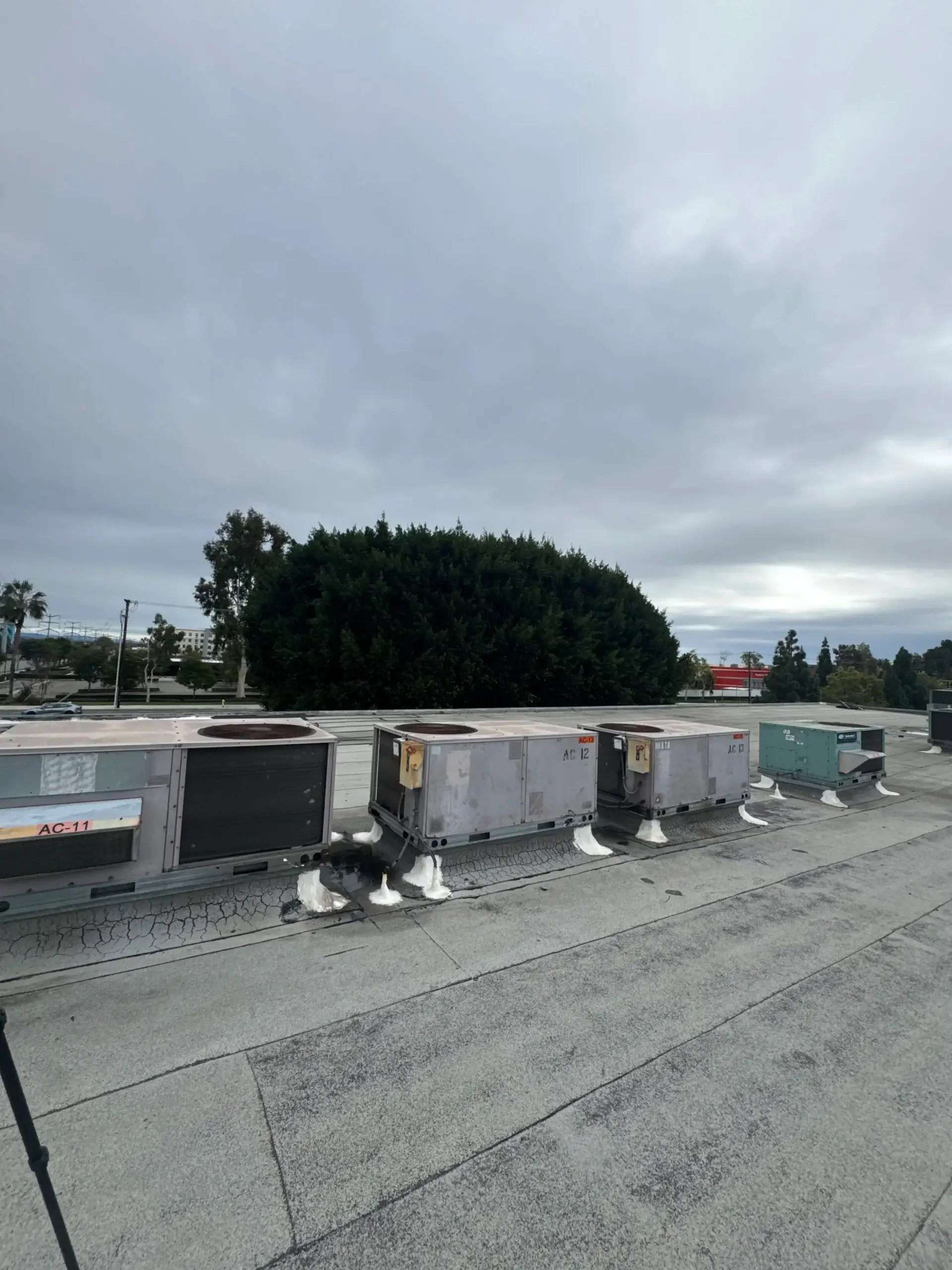
Good HVAC design is invisible. The temperature is comfortable. The air is fresh. There are no drafts, no hot spots, no stuffy corners. The signs of poor HVAC system design become apparent through customer complaints, temperature variations, high power costs, and building department correction notices, which block the building from receiving its certificate of occupancy.
How HVAC Systems Are Sized and Designed
The first step in HVAC design requires engineers to perform load calculations, which determine the exact heating and cooling needs of a building based on its actual environmental conditions. The calculation includes all aspects of floor space, ceiling elevation, building direction, and wall and roof materials, window dimensions, number of occupants, and interior heat production from lights and equipment, and weather conditions of the area.
Commercial load calculations in California operate under ACCA Manual N standards. Residential projects follow Manual J. The engineering calculations produce exact equipment dimensions instead of using estimated figures or general guidelines. The design process needs to follow calculated load requirements because this approach prevents two main HVAC system breakdowns.
- The equipment fails to deliver enough power for maintaining comfort during peak usage times because it has an insufficient capacity.
- The equipment operates with excessive capacity, which causes brief operating times that consume power and result in rapid equipment deterioration.
HVAC System Types Used in Building Services Projects
Rooftop Packaged Units (RTUs) serve as the standard HVAC solution for light commercial buildings, which include retail stores, small offices, and single-story commercial shells. The system provides an affordable solution that requires minimal maintenance while operating effectively in buildings that have their ductwork installed beneath the roof.
The Variable Refrigerant Flow (VRF) Systems operate as multi-zone HVAC systems which provide service to commercial properties and hospitality establishments and mixed-use buildings. The outdoor unit links various indoor fan coil units through separate control systems which operate independently. The VRF system delivers maximum operational efficiency because it enables individual temperature control for each zone which makes it an ideal solution for hotels and office buildings and apartment complexes.
Chilled Water Systems serve as the normal cooling solution which big commercial structures use to maintain their cooling needs for their buildings which include hospitals and universities and government facilities and multi-story offices. The central chiller plant supplies chilled water to the building while it distributes water through air handling units which operate throughout the entire structure. The systems maintain their operational performance when their capacity rises because they enable users to regulate their building’s energy usage.
Split Systems: The workhorse of residential and small commercial construction. The system connects one outdoor condensing unit to an indoor air handler, which provides air conditioning for a single zone. The system operates at a basic level that all people can understand, and it requires minimal upkeep.
The Dedicated Outdoor Air Systems (DOAS) operate at full fresh air capacity while they separate their operation from the system, which controls individual zones. The system delivers improved indoor air quality together with better energy performance, which California commercial buildings now require because ASHRAE 62.1 and Title 24 need exact ventilation control.
California MEP Projects and Title 24
Every MEP project in California must follow Title 24 Part 6 to achieve energy compliance as a required standard. The California Energy Code establishes rules that control HVAC system performance and ventilation requirements, lighting power usage, and water heater operation and building envelope efficiency. All commercial and residential projects in the state need to submit their permit applications together with their compliance documentation.
The 2025 Title 24 standards, which started on January 1, 2026, require buildings to use all-electric systems and must achieve higher equipment efficiency ratings and maintain stricter ventilation control standards. Mechanical engineers who start applying Title 24 requirements during their first equipment selection stage instead of running compliance calculations at the end of design work produce better submittals, which result in fewer correction notices and improved building performance.
Why MEP Coordination Matters on Every Project
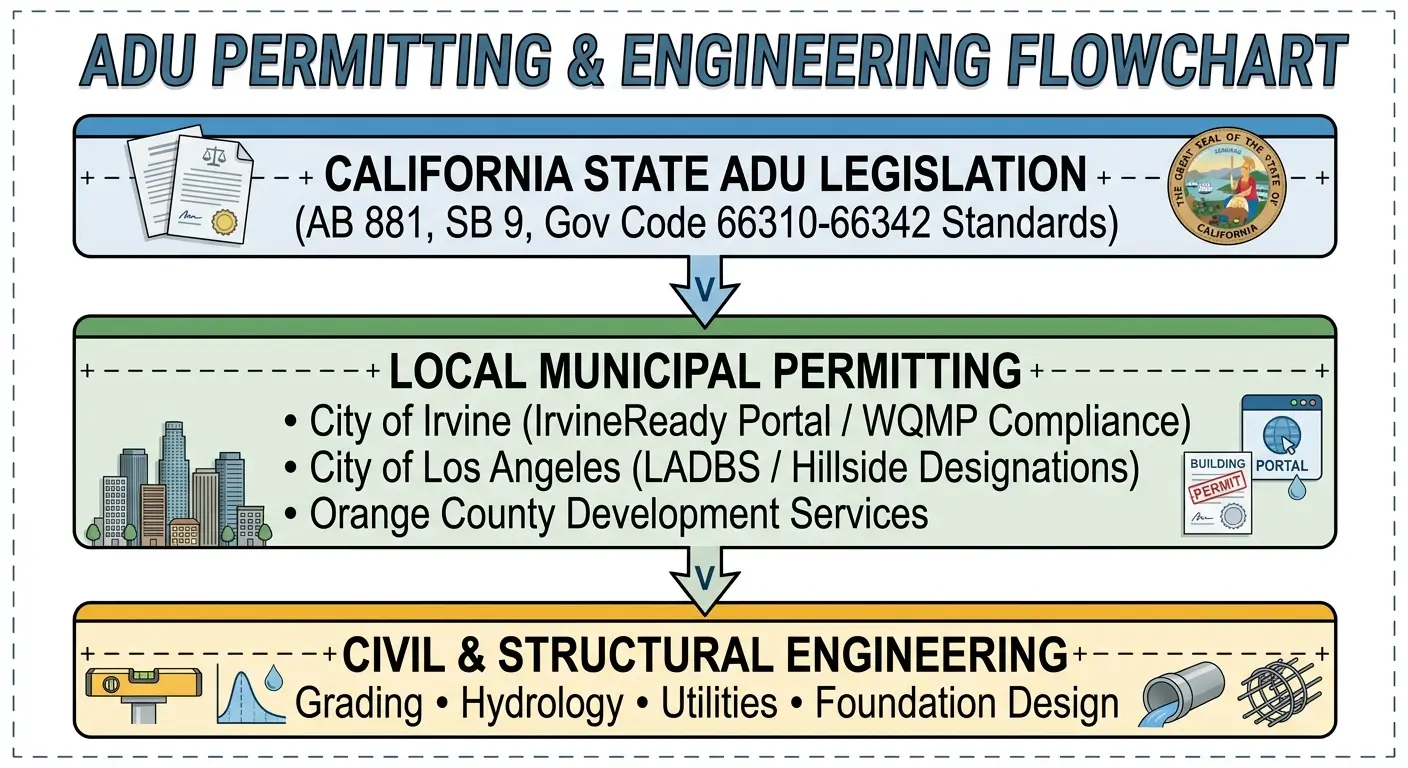
MEP systems operate as separate entities that do not merge together. The installation of rooftop HVAC units needs structural reinforcement and roof openings, which must match the building’s structural framework. Electrical panels need to have their sizes determined based on the power requirements of mechanical equipment. Mechanical heating equipment receives its power through gas lines, which run to the systems. The plumbing system needs to connect with the civil site design for its utility connections.
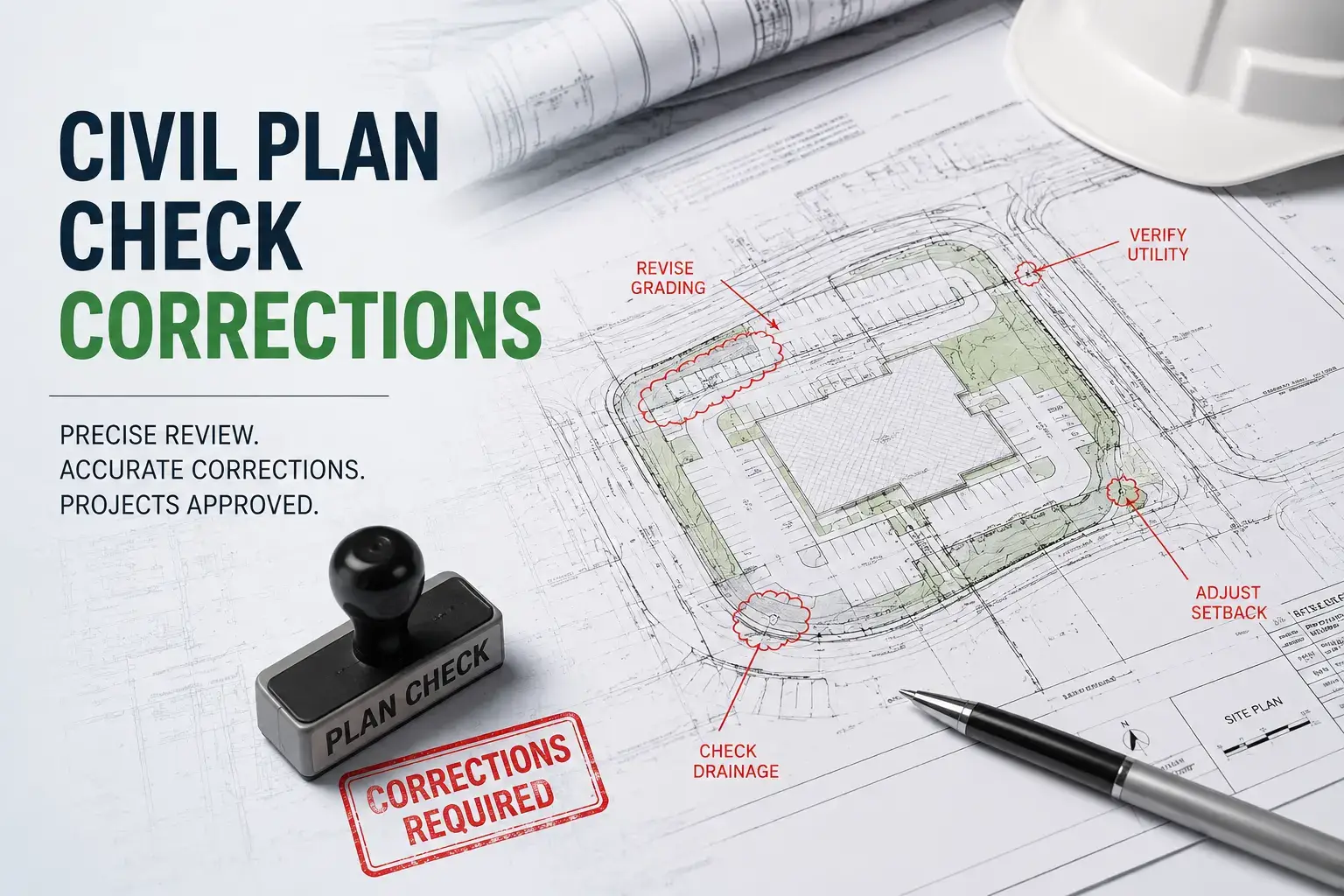
The team of MEP engineers works with structural and civil engineers from the beginning of the project to handle these dependencies through their design work. The construction process faces multiple problems because isolated consultants create conflicts, which result in expensive change orders, delayed schedules, and building department correction notices.
The Value of Getting MEP Right
MEP systems represent 30 to 50 percent of a commercial building’s total construction cost. They drive energy operating costs for the entire life of the building. The system tracks how people in the area feel throughout their daily activities. The building needs to meet all three disciplinary code requirements before it can receive its certificate of occupancy.
The first step of project development needs MEP engineering investment, which should not be treated as a cost to reduce because it delivers the most substantial returns to building owners and developers. Buildings that work well are designed that way. The systems that enable building habitation need the same level of engineering attention as the building’s structural support system.