Construction projects require more than building design work and achieving construction deadlines for their successful completion. The process demands protection of natural resources together with complete adherence to environmental rules and proper supervision of construction locations. The construction industry continues to struggle with BMP definition because they have not yet developed a clear understanding of this particular concept. Best Management Practices (BMPs) serve as vital tools that help decrease pollution levels while protecting construction sites and maintaining environmental standards during building operations.
Construction BMP knowledge benefits contractors, developers, engineers, and property owners because it helps them prevent expensive violations resulting in environmentally friendly projects with improved safety standards.
What Is BMP in Construction?
BMP in construction stands for Best Management Practices. These practical methods together with procedures and structural controls help builders minimize construction activities which damage the environment.
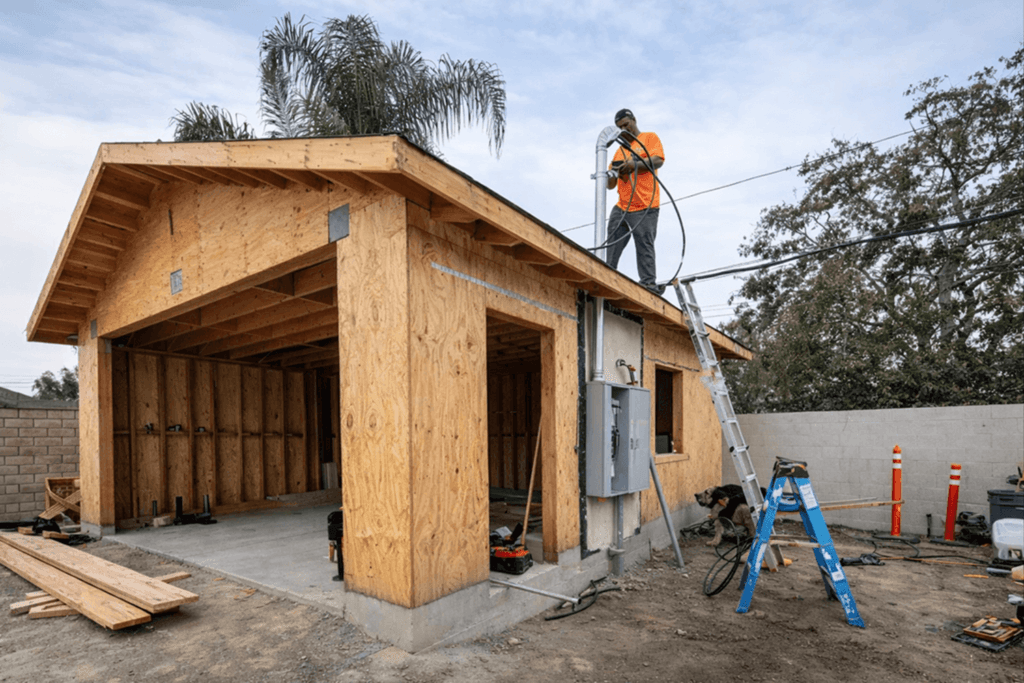
Construction activities on sites result in soil disruption while they generate dust particles and produce waste materials and cause stormwater to flow as runoff. The lack of appropriate management system allows these problems to spread pollution across rivers and lakes and wetlands and public drainage systems. The primary goal of BMPs becomes their implementation to stop these problems from developing into actual problems.
Environmental regulations at local, state, and federal levels require Best Management Practices for all projects which involve any type of land development.
Why Are Best Management Practices Important?
Understanding what is BMP in construction goes beyond knowing the definition. BMPs are essential because they help construction teams:
- Prevent soil erosion
- Control stormwater runoff
- Reduce sediment pollution
- Protect nearby waterways
- Improve job site safety
- Maintain regulatory compliance
- Reduce environmental liability
- Support sustainable construction practices
Implementing BMPs early in a project often saves money by minimizing cleanup costs, preventing fines, and avoiding project delays.
Types of BMPs in Construction
Construction Best Management Practices generally fall into several categories depending on the project’s needs.
Erosion Control BMPs
Erosion occurs when rain or wind removes exposed soil from a construction site. Effective erosion control helps stabilize disturbed areas before soil washes away.
Common erosion control BMPs include:
- Temporary seeding
- Mulching
- Erosion control blankets
- Soil stabilization
- Vegetation preservation
- Hydroseeding
These practices protect the soil until permanent landscaping is installed.
Sediment Control BMPs
While erosion control prevents soil movement, sediment control captures soil that has already become displaced.
Popular sediment control measures include:
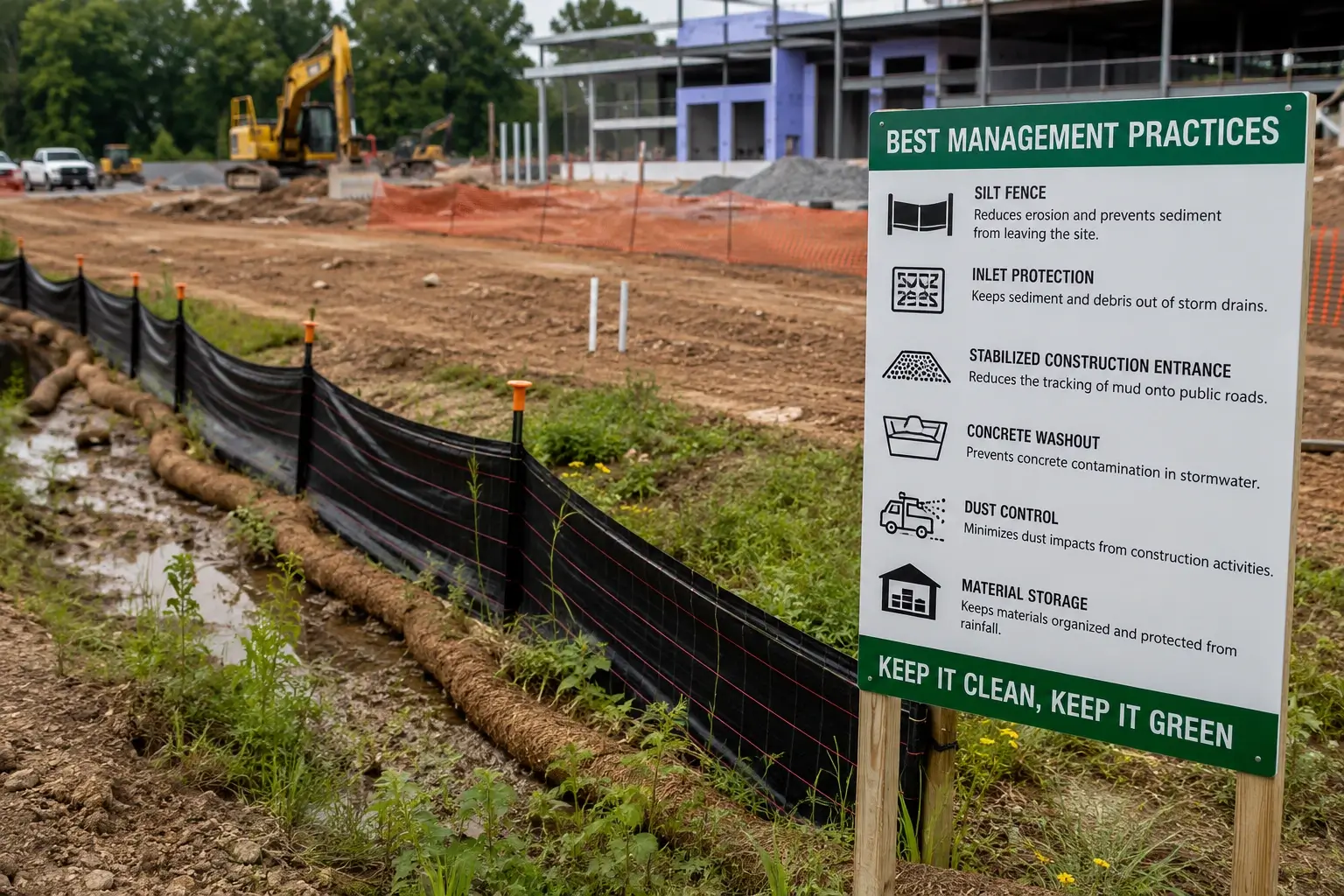
- Silt fences
- Sediment basins
- Sediment traps
- Check dams
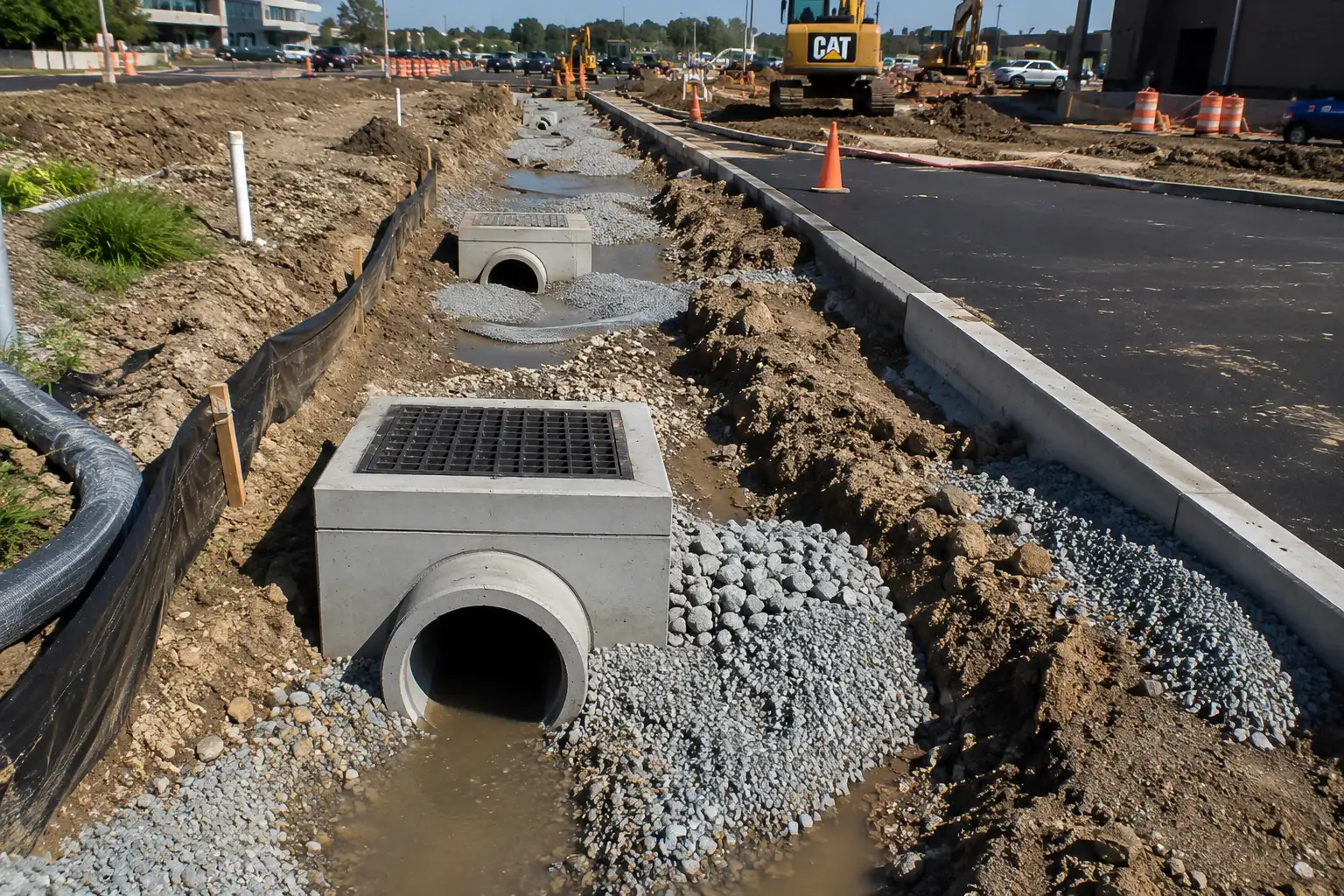
- Inlet protection
- Gravel filter berms
Proper installation and routine maintenance are essential for these systems to remain effective throughout the project.
Stormwater Management BMPs
Stormwater runoff is one of the biggest environmental concerns on construction sites.
Stormwater BMPs help manage rainfall by slowing, filtering, or redirecting runoff before it reaches natural waterways.
Examples include:
- Retention ponds
- Detention basins
- Vegetated swales
- Bioswales
- Rain gardens
- Permeable pavement
- Storm drain protection
These systems reduce flooding while improving water quality.
Pollution Prevention BMPs
Construction activities involve fuel, chemicals, paints, concrete washout, and other materials that can contaminate the environment if handled improperly.
Pollution prevention BMPs include:
- Designated concrete washout areas
- Spill prevention plans
- Secondary containment for fuel tanks
- Covered material storage
- Proper waste disposal
- Hazardous material management
These practices reduce the risk of accidental contamination.
Dust Control BMPs
Construction sites frequently generate airborne dust, especially during excavation and grading.
Dust control practices include:
- Water spraying
- Gravel access roads
- Vehicle speed limits
- Wind barriers
- Covering stockpiles
- Street sweeping
These BMPs improve air quality while protecting nearby communities.
Common BMP Examples Used on Construction Sites
Many construction projects use multiple BMPs simultaneously to address different environmental risks.
Some of the most common examples include:
- Silt fences around disturbed soil
- Construction entrances with crushed stone
- Temporary sediment basins
- Concrete washout stations
- Stabilized slopes
- Drain inlet protection
- Temporary seeding
- Dust suppression systems
- Material storage containment
- Stormwater diversion channels
Each project requires a customized combination of BMPs based on site conditions, soil type, rainfall, and project size.
How BMPs Are Selected for Construction Projects
Choosing the right Best Management Practices depends on several factors.
Construction professionals evaluate:
- Site topography
- Soil characteristics
- Drainage patterns
- Rainfall intensity
- Nearby streams or wetlands
- Construction schedule
- Local environmental regulations
- Size of disturbed land
Environmental engineers and civil engineers often prepare erosion and sediment control plans that identify the BMPs required before construction begins.
BMP Maintenance Is Just as Important
The installation process of BMPs begins with the initial deployment stage.
The construction team needs to perform continuous inspections and maintenance work on these practices throughout the entire project duration. The performance of these systems becomes less effective because of heavy rainfall and equipment operation and continuous digging activities.
The regular inspection process consists of these essential elements:
- Repairing damaged silt fences
- Removing accumulated sediment
- Cleaning storm drain protection
- Replacing erosion blankets
- Stabilizing exposed soil
- Checking spill containment areas
Consistent maintenance helps ensure compliance and protects the surrounding environment.
Regulatory Requirements for Construction BMPs
Many construction projects disturbing one acre or more of land require stormwater permits.
Environmental agencies often require:
- Stormwater Pollution Prevention Plans (SWPPPs)
- Routine site inspections
- Documentation of BMP maintenance
- Corrective actions after inspections
- Compliance with local stormwater regulations
Failure to follow BMP requirements may result in project delays, financial penalties, or legal action.
Working with experienced construction professionals helps ensure all environmental requirements are met.
Benefits of Using BMPs in Construction
Effective Best Management Practices provide long-term value beyond regulatory compliance.
Benefits include:
- Better environmental protection
- Reduced soil erosion
- Improved water quality
- Lower cleanup costs
- Increased worker safety
- Improved public perception
- Reduced risk of fines
- More efficient project management
- Support for sustainable development
Many owners now prioritize contractors with strong environmental management practices because they reduce overall project risk.
Best Practices for Successful BMP Implementation
To maximize effectiveness, construction teams should:
- Plan BMPs before breaking ground.
- Train workers on environmental procedures.
- Inspect BMPs after major storms.
- Repair damaged controls immediately.
- Keep accurate inspection records.
- Adapt BMPs as site conditions change.
- Coordinate environmental compliance with project scheduling.
A proactive approach ensures BMPs continue performing throughout every phase of construction.
Frequently Asked Questions (FAQs)
1. What is BMP in construction?
Best Management Practices (BMP) represent environmental protection techniques which construction teams apply to reduce their impact on nature through erosion control and sediment management and stormwater treatment and pollution prevention.
2. Why are BMPs required on construction sites?
Construction sites need to apply BMPs because these measures help them follow environmental laws while they defend local water bodies and stop environmental contamination and soil degradation and enhance their construction site operations.
3. What are the most common BMPs used in construction?
The standard set of BMPs includes silt fences together with sediment basins and erosion control blankets and storm drain inlet protection systems and concrete washout areas and dust control measures and spill containment systems.
4. Who is responsible for implementing BMPs?
The construction project requires contractors and site supervisors and developers and environmental compliance managers to perform BMP installation and inspection and maintenance duties.
5. How often should construction BMPs be inspected?
The inspection schedule for BMPs requires ongoing monitoring which must happen before and after heavy rainstorms and during construction activities and whenever there are changes in site conditions to keep them working properly.
Conclusion
All modern building projects need people to understand BMP in construction because it remains a vital element for their operations. Best Management Practices protect ecosystems through erosion control and stormwater management and pollution reduction and environmental rule compliance for construction projects.
Best Management Practices (BMPs) establish construction sites which achieve safety standards through their combination of silt fences and sediment basins and spill prevention systems and dust control measures. The systems will achieve their legal requirements when organizations properly plan their installation and do their maintenance work for sustainable building methods and extended project durability.