A property condition assessment (PCA) is a walk-through survey of a commercial property, combined with a review of its documents, that reports the physical deficiencies found and an opinion of what it would cost to fix them. Buyers and lenders use it during due diligence to see the building's roof, structure and mechanical, electrical and plumbing systems before the deal closes.
The common reference is ASTM E2018, the standard guide for baseline property condition assessments. This article follows its 2015 edition, which is the copy we could read. The current edition is E2018-24, so confirm section numbers against it. Checked on November 23, 2026.
The four parts of a baseline PCA
- Document review and interviews. What the owner and the public record say about the building.
- Walk-through survey. What a field observer sees on site.
- Opinions of costs. What it would take to remedy the deficiencies found.
- Property condition report. The written report that puts the first three together.
What gets looked at
The guide lists ten groups of systems for the walk-through:
- Site.
- Structural frame and building envelope.
- Roofing.
- Plumbing.
- Heating.
- Air conditioning and ventilation.
- Electrical.
- Vertical transportation.
- Life safety and fire protection.
- Interior elements.
The target is the physical deficiency: a conspicuous defect, or deferred maintenance, in a material system, component or piece of equipment. Routine maintenance items and minor conditions that are not material are left out.
What a baseline PCA does not do
This is the part worth reading twice. The guide describes the walk-through as not technically exhaustive.
- No testing and no measuring.
- No calculations to judge whether a system is adequate or meets code.
- No exploratory probing, no removing of finishes or materials, and no operating of equipment.
- No warranty of the property's condition or of its code compliance.
The guide also places several subjects outside the baseline scope unless the parties add them: seismic issues, environmental conditions, mold and indoor air quality, and accessibility requirements. If one of these matters to the deal, it has to be written into the scope.
How the cost opinions work
- Two buckets. Costs are split into immediate costs and short-term costs.
- Reporting threshold. In the 2015 edition, cost opinions under $3,000 for like items are left out, unless more than four such items together exceed $10,000. The parties can change the thresholds for a large property, and the report has to say so.
- Safety and code. Material life-safety items and building code violations are included whatever they cost.
- Level of accuracy. The figures are preliminary, order-of-magnitude opinions of construction cost. They are not bids.
Who performs it
The guide names two roles. A field observer conducts the walk-through, and a reviewer reviews the report. One person can fill both. The guide recommends a reviewer with architecture or engineering credentials, and it also states that performing the survey or reviewing the report is not in itself an architectural or engineering service.
That distinction answers a common question: who should review the roof, the structure and the MEP systems? A baseline PCA identifies what is visibly wrong. When a finding needs to be evaluated, such as cracking in the structure, a service that looks undersized for a new use, or equipment near the end of its life in a building you plan to expand, that is engineering work, and it calls for a structural or MEP engineer.
What to hand over before the site visit
The document review is only as good as the documents. The guide lists what the consultant asks for:
- Certificates of occupancy, and any outstanding building or fire code violations.
- Drawings and specifications.
- Records of the age of the major systems, and the history of repair costs.
- Warranties, safety inspection records and prior condition reports.
- Pending proposals or contracts, and planned improvements.
The consultant also sends a questionnaire to the owner's point of contact before the survey.
When to go beyond the baseline
| Your situation | What to add |
|---|---|
| Changing the use or adding load | An MEP evaluation and capacity analysis: what the existing services can carry against what the new use needs. |
| Visible cracking, movement or deflection | A structural assessment by a structural engineer. |
| Planning capital spending over several years | A facility condition assessment with a system inventory and a capital plan. |
| A specific recurring problem | A targeted assessment of that system, with the original drawings compared against field conditions. |
Examples from our projects
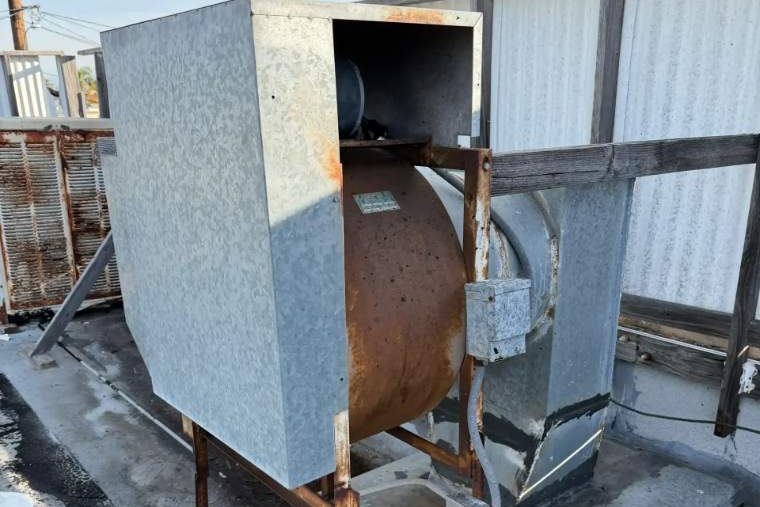
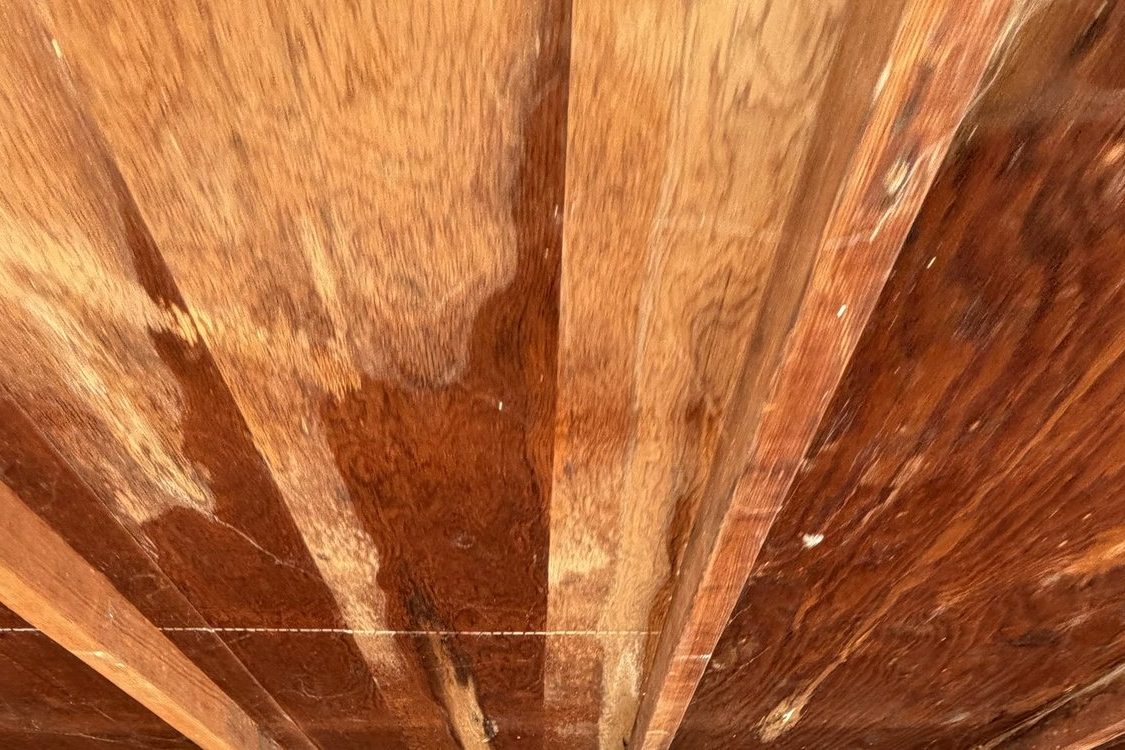
These were targeted assessments, not baseline PCAs. At a three-story self-storage building in Lake Forest, a recurring moisture condition was assessed by reviewing the original permit set against field conditions, verifying the roof exhaust fans and wall louvers, and surveying the insulation, with a findings letter that gave the owner corrective options. At a two-story residential building in Seal Beach, a field assessment of the garage and the floor framing above it came before the MEP design for converting the space.
Common questions
What is a property condition assessment?
A walk-through survey and document review of a commercial property, reported with opinions of cost to remedy the physical deficiencies found.
Who reviews the roof, structure and MEP systems in due diligence?
A PCA consultant's field observer surveys them, and a reviewer checks the report. Findings that need evaluation go to a structural or MEP engineer.
Is a PCA the same as a home inspection?
No. A PCA follows the ASTM guide for commercial real estate and includes a document review and cost opinions.
Does a PCA include seismic risk or environmental issues?
Not in the baseline scope. Both are outside it unless added.
Does a PCA confirm the building meets code?
No. The guide excludes calculations for code compliance, and the consultant does not warrant compliance. Recorded code violations are part of the document review.
What is a property condition report?
The written report that comes out of the assessment.
How we help
We provide building assessments in which the site, the structure, the envelope and the building systems are surveyed in person and the findings are evaluated by structural and MEP engineers, in one report. Where the assessment finds work that needs engineering, the same team can carry it into structural and MEP design.
Sources
Checked November 23, 2026. This article is general information, not advice for a specific property or transaction. The ASTM guide is revised from time to time, so confirm the edition named in your lender's or buyer's requirements.