One firm can handle mechanical, electrical and plumbing engineering under one contract. One person can only do it if that person holds two licenses, because California licenses mechanical engineering and electrical engineering separately, and plumbing design sits inside the mechanical license.
This guide explains how the three disciplines map onto California's engineering licenses, who seals which sheets, where contractors fit, and what to check when one firm takes all three. It is drawn from the Professional Engineers Act and the state licensing board's publications listed at the end, checked on November 23, 2026. It is general information, not legal advice.
Three disciplines, two licenses
The Professional Engineers Act makes civil, electrical and mechanical engineering licensed practices. Anyone who practices or offers to practice one of them has to be licensed in that branch. The Act defines the two branches that matter for MEP this way:
| MEP discipline | License that covers it | What the Act says |
|---|---|---|
| Mechanical (HVAC) | Mechanical engineer | Section 6731.6 defines mechanical engineering to include heating, ventilation and refrigeration. |
| Plumbing | Mechanical engineer | The same section names plumbing as part of mechanical engineering. |
| Electrical | Electrical engineer | Section 6731.5 defines electrical engineering as the generation, transmission and use of electrical energy, including the design of electrical circuits and equipment. |
So the "M" and the "P" can come from one mechanical engineer. The "E" needs an electrical engineer. An individual who holds both licenses can cover all three, and each license is earned and held on its own.
Who seals which sheets
The seal follows responsible charge. The engineer in responsible charge of a piece of work makes the engineering decisions for it, or reviews and approves them, and that engineer's seal, signature and date go on the final documents. On an MEP permit set that usually means the mechanical and plumbing sheets carry a mechanical engineer's seal and the electrical sheets carry an electrical engineer's seal. Where one engineer holds both licenses, one name can appear on all of them.
What the licensing board's guide rules out is the shortcut: an engineer may not seal work that was not done under that engineer's responsible charge, and an unlicensed person may not sign for a licensed one. See who can stamp plans in California.
Where contractors fit
Section 6737.3 of the Act lets a licensed contractor design the electrical or mechanical systems it will install and supervise itself, within its license classification, and prepare shop drawings for its own work. The section says it does not allow a contractor to design work that someone else will install. We cover this in design-build MEP.
Cities then set their own lines for plan check. The City of Calabasas, for example, requires electrical plans to be prepared and stamped by a registered design professional or a licensed electrical contractor where the service is 400 amperes or larger or the available fault current is above 10,000 amperes.
What you gain from one MEP firm
The three systems share the same ceiling, the same roof and the same electrical service, so each discipline's drawings depend on the other two. With one firm, these checks happen inside one office:
- Power for equipment. Every rooftop unit, exhaust fan, water heater and pump on the mechanical and plumbing sheets appears on the electrical sheets, with the same name and the same rating.
- The load calculation. The electrical load is built from the equipment the other two disciplines selected, so a late equipment change reaches the panel schedule.
- The energy forms. The Title 24 certificates of compliance are filled in from the same schedules the drawings show.
- One set of answers. Plan check comments on all three disciplines come back to one team.
What to ask before you hire
- Which engineer will be in responsible charge of each discipline, and in which branch is each one licensed?
- Is the Title 24 documentation part of the scope, or separate?
- Who surveys the existing building, and what will be recorded?
- Are plan check responses included for all three disciplines?
Examples from our projects
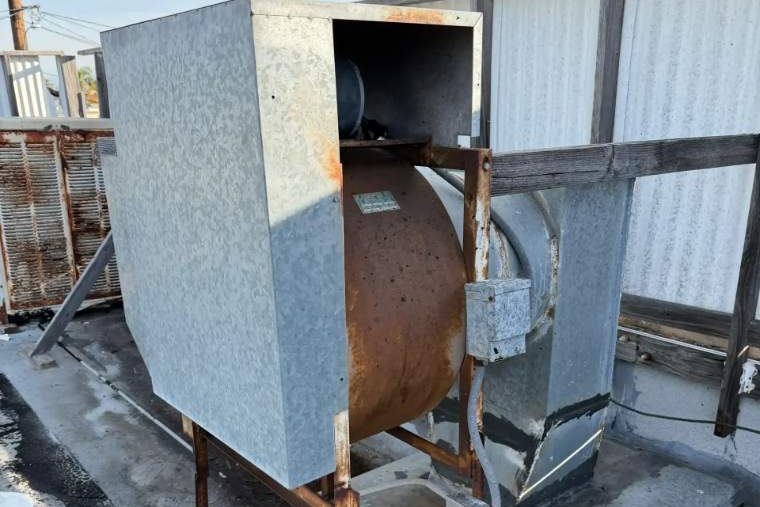
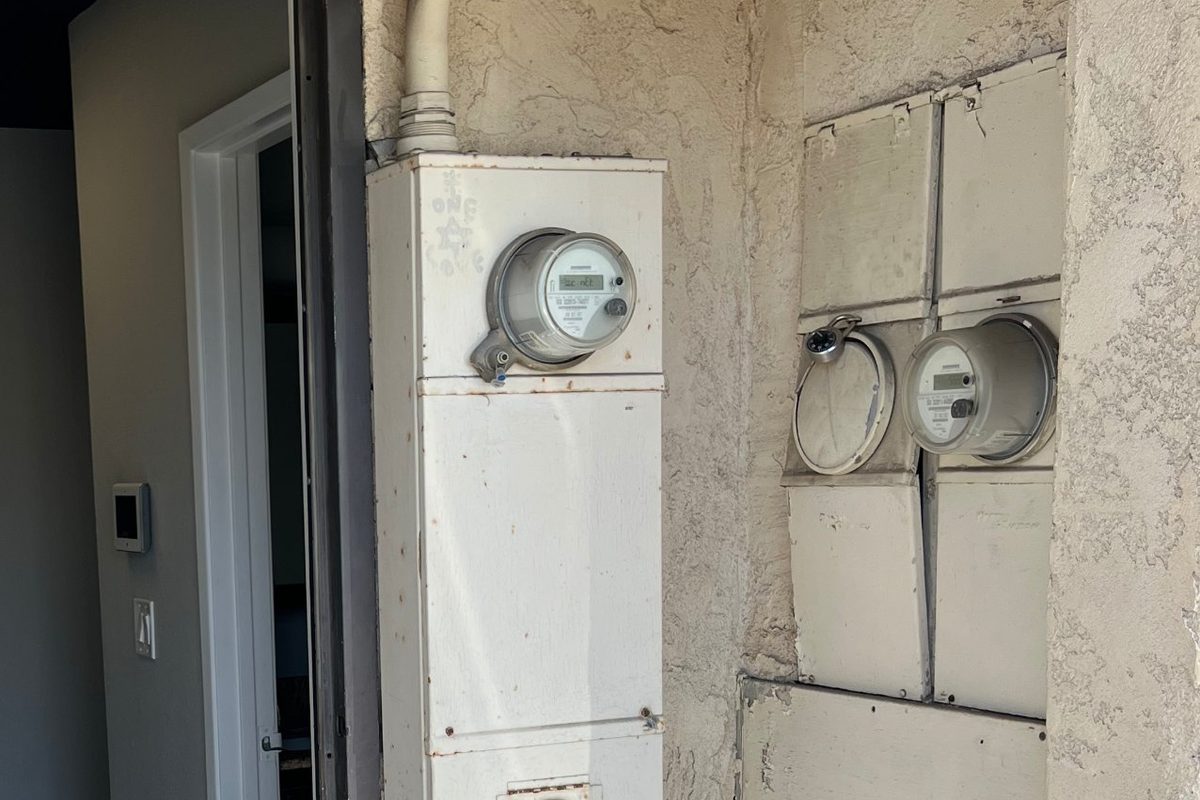
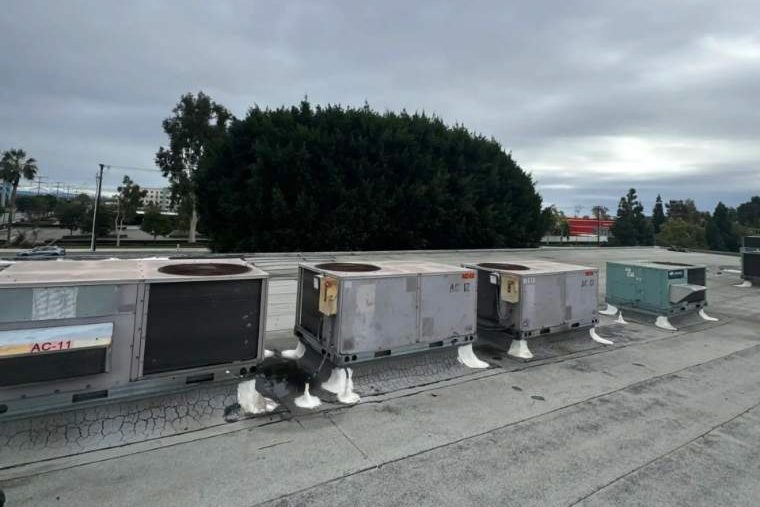
For an office tenant improvement in Los Alamitos, one field survey recorded the ducts above the ceilings, the six electric meters and the panels they feed, and the water and gas services, and the mechanical, electrical and plumbing plans for the permit were all drawn from it. For a commercial kitchen in San Diego, the kitchen exhaust, the new kitchen sub-panel and the plumbing for the sinks and grease trap were designed together.
Common questions
Can one engineer stamp mechanical, electrical and plumbing drawings?
Only an engineer licensed in both mechanical and electrical engineering, and only for work done under that engineer's responsible charge.
Is plumbing a separate engineering license in California?
No. The Professional Engineers Act lists plumbing within mechanical engineering.
Can one company provide all three MEP disciplines?
Yes. An engineering firm can deliver all three under one contract, with each discipline sealed by an engineer licensed for it.
Can a contractor offer all three under one roof?
A contractor may design the electrical or mechanical systems it installs itself, within its license classification. It may not design them for others to install.
Does a civil or structural engineer cover MEP?
The Act treats civil, electrical and mechanical engineering as separate branches. Each requires its own license.
How we help
YA Creative Design Partners provides mechanical, electrical and plumbing engineering together, with the Title 24 compliance documents, as one MEP engineering scope. The firm is licensed and insured. Related reading: what an MEP permit set includes.
Sources
Checked November 23, 2026. This article is general information, not legal advice and not advice for a specific project. Licensing rules change, and building departments apply their own requirements, so confirm them with the licensing board and with the building department that will review your plans.
- California Board for Professional Engineers, Land Surveyors, and Geologists, Professional Engineers Act, 2026 edition, Sections 6730, 6731.5, 6731.6 and 6737.3
- California Board for Professional Engineers, Land Surveyors, and Geologists, Guide to Engineering and Land Surveying for City and County Officials
- City of Calabasas, Electrical Plan Check Submittal Requirements, March 2026