A restaurant tenant improvement in California is reviewed by at least three agencies: the city or county building department, the county environmental health department, and the fire authority. Each reviews a different part of the same drawings, and the restaurant cannot open until all three have signed off.
This guide covers what each agency reviews, the order the approvals run in, and what the engineering set has to carry. The agency steps are from Orange County, Los Angeles County and the other sources listed at the end, checked on November 23, 2026. Other counties run their own process.
The three reviews at a glance
| Agency | What it reviews | What it issues |
|---|---|---|
| Building department | The architectural, structural, mechanical, electrical and plumbing plans and the energy forms. | The building, mechanical, electrical and plumbing permits. |
| County environmental health | The food facility: layout, equipment, sinks, finishes, ventilation and the menu. | Plan approval, then the health permit to operate. |
| Fire authority | The hood and duct fire extinguishing system, and any change to sprinklers or alarms. | The fire system permit and its inspections. |
Environmental health plan check
When it is required. Orange County Environmental Health requires a plan check to build a new food business, to remodel one, to add equipment, or to make a menu change that needs new equipment. Los Angeles County Public Health requires plans before a food facility is built or remodeled, when the operation changes, such as from a limited menu to full service, and whenever the work needs a building permit.
What the plans include. Los Angeles County lists a floor plan with the plumbing, electrical, lighting and equipment details, mechanical exhaust and make-up air plans, a finish schedule for floors, walls and ceilings, a site plan showing waste storage, equipment specification sheets on request, and a copy of the menu. Orange County's list for electronic submittals includes the architectural, interior design, mechanical, electrical and plumbing plans and the seating capacity.
How long review takes. Both counties publish the same figure for the first review: 20 business days from payment. Orange County reviews resubmittals within 10 business days. Los Angeles County offers an expedited review for a fee, subject to staff availability.
Inspections. Orange County asks for a construction inspection when the work is about three-quarters complete, and notes that it can take two to three weeks to schedule a preliminary or final inspection. The final health approval, together with the city and fire approvals, comes before the health permit.
Building department plan check
The building department reviews the tenant improvement like any other, with the restaurant systems added. The engineering sheets that carry most of the review are:
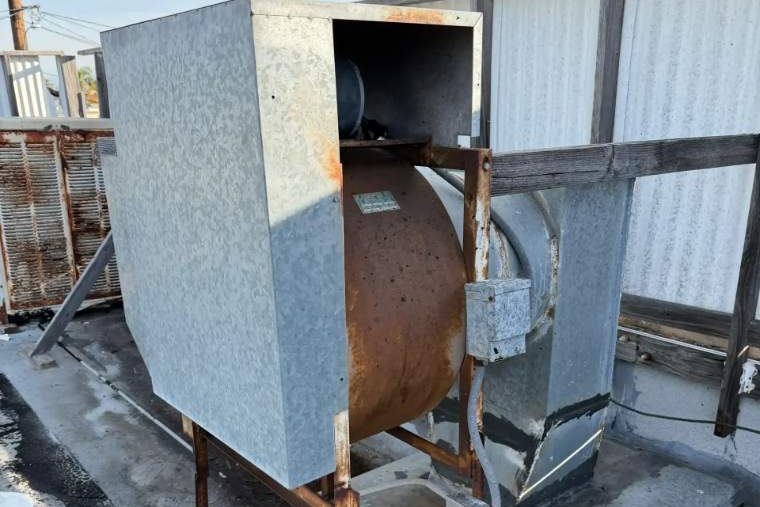
- Mechanical. The kitchen hood, exhaust duct and fan, the make-up air, and the heating and cooling for the dining room and kitchen. See commercial kitchen exhaust and make-up air requirements.
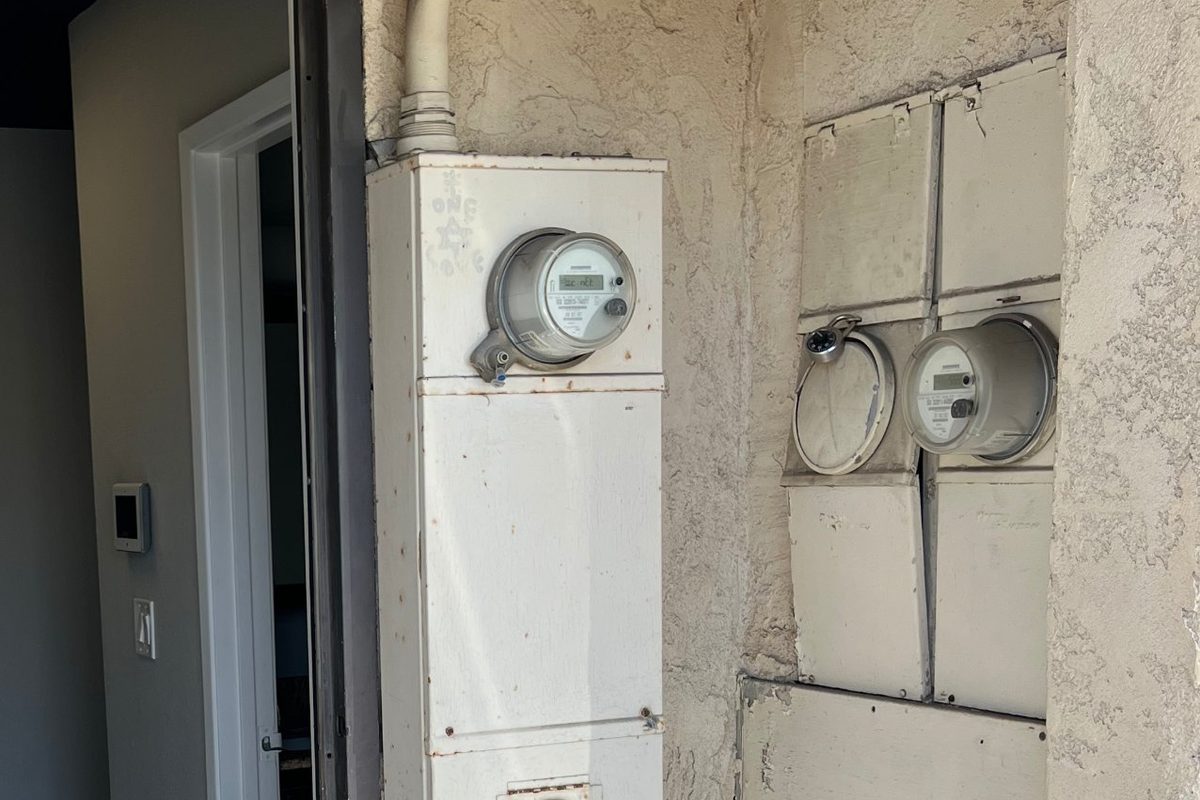
- Electrical. The power for the kitchen equipment, the panel schedules, the load calculation and the single-line diagram, with the lighting and its controls.
- Plumbing. Water, waste and vent, gas, the water heater, the sinks environmental health requires, and the grease interceptor sizing.
- Structural. Support for the hood and for equipment on the roof, and any walls that are altered.
- Energy. The Title 24 certificates of compliance for the mechanical, lighting and electrical systems.
The two reviews overlap. Environmental health looks at the exhaust ventilation and the plumbing fixtures from a food safety side, and the building department looks at the same systems under the building codes. The equipment plan is the thread between them: the equipment the health plans show is the equipment the hood, the gas piping and the panel schedule have to be sized for.
Fire review
The fire extinguishing system in the hood and duct is its own submittal to the fire authority. The San José Fire Department's requirements show how it is sequenced: the mechanical, electrical, plumbing and structural building permits for the hood and duct are approved before the extinguishing system is submitted, and a separate fire alarm permit is needed where the hood system ties into the building alarm. Fire agencies cite the California Fire Code, Chapter 5 of the California Mechanical Code and NFPA 17A and 96 for these systems.
The order of approvals
- Fix the menu and the equipment plan. Everything else is sized from it.
- Submit to environmental health and to the building department. Los Angeles County's steps put health approval first and the building department submittal after it. Orange County's guide has the applicant take a health-approved set to the city. Ask both agencies whether they will review at the same time.
- Answer corrections from each agency. A change made for one has to be carried into the set the other holds. Los Angeles County requires changes to approved plans to go back for health review.
- Submit the hood fire system. In San José, this follows approval of the hood and duct permits.
- Build and inspect. Building, health and fire each inspect.
- Final approvals and the health permit. Los Angeles County states that operating without a final inspection and a valid permit is a misdemeanor.
Examples from our projects
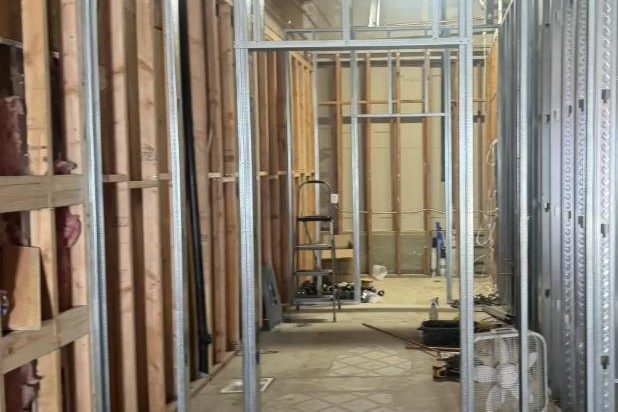
For a restaurant tenant improvement in Costa Mesa, an existing commercial space was converted to restaurant use, and the set covered the kitchen ventilation and exhaust hood, the make-up air, the power for the restaurant equipment, the grease trap sizing and the wall modifications. For a commercial kitchen in San Diego, the plumbing sheets covered the three-compartment, hand, mop and floor sinks, the water heater and the grease trap. For a gelato shop in Los Angeles, the mechanical, electrical and plumbing design was prepared for food service use with the metal stud framing and ceiling support.
Common questions
What permits does a restaurant build-out need?
Building, mechanical, electrical and plumbing permits from the building department, plan approval and a health permit from county environmental health, and a fire permit for the hood extinguishing system. Other licenses, such as a business license, are separate.
Does the health department review come before the building permit?
It depends on the county and the city. Los Angeles County lists health approval before the building department submittal.
How long does health plan check take?
Orange County and Los Angeles County both publish 20 business days for the first review, counted from payment.
Does adding a piece of kitchen equipment need a plan check?
In Orange County, adding new equipment is one of the listed triggers for a health plan check.
Who designs the hood fire suppression system?
It is submitted to the fire authority as its own system, separately from the mechanical plans for the hood and duct.
How we help
We prepare the mechanical, electrical and plumbing engineering for restaurants, with the Title 24 compliance documents and the structural support for the equipment, and we answer the building department's comments on our scope. The health plan check submittal and the hood fire extinguishing system are prepared by others on the project team, and we coordinate our drawings with theirs. Related reading: how to read a panel schedule.
Sources
Checked November 23, 2026. This article is general information, not advice for a specific project. Each county and city runs its own process, and review times change, so confirm them with the agencies that will review your plans.
- County of Orange Health Care Agency, Environmental Health, Plan Check
- County of Orange Environmental Health, Plan Check and Permitting Guide for Food Businesses
- County of Orange Environmental Health, Electronic Plan Submittal for food facilities
- County of Los Angeles Public Health, Construction Requirements for Retail Food Facilities
- San José Fire Department, Plan Submittal Requirements for Commercial Hood and Duct Extinguishing Systems
- City of Placentia, fire extinguishing systems for commercial cooking, citing the 2025 California Fire Code and Mechanical Code