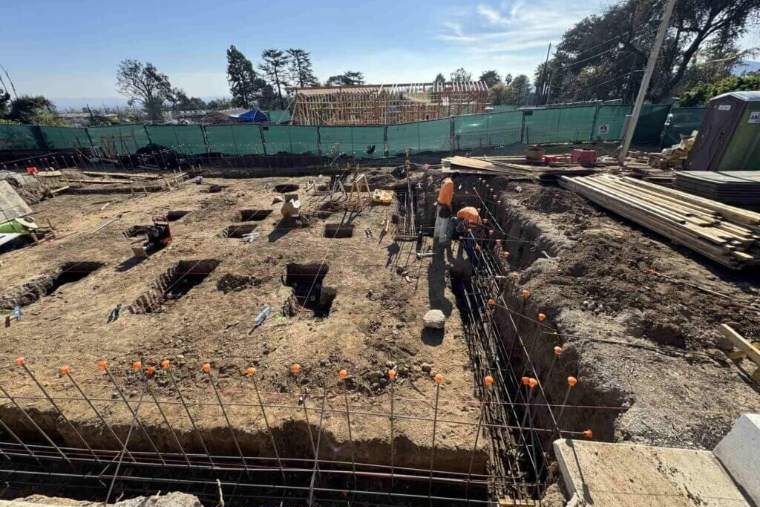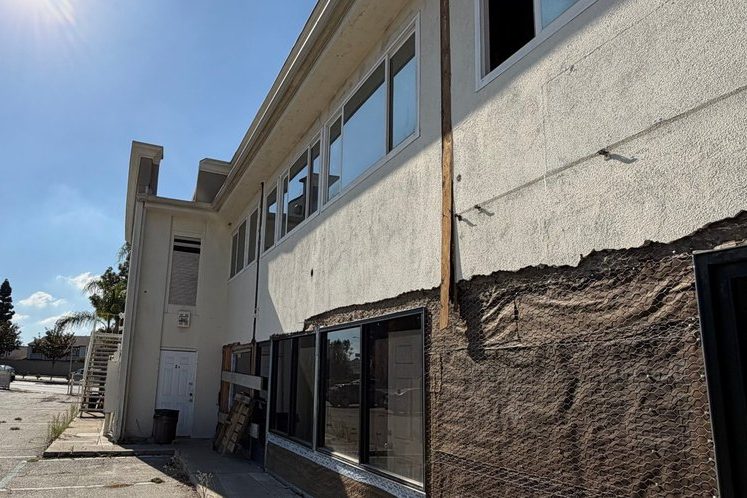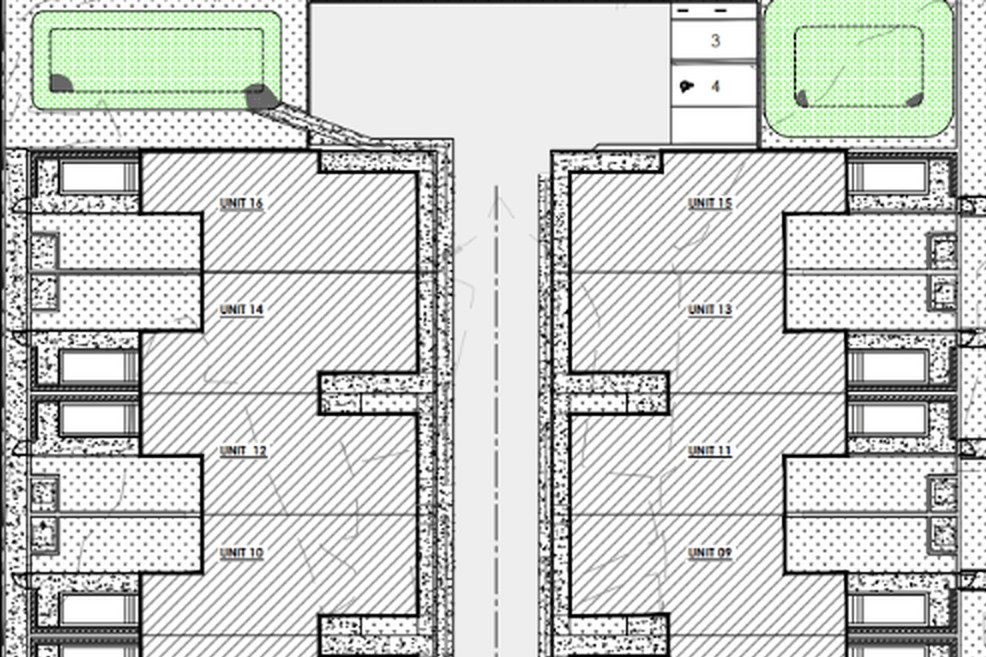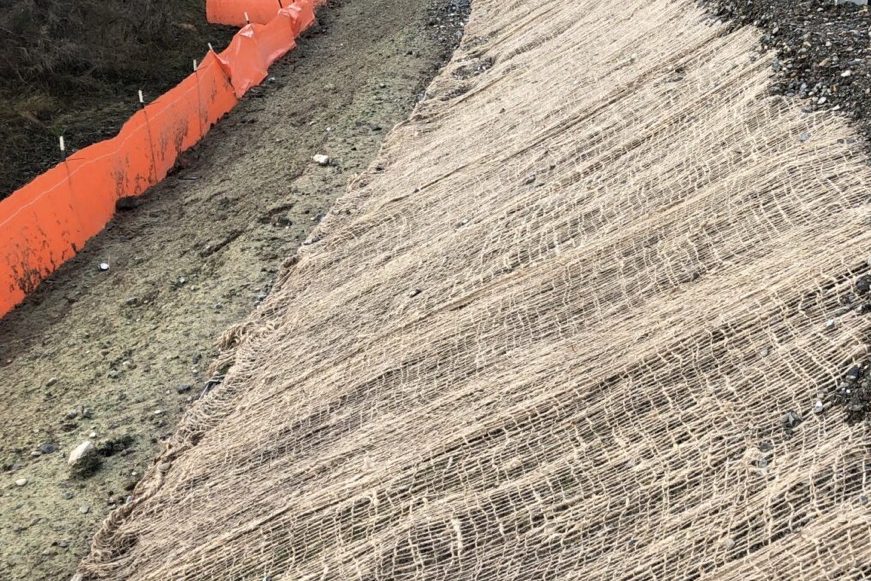
In California, a construction project needs a stormwater pollution prevention plan (SWPPP) when it disturbs one acre or more of land, or when it is part of a larger common plan of development that does. The SWPPP is part of the project's coverage under the statewide Construction Stormwater General Permit, and it has to be developed by a Qualified SWPPP Developer (QSD).
This guide covers which sites need coverage, who can prepare the plan, what is filed with the state, what the permit asks for on site, and what applies below one acre. It was checked on November 23, 2026 against the State Water Board sources listed at the end.
The permit behind the SWPPP
The State Water Resources Control Board adopted the current Construction Stormwater General Permit, Order WQ 2022-0057-DWQ, on September 8, 2022. It took effect on September 1, 2023 and expires on August 31, 2028. A SWPPP is not a stand-alone document. It is one of the documents a project files to obtain coverage under that permit.
Which projects need coverage
- One acre or more. Projects that disturb one acre or more of land need coverage.
- Part of a larger plan. A site under one acre needs coverage if it is part of a common plan of development that totals one acre or more. Local grading and building permits help define the plan. Separate projects at least a quarter mile apart can be treated as separate plans.
- Tract phases. Phases of a tract stay under coverage until construction is complete, including parcels that have been sold.
The State Water Board's guidance lists what does not need coverage: a homeowner building on a private lot under one acre, and small projects such as pools, decks or landscaping that were not part of an earlier local permit. Projects in the Lake Tahoe Hydrologic Unit use a separate permit, and Tribal land is regulated by the U.S. EPA.
The waiver for small sites with little rain erosion risk
A site with one to five acres of disturbance can qualify for the Small Construction Rainfall Erosivity Waiver if its rainfall erosivity factor, the R-factor, is below five. A qualifying site applies through the state's online system and pays a one-time fee. It does not have to meet the SWPPP, sampling, monitoring or post-construction requirements.
Sites under one acre
No state permit does not mean no plan. Cities and counties enforce their own ordinances that keep sediment and pollutants out of the storm drain system, and their grading ordinances typically require an erosion and sediment control plan for projects with a grading permit. The County of Los Angeles, for example, requires an erosion and sediment control plan before permit issuance for grading during the rainy season, which its grading review sheet gives as October 15 to April 15.
The reverse also holds. A local plan check does not approve the SWPPP, and local agencies do not enforce the state permit. The State and Regional Water Boards do.
Who prepares a SWPPP
- Qualified SWPPP Developer (QSD). Develops the SWPPP. A QSD can also perform the duties of a QSP.
- Qualified SWPPP Practitioner (QSP). Implements the plan on site: inspections, sampling and the upkeep of the best management practices. A QSP can delegate tasks to trained staff, and reviews their work.
Certification is available through the California Stormwater Quality Association (CASQA). Licensed professional engineers and geologists can self-certify in the state's system. A QSD or QSP can be an independent contractor. Either way, the State Water Board is clear that the discharger, the party that holds the permit coverage, is ultimately responsible for compliance.
What gets filed, and when coverage starts
The application is made by the Legally Responsible Person: a corporate officer, general partner, proprietor or public agency official with managerial responsibility. That person, or a representative they authorize, files the Permit Registration Documents electronically in SMARTS, the Stormwater Multiple Application and Report Tracking System, before construction begins. The documents are:
- The Notice of Intent.
- The risk assessment.
- Post-construction plans and calculations.
- A site map.
- The SWPPP.
- A signed certification and the first annual fee.
Coverage begins when the system issues a WDID number, which serves as proof of coverage. Local agencies ask for it. The County of Los Angeles grading review sheet calls for a filed Notice of Intent and a WDID number before grading approval on sites that disturb one acre or more.
What the permit asks for on site
- Inspections. Sites at every risk level have weekly inspections and inspections before, during and after qualifying precipitation events. The QSP inspects monthly and before events.
- Qualifying precipitation event. A forecast with at least a 50 percent probability of precipitation and 0.5 inch or more within 24 hours.
- Timing. Pre-event inspections fall within 72 hours before the forecast event. During an event, inspections happen at least once every 24 hours. Post-event inspections fall within 96 hours after an event that accumulates 0.5 inch or more.
- Sampling. Risk Level 2 and Risk Level 3 sites that discharge stormwater have to sample.
The risk level is set for the whole project from start to finish. It is not lowered because mass grading is done.
Ending coverage
Coverage does not end when construction ends. The discharger submits a Notice of Termination in SMARTS, and the Regional Water Board approves it. A notice is approved automatically after 30 calendar days unless the Regional Water Board denies it, returns it or accepts it for review within that time. If the property is sold before construction ends, the seller files a Notice of Termination and the new owner files new registration documents.
Common questions
When is a SWPPP required in California?
When a construction project disturbs one acre or more, or is part of a larger common plan of development that totals one acre or more, and so needs coverage under the Construction Stormwater General Permit.
Who can prepare a SWPPP in California?
A Qualified SWPPP Developer. QSDs are certified through CASQA, or self-certify in the state's system if they are licensed professional engineers or geologists.
What is the difference between a QSD and a QSP?
The QSD develops the SWPPP. The QSP implements it on site. A QSD can do both jobs; a QSP can do only the QSP's.
Does a site under one acre need a SWPPP?
Usually not under the state permit, unless it is part of a larger common plan. The city or county can still require an erosion and sediment control plan with the grading permit.
What is a WDID number?
The identification number the state's system issues when the registration documents are processed. It is the proof of permit coverage.
Does the city approve the SWPPP?
No. The State Water Board's guidance says local review does not approve the SWPPP. Local agencies enforce their own ordinances.
How we help
We prepare SWPPPs with a Qualified SWPPP Developer, together with the grading plan, and erosion and sediment control plans for sites below the state threshold. Send the site plan, the disturbed area and the construction schedule. Related reading: what BMPs are and grading permits in California.
Sources
Checked November 23, 2026. This article is general information, not advice for a specific project. Requirements change over time, so confirm them with the State Water Board, the Regional Water Board and the agency that issues your grading permit.
- California State Water Resources Control Board, Construction Stormwater Program
- State Water Resources Control Board, Construction Stormwater General Permit, Order WQ 2022-0057-DWQ
- State Water Resources Control Board, 2022 Construction Stormwater General Permit, Frequently Asked Questions
- County of Los Angeles Public Works, Grading Review Sheet